
When managing a commercial property, keeping the roof in optimal condition is essential for protecting your investment and ensuring business continuity. A commercial roof inspection is a critical step to identify potential issues before they escalate into costly repairs or replacements. By understanding what professionals look for during an inspection, property managers and owners can make informed decisions and schedule timely maintenance. For comprehensive guidance on maintaining and repairing commercial roofs, check out this detailed resource on commercial roofing.
- Key components professionals evaluate during inspections
- How commercial roof inspections prevent costly damage
- Step-by-step insight into the inspection process
- Common issues and their impact on roof lifespan
- Best practices for ongoing roof maintenance
Why Commercial Roof Inspections Matter
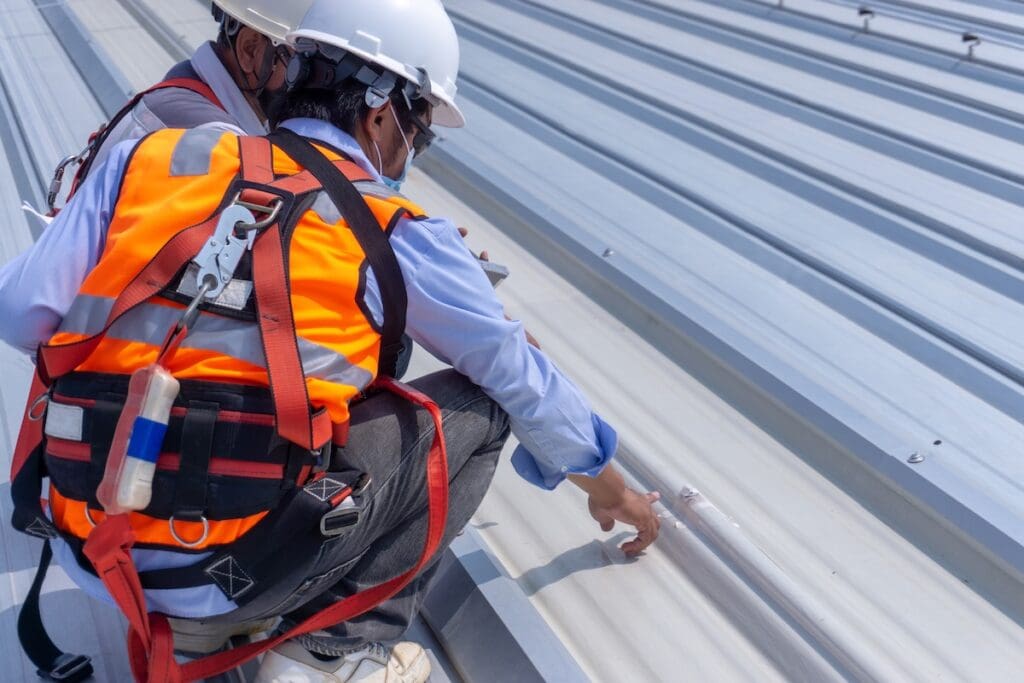
Commercial roofs are subjected to harsh environmental conditions and mechanical wear that can significantly reduce their lifespan if not regularly maintained. A thorough inspection is vital to catch small problems early, preventing leaks and structural damage that could disrupt business operations. Regular inspections also support warranty compliance and insurance claims, safeguarding your financial interests.
- Preventative Maintenance: Identifies minor issues before they escalate
- Compliance Assurance: Ensures roofing warranties and codes are upheld
- Cost Efficiency: Helps avoid expensive emergency repairs
- Longevity: Extends the operational life of your roof
- Safety: Protects employees and assets from hazards
7 Critical Elements Professionals Examine During Commercial Roof Inspections
Understanding the key areas an expert evaluates during a commercial roof inspection will help you appreciate the effort involved and the value it provides. Here are the seven most important things roofing pros look for:
1. Roof Membrane Condition
One of the most crucial components, the roof membrane acts as the primary barrier against water infiltration. Inspectors assess for cracks, blisters, punctures, and seams that may be failing.
- Signs of Damage: Cracks or tears can lead to leaks
- Material Wear: Deterioration due to UV exposure or weather
2. Flashing Integrity
Flashing protects vulnerable areas around vents, skylights, and chimneys. Inspectors check for corrosion, lifts, and loose flashing that could allow water ingress.
- Corrosion Risks: Metal flashings can rust, weakening the seal
- Attachment Issues: Loose or poorly sealed flashing compromises waterproofing
3. Drainage Systems
Proper drainage ensures water does not pool on the roof’s surface, preventing accelerated wear and structural stress. Inspectors verify that drains, gutters, and scuppers are clear and functioning efficiently.
- Clogging Concerns: Debris can block water flow
- Slope and Pitch: Ensures water moves away quickly
4. Insulation and Vapor Barriers
Inspecting insulation involves ensuring it remains dry and effective, as saturated insulation leads to energy loss and potential mold growth. Vapor barriers prevent moisture from penetrating the building envelope.
- Water Entrapment: Damp insulation reduces thermal efficiency
- Barrier Breakdowns: Moisture intrusion often originates here
5. Structural Elements
The roof deck and supports must be sound to maintain the roof’s integrity. Inspections include checking for sagging, corrosion, rust, or deterioration of decking materials.
- Stress Signs: Warping or deflection indicates load issues
- Material Quality: Decay or rust compromises strength
6. Roof Equipment and Penetrations
HVAC units, exhaust vents, and antennas penetrate the roof surface, creating potential leak points. Professionals evaluate the condition of seals and mounts around these elements.
- Seal Condition: Cracked or degraded seals allow leakage
- Mount Stability: Loose equipment stresses roofing materials
7. Visible Signs of Leakage and Staining
Interior and exterior inspections include searching for water stains, mold, or efflorescence, which indicate roof leaks or moisture problems.
- Stain Patterns: Reveal leak origins
- Moisture Damage: Threatens structural integrity and indoor air quality
How a Commercial Roof Inspection Is Performed
Familiarizing yourself with the typical inspection process can help you better prepare your property and understand the resulting reports. Professionals generally follow these systematic steps:
Step 1: Initial Visual Assessment
Inspectors begin with an external overview, often using binoculars or drones to assess the roof’s general condition and detect obvious damage.
Step 2: Close-Up Physical Inspection
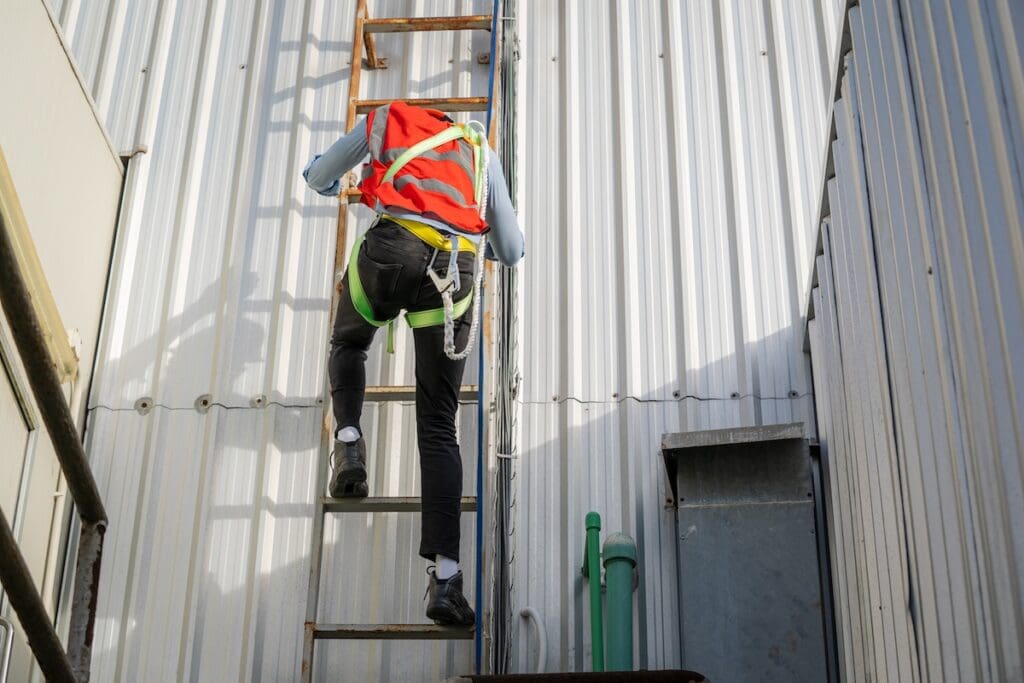
They then access the roof surface safely to perform detailed scrutiny of membranes, flashings, and penetrations.
Step 3: Moisture Detection Testing
Advanced tools like infrared thermography or moisture meters help identify hidden leaks and trapped moisture beneath the surface.
Step 4: Interior Inspection
Inspectors check ceilings, walls, and attic spaces for evidence of water penetration or structural concerns related to roof issues.
Step 5: Documentation and Reporting
The findings are compiled into a report with photographs and prioritized recommendations for repairs or maintenance.
Common Commercial Roof Issues and Their Impact
Understanding typical roof problems and the consequences they pose enables better risk management and budgeting for repairs. Below are some of the most frequently encountered issues during inspections:
- Membrane Tears: Lead to water intrusion and accelerated material degradation if left unaddressed.
- Flashing Failures: Often the root cause of leaks around rooftop equipment and penetrations.
- Standing Water: Increases weight load and promotes membrane deterioration and mold growth.
- Punctures from Foot Traffic: Compromise waterproofing and require prompt repair.
- Thermal Expansion Damage: Causes cracking and separation in roofing materials due to temperature fluctuations.
Each of these issues can significantly reduce roof life expectancy and increase maintenance costs if not promptly and properly managed.
Frequently Asked Questions About Commercial Roof Inspections
Addressing common queries helps clarify the inspection importance and procedures for building owners and managers:
How often should commercial roofs be inspected?
Generally, commercial roofs should be inspected at least twice a year, ideally in the spring and fall, and after any major weather events that could cause damage.
Can inspections extend my roof’s lifespan?
Yes, timely inspections help identify and fix problems early, significantly prolonging the functional life of the roofing system.
What happens if an issue is found during inspection?
The inspector will recommend appropriate repair or maintenance actions, helping you prioritize repairs and plan budgets effectively.
Is there a difference between a commercial and residential roof inspection?
Yes, commercial roof systems are generally more complex, with different materials and larger surface areas, requiring specialized knowledge and tools.
Are the inspection reports useful for insurance purposes?
Absolutely. A thorough inspection report supports insurance claims and helps demonstrate maintenance diligence to insurers.
Taking Proactive Steps for Roof Longevity and Performance
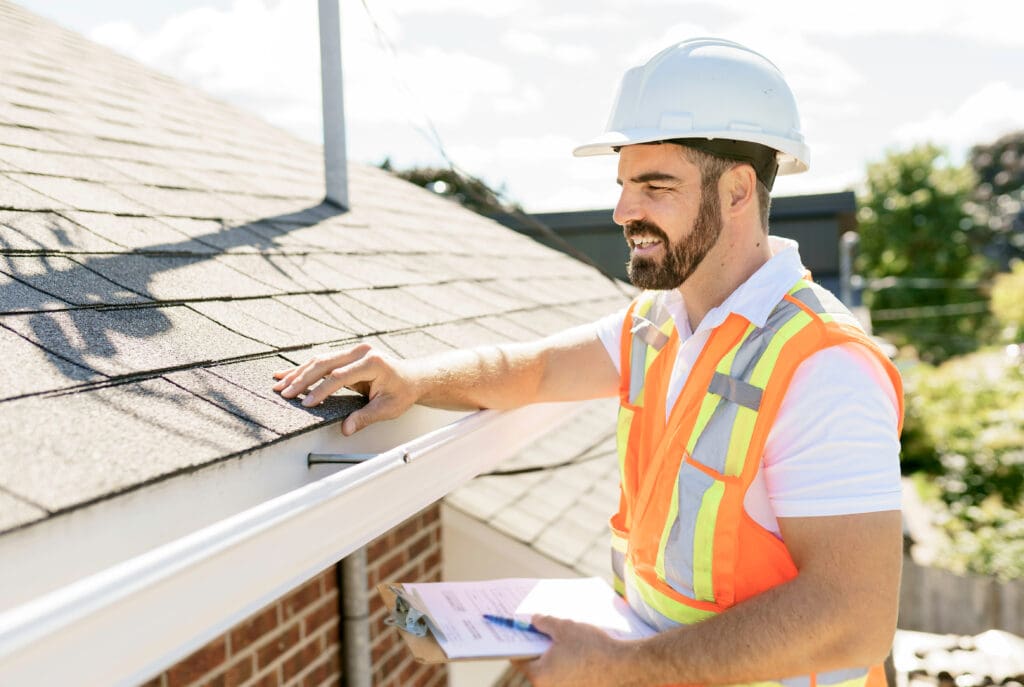
Regular commercial roof inspections are vital for maintaining the safety, efficiency, and durability of your building’s roofing system. They prevent costly surprises and enable strategic planning for repairs and replacements. Routine attention to your roof ensures peace of mind, financial prudence, and optimal building performance.
For professional inspection services and expert advice tailored to your property, contact us today at Weathertite Solutions. Our experienced team is ready to help protect your commercial investment with trusted roofing care.