
Maintaining a sturdy and reliable roof is essential for any business property, making commercial roof maintenance a critical aspect of protecting your investment. A well-executed maintenance plan not only extends the lifespan of your roof but also prevents costly repairs and disruptions to your operations. For businesses looking to safeguard their premises with expert care, exploring professional commercial roofing services offers valuable solutions tailored to your building’s unique needs.
- Understand the importance of regular roof inspections and upkeep
- Learn key steps in designing an effective roof maintenance plan
- Discover cost-saving benefits of proactive roof management
- Explore common issues and how to address them promptly
- Recognize when to involve professional roofing specialists
Why Commercial Roof Maintenance Should Be a Priority
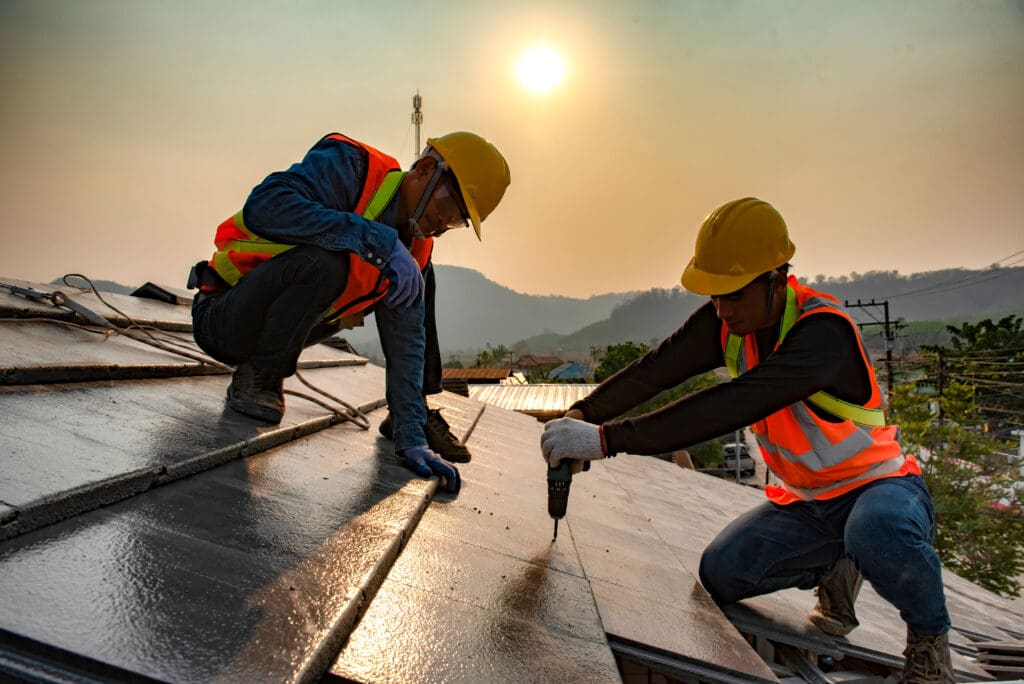
Commercial roofs are subjected to much more wear and tear than residential roofs due to their larger surface areas and exposure to harsh weather conditions. A solid maintenance plan reduces the risk of unexpected leaks, structural damage, and costly emergency repairs, which can interrupt business operations and jeopardize safety.
- Longevity: Proper upkeep extends roof lifespan, reducing replacement frequency.
- Cost Efficiency: Early detection limits expensive damage and major repairs.
- Energy Savings: Well-maintained roofs support better insulation, lowering utility costs.
- Compliance: Many commercial leases and insurance policies require scheduled maintenance.
- Safety: Regular checks prevent hazards linked to water intrusion and material degradation.
5 Essential Steps in a Commercial Roof Maintenance Plan
Developing a comprehensive roof maintenance plan involves a series of strategic actions designed to keep your commercial roof in optimal condition. Below are five vital steps business owners should consider to ensure their roofing system remains robust and reliable.
1. Conduct Routine Roof Inspections
Regular inspections are the foundation of an effective maintenance program. Schedule inspections at least twice a year and after major weather events to identify potential issues early.
- Inspection Checklist: Look for ponding water, damaged membrane, flashing issues, and debris accumulation.
- Documentation: Keep detailed records of inspection results to monitor recurring problems.
2. Clean the Roof Surface and Drainage Systems
Removing debris such as leaves, dirt, and other materials helps prevent blockages and water pooling, which can accelerate roof deterioration.
- Gutter Maintenance: Clear and repair gutters and downspouts to ensure proper drainage.
- Surface Hygiene: Schedule routine cleaning to avoid organic growth and surface damage.
3. Repair Minor Damage Promptly
Addressing small cracks, punctures, or worn sealants early helps avoid escalating problems that could compromise your roof’s integrity.
- Sealant Checks: Replace or reinforce old and cracked sealants around penetrations and seams.
- Patch Repairs: Employ professional materials to mend membrane tears or blisters.
4. Monitor Roof Equipment and Penetrations
Commercial roofs often contain HVAC units, vents, and other equipment that can create vulnerabilities where water might enter if poorly maintained.
- Flashings Inspection: Check flashings around roof penetrations for cracks or loosening.
- Equipment Stability: Ensure rooftop equipment is securely mounted and does not stress the roofing membrane.
5. Schedule Professional Maintenance and Roof Assessments
Partnering with trusted roofing experts for routine service and assessment allows for specialized evaluation and maintenance that maximize your roof’s performance.
- Expert Evaluation: Certified technicians provide detailed condition reports and repair recommendations.
- Preventative Treatments: Professionals apply coatings or treatments to protect and extend your roof’s life.
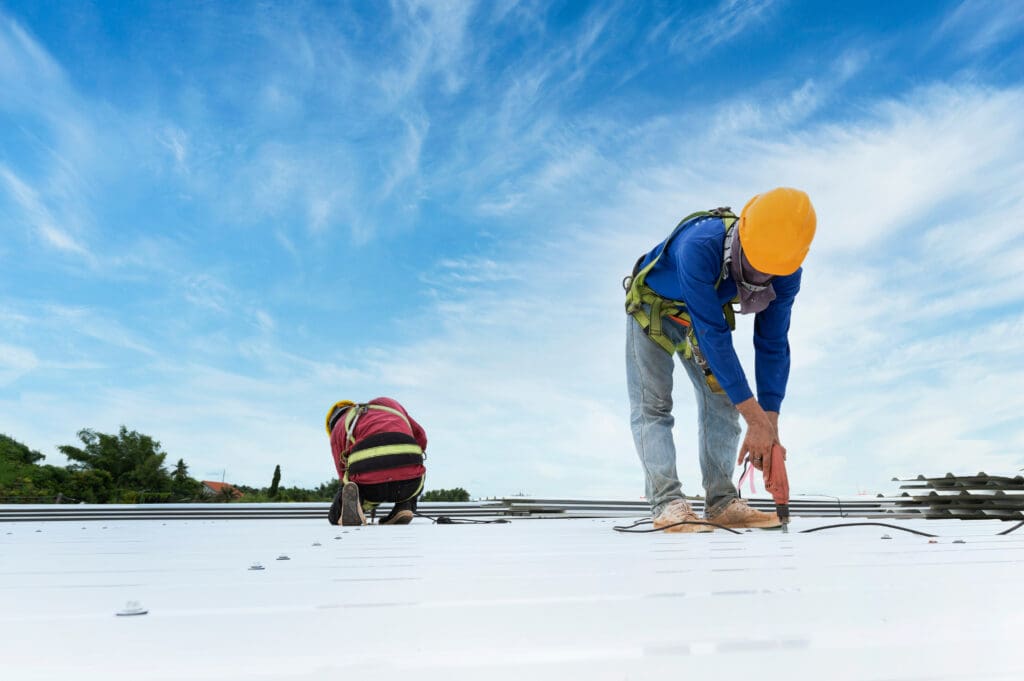
Extending Your Roof’s Lifespan Through Proactive Care
Beyond the initial maintenance steps, ongoing proactive measures are integral to sustainable roof health. Focusing on prevention significantly reduces the risk of serious damage and costly downtime.
- Seasonal Adjustments: Plan maintenance activities based on seasonal weather patterns for maximum effectiveness.
- Utilize Roof Warranties: Adhere to manufacturer requirements to keep warranties valid and secure investment protection.
- Staff Training: Educate onsite personnel about proper roof usage and early warning signs that warrant attention.
Common Commercial Roof Problems and How to Handle Them
Commercial roofs encounter various challenges over time depending on materials, climate, and building use. Being familiar with typical issues empowers business owners to act swiftly and appropriately.
Leaks and Moisture Intrusion
Often caused by punctures, failed sealants, or degraded flashing, leaks can lead to interior damage and mold growth. Immediate repair is essential to limit impact.
Membrane Blisters and Cracks
These defects occur due to trapped moisture or temperature fluctuations. Patch repairs or membrane replacement may be necessary depending on severity.
Ponding Water
Water pooling indicates drainage problems and increases load stress on the roof structure. Improving drainage and regrading may be required to resolve this.
Roof Surface Deterioration
UV rays, chemicals, and physical damage can degrade surface coatings, causing brittleness and leaks. Protective coatings and transparent maintenance help mitigate these effects.
Frequently Asked Questions About Commercial Roof Maintenance
Commercial roofing systems are significant investments, so building owners often have many recurring questions about proper care. This section provides clear, practical answers to help you maintain performance and avoid premature failures.
How often should commercial roofs be inspected?
Industry best practices recommend inspections at least twice a year and after extreme weather events to catch damage early and maintain warranty compliance.
Can routine maintenance prevent the need for a roof replacement?
While maintenance doesn’t eliminate eventual replacement, it significantly extends the roof’s lifespan, delaying costly full replacement for many years.
What types of roofing systems require special maintenance?
Systems like TPO, EPDM, and built-up roofs each have unique maintenance needs. Professional evaluation ensures the correct care approach for each type.
Is DIY roof maintenance advisable?
Basic cleaning and visual inspections are feasible for building managers, but complex repairs and evaluations should be performed by qualified roofing professionals to ensure safety and quality.
Taking the Next Step in Protecting Your Commercial Roof
Investing in a thorough commercial roof maintenance plan is a proactive way to shield your business from avoidable risks and expenses associated with roof failures. With routine care, expert oversight, and timely repairs, you can preserve your building’s integrity and operational continuity. Contact us today at Weathertite Solutions to discuss how our experienced team can tailor a maintenance strategy that fits your commercial property’s needs perfectly.