
Churches are more than buildings. They are community landmarks, gathering places, and symbols of heritage. When the time comes for a church roof replacement, leaders and congregations face a major responsibility: protecting both the structure and its legacy. Choosing the right approach ensures long-term security and peace of mind, whether your church is historic or newly built. For those in Trenton and surrounding areas, understanding the process and anticipating costs helps make informed decisions that benefit your entire community. If you’re preparing for a roof upgrade, you can find helpful details about roofing solutions and what they mean for your property.
What you’ll discover in this guide:
- Why replacing a church roof matters for safety and preservation
- Key steps in the replacement process, from inspection to completion
- How roofing choices affect cost, longevity, and maintenance
- Special considerations for historic or large-scale church roofs
- Practical tips for budgeting and planning your project
Why Is Church Roof Replacement So Important?
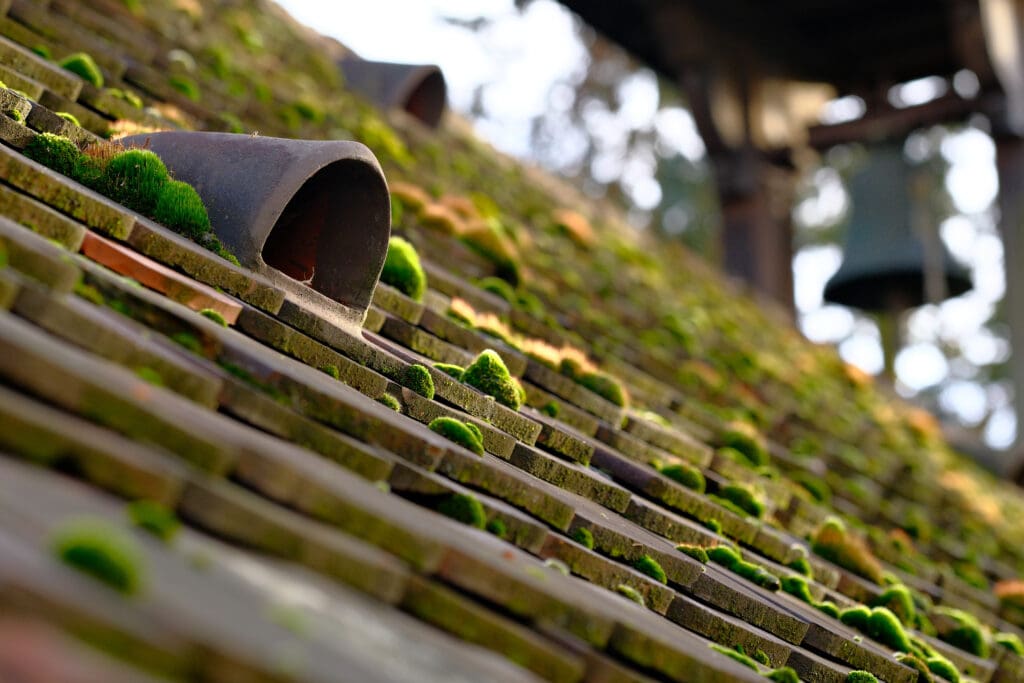
Church roofs serve both practical and symbolic roles. Beyond sheltering worshippers, they protect valuable interiors, historical elements, and even musical instruments. For Trenton and surrounding areas, harsh winters, storms, and changing seasons make a durable roof essential. Here are the main reasons timely replacement is vital:
- Structural Protection: A sound roof prevents leaks, mold, and rot that could damage ceilings, walls, and foundations.
- Safety for the Community: Regular services, events, and gatherings rely on a safe environment free from water intrusion and hazards.
- Preservation of Heritage: Many churches have stained glass, woodwork, or artifacts that must be safeguarded against moisture.
- Energy Efficiency: Modern roofing systems can significantly improve insulation, lowering heating and cooling costs.
- Long-Term Value: Proper replacement extends the lifespan of the entire building, reducing emergency repairs and future expenses.
6 Steps in the Church Roof Replacement Process
Every church roof project has unique aspects, but most follow clear steps. Here’s what to expect for church roof replacement in Trenton and surrounding areas:
1. Comprehensive Inspection and Assessment
A professional inspection evaluates the entire roof, supporting structures, and interior ceilings. This step helps identify leaks, water damage, and any underlying problems. If hidden issues like rot or compromised trusses are discovered, they will need to be addressed before new materials go on.
- Interior and exterior inspection
- Review of previous repair history
- Checking for mold, pests, and water stains
2. Material Selection and Planning
Church roof materials have a major impact on both cost and longevity. Churches may use asphalt shingles, metal panels, slate, clay tile, or even synthetic options. Consider architectural style, maintenance needs, and local climate in your selection.
- Discuss available roofing materials with your contractor
- Weigh pros and cons of each option for your specific building
- Factor in aesthetic and historical requirements
3. Detailed Project Proposal and Budgeting
Your contractor provides a comprehensive proposal outlining scope, timeline, and pricing. This stage is crucial for churches with limited budgets or special fundraising needs.
- Transparent cost breakdown (materials, labor, permits)
- Phasing options for larger properties
- Inclusion of any required upgrades (e.g., insulation, gutters)
4. Scheduling and Preparation
Replacing a church roof can affect worship schedules and community events. Good planning minimizes disruption and keeps the congregation informed.
- Set a project timeline that works around major events
- Prepare site for delivery of materials and equipment
- Communicate the plan to all stakeholders
5. Safe Removal and Installation
Contractors remove the old roof and repair any damaged substrates. This is followed by installation of underlayment, flashing, and the new roofing material.
- Safety protocols for workers and the public
- On-site supervision and daily progress updates
- Special attention to protecting landscaping and property features
6. Inspection, Cleanup, and Final Review
The project concludes with a thorough inspection to ensure all work meets code and quality standards. Cleanup restores the grounds, and a final walkthrough confirms satisfaction.
- Roof and attic inspection for leaks or issues
- Debris removal and site restoration
- Documentation of warranties and future maintenance plans
Factors That Affect Church Roof Replacement Cost
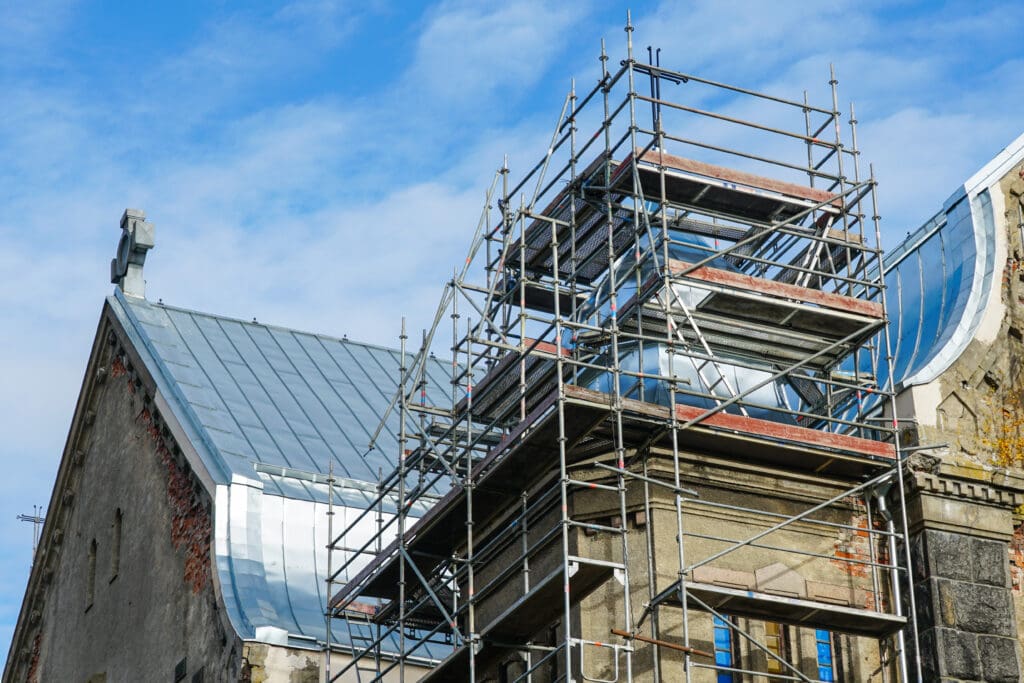
Replacing a church roof is a significant investment. Understanding the cost drivers can help you budget accurately and avoid surprises. For congregations in Trenton and surrounding areas, consider these important factors:
- Roof Size & Complexity: Large sanctuaries, multiple roof sections, or steep slopes increase labor and materials needed.
- Material Choice: Asphalt shingles are generally most affordable, while slate, metal, and tile cost more but may last longer.
- Historic Restoration Needs: Preserving original details or complying with preservation guidelines can increase cost.
- Accessibility: Challenging site access, height, or tight spaces require additional equipment or scaffolding.
- Repairs to Structure: Any underlying deck, truss, or insulation repairs discovered during removal will add to the final bill.
Average Cost Ranges for Church Roof Replacement
| Material Type | Estimated Cost per Sq. Ft. | Typical Lifespan |
| Asphalt Shingle | $4 – $7 | 20–30 years |
| Metal | $8 – $14 | 40–70 years |
| Slate/Tile | $14 – $25 | 50–100+ years |
| Synthetic Options | $8 – $13 | 40–50 years |
Note: These are general estimates for Trenton and surrounding areas. Factors like project complexity, roof size, and specific product choice will influence the final number.
Special Considerations for Historic or Large Church Roofs
Many churches in Trenton and surrounding areas are historic, architecturally complex, or unusually large. These factors require thoughtful planning and the right expertise. Here’s what to keep in mind:
Historic Preservation Requirements
Some churches are designated historic landmarks, requiring special care and possibly approvals from local boards.
- Authentic Materials: Replacement may need to match the original as closely as possible.
- Specialty Contractors: Look for roofers experienced in restoration and preservation.
- Grant Opportunities: Some organizations offer funding for historic repairs.
Unique Architectural Features
Church roofs often have steeples, bell towers, or stained-glass windows that require extra caution.
- Steep slopes and multiple roof planes increase installation complexity.
- Delicate or irreplaceable elements need protection during the process.
- Additional safety planning for elevated or hard-to-reach areas.
Planning for Large or Multi-Building Properties
Some campuses include sanctuaries, parish halls, offices, and classrooms—all with separate roofs.
- Consider phased replacements over multiple seasons.
- Coordinate work to minimize impact on daily operations.
- Larger projects may qualify for volume pricing or custom solutions.
Practical Tips for a Smooth Roof Replacement Project
Proper preparation and communication can make your church roof project far less stressful and more efficient. Here are proven strategies for a smooth process:
- Start Early: Begin planning at least six months in advance, especially if fundraising is needed.
- Involve the Community: Regular updates keep members engaged and can support fundraising efforts.
- Get Multiple Bids: Comparing detailed quotes ensures a fair price and helps identify reputable contractors.
- Check References and Credentials: Choose a roofing company with experience in church and commercial projects in Trenton and surrounding areas.
- Understand Warranties: Ask about product and workmanship warranties for peace of mind.
- Plan for Maintenance: Discuss ongoing maintenance or annual inspections to extend your new roof’s life.
Communication and Scheduling
- Appoint a project liaison or committee to coordinate between the contractor and congregation.
- Work with your roofer to minimize disruptions to services and community programs.
- Schedule updates or site visits for interested members to see progress.
Fundraising and Budgeting
- Communicate needs transparently to encourage giving.
- Explore grants or partnerships with preservation organizations if your church is historic.
- Include contingency funds for unexpected repairs uncovered during removal.
Choosing the Right Contractor for Your Church Roof
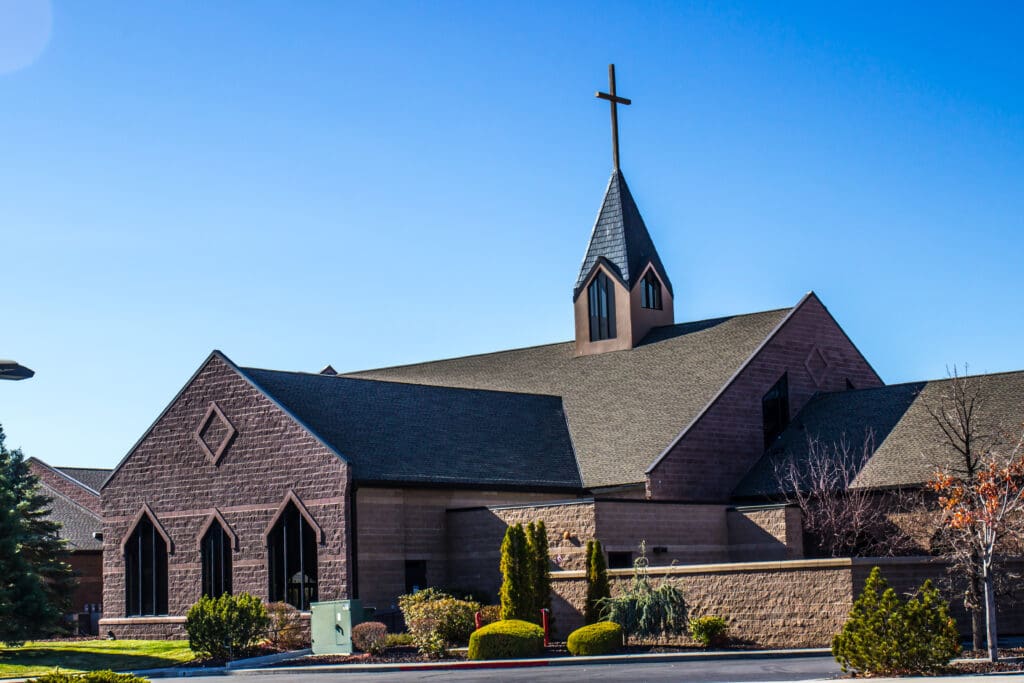
A successful church roof replacement starts with the right partner. The best contractors combine technical skill, local experience, and a proven track record. Here’s what to look for in Trenton and surrounding areas:
- Local Reputation: Contractors familiar with regional weather and building codes provide added peace of mind.
- Expertise with Churches: Unique rooflines, historic requirements, and large-scale projects require specialized skills.
- Clear Communication: Detailed proposals, transparent pricing, and regular updates keep your project on track.
- Insurance & Safety: Confirm that your roofer carries proper insurance and follows all required safety practices.
- Long-Term Support: Look for companies that offer maintenance programs and stand behind their workmanship.
What Sets Weathertite Roofing Solutions Apart?
- Decades of experience with churches and community landmarks
- Commitment to quality craftsmanship and respectful service
- Flexible scheduling and a focus on minimizing disruption
- Expertise in both modern and traditional roofing systems
- Trusted by congregations across Trenton and surrounding areas
Ready to Begin Your Church Roof Replacement?
A successful church roof replacement protects your property, your community, and your heritage for generations to come. Whether you’re planning a simple upgrade or a full restoration, starting with accurate information and trusted guidance is the key to a smooth experience. Weathertite Roofing Solutions is proud to help churches in Trenton and surrounding areas through every stage, from inspection and budgeting to installation and ongoing care.
If you’re ready to discuss your project or want an expert assessment, contact us today for a consultation with Weathertite Roofing Solutions.