
For commercial property owners, making the right roofing choice is essential for safeguarding investments and reducing long-term costs. Among the most time-tested options is the built up roof system—a solution that has proven its reliability for generations. Whether you own a small office or manage a large facility in Morristown and surrounding areas, understanding the details of this system helps you make the best decision for your building’s future. If you’re ready to explore commercial roofing options in more depth, you’ll find valuable guidance for your next project right here.
What you’ll learn in this guide:
- The key components and layers that make up a built-up roof system
- Why property owners continue to trust this classic flat roofing option
- How lifespan, maintenance, and benefits compare to other roof types
- Factors that impact installation and performance
- Practical tips for extending the life of your investment
Why Built-Up Roof Systems Still Matter
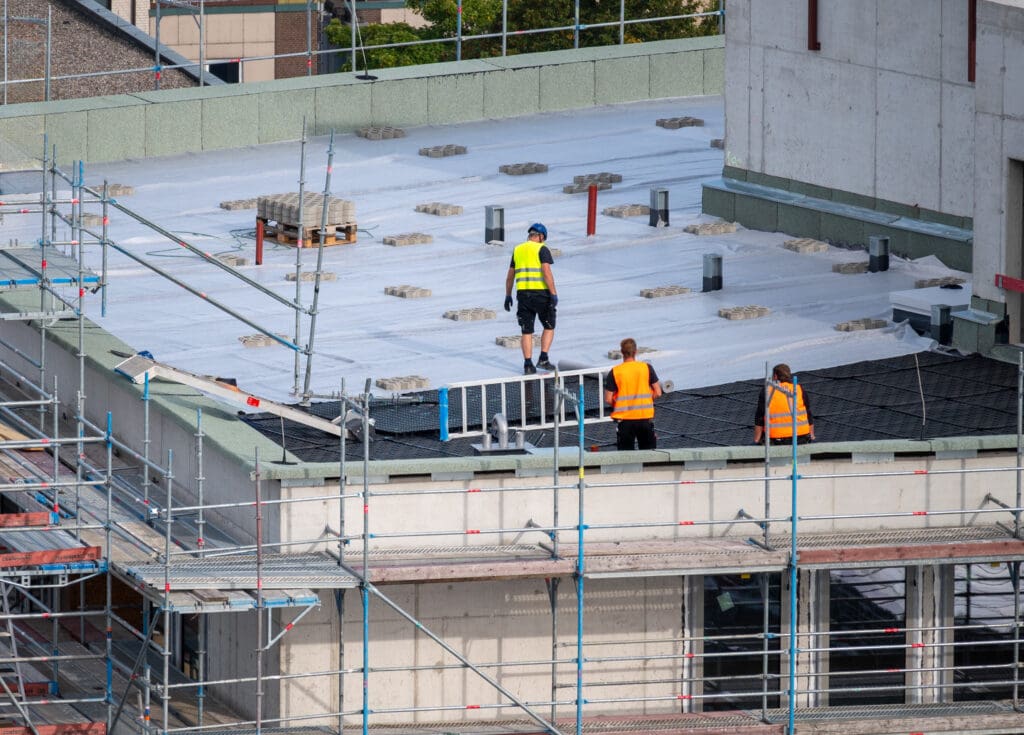
The built-up roof (often called “BUR”) has served commercial buildings for over a century, with proven performance from coast to coast. While modern technologies have added new options, BUR remains a top choice for many properties in Morristown and surrounding areas. Here’s why:
- Unmatched Durability: Multiple layers provide outstanding resistance to weather, foot traffic, and mechanical damage.
- Superior Waterproofing: The alternating bitumen and felt layers create a seamless, watertight barrier.
- Long Service Life: Properly installed and maintained BUR systems regularly last 20–30 years or more.
- Low Maintenance Requirements: Fewer seams and redundancies reduce leak risk and simplify upkeep.
- Versatile Application: Suitable for most low-slope and flat commercial roofs, regardless of size or complexity.
5 Layers and Key Components of a Built-Up Roof
A built-up roof is more than just gravel and tar. Its strength lies in the strategic layering of materials, each serving a vital role. Here’s a breakdown of the standard components you’ll find in most Morristown and surrounding areas installations:
1. Roof Deck
Every BUR system starts with a solid substrate—commonly metal, concrete, or wood. This deck must be clean, dry, and structurally sound, as it supports every layer above.
- Provides structural support for the entire roof system
- Must be evaluated and repaired before installation
2. Vapor Barrier
A vapor barrier (or retarder) is often installed to prevent moisture from inside the building from reaching the insulation and causing condensation problems.
- Reduces risk of trapped moisture and mold
- Particularly important in climates with dramatic temperature swings
3. Insulation Layer
Commercial roofs need to meet strict energy codes. Rigid insulation boards are typically placed above the vapor barrier to increase thermal efficiency and occupant comfort.
- Improves energy performance and helps lower heating/cooling bills
- Common materials include polyisocyanurate, EPS, or XPS boards
4. Ply Sheets and Bitumen
This is the heart of the built-up roof. Alternating layers of reinforcing fabric (often fiberglass or organic felt) and bitumen (asphalt or coal tar) are applied—usually 3–5 plies per system.
- Bitumen is heated and mopped or cold-applied to bond each layer
- Multiple plies offer redundancy, strength, and flexibility
5. Surfacing
The top layer provides UV protection, fire resistance, and additional waterproofing. Most commonly, this is gravel embedded in hot asphalt, but it may also be a mineral cap sheet or reflective coating.
- Protects underlying layers from sun, weather, and foot traffic
- Offers fire and hail resistance for greater peace of mind
Pros & Cons of Built-Up Roof Systems
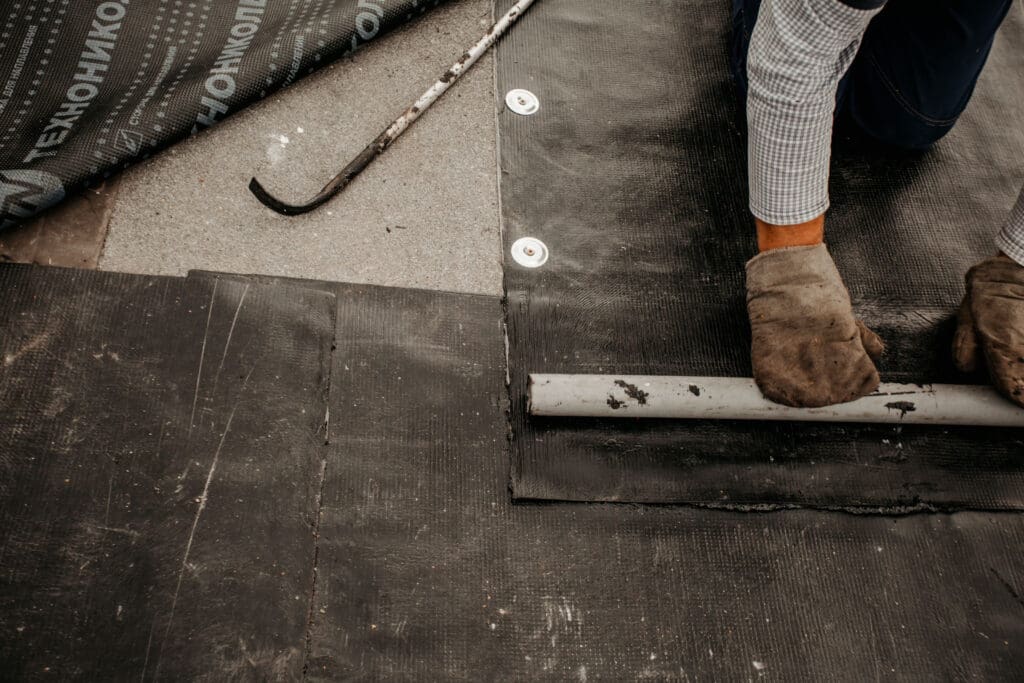
No roofing option is perfect for every property. Here’s how built-up roofs stack up for Morristown and surrounding areas:
- Strength and Durability: BUR’s multi-layer construction means superior resistance to punctures, foot traffic, and even minor structural movement.
- Excellent Waterproofing: Fewer seams and layered design minimize leak risk—especially valuable for flat roofs prone to ponding.
- Long Life Expectancy: With regular inspections and maintenance, 20–30 years of reliable service is the norm.
- Thermal & Fire Performance: Gravel or mineral-surfaced BUR systems offer insulation and class-leading fire ratings.
- Maintenance Simplicity: Routine repairs, such as topping off gravel or patching small cracks, are straightforward.
Potential drawbacks to consider:
- Weight: Built-up roofs are heavier than many alternatives. Older buildings may need reinforcement.
- Installation Time: Layered construction is labor-intensive and often takes longer than single-ply systems.
- Disruption: Hot-applied bitumen can produce odors and fumes, requiring careful scheduling and ventilation.
- Cost: Initial investment may be higher than some newer single-ply options, though longer lifespan often balances this over time.
Comparing Built-Up Roofs to Other Flat Roofing Systems
How does a BUR system measure up against the competition? Here’s a quick side-by-side for Morristown and surrounding areas property owners:
| Feature | Built-Up Roof | EPDM Rubber | TPO Single-Ply | PVC Single-Ply |
| Lifespan | 20–30+ years | 15–25 years | 15–25 years | 20–30 years |
| Waterproofing | Excellent | Good | Good | Excellent |
| Fire Resistance | High | Moderate | High | High |
| Energy Efficiency | Good (with insulation) | Fair | Excellent | Excellent |
| Maintenance | Low | Low–Mod. | Low | Low |
| Weight | High | Low | Low | Low |
| Upfront Cost | Moderate–High | Low–Mod. | Mod. | High |
Steps in Installing a Built-Up Roof
Knowing what to expect can help property owners in Morristown and surrounding areas plan for a successful project:
1. Initial Assessment and Tear-Off
Your roofing contractor will inspect the existing roof and deck, remove old materials as needed, and repair any structural issues. This stage ensures a solid foundation for the new system.
- Full inspection for water damage or deterioration
- Safe disposal of old roofing materials
2. Substrate Preparation
The deck is cleaned, repaired, and primed. A vapor barrier and insulation boards are added to boost energy efficiency and system performance.
- Correcting surface imperfections
- Securing insulation for a smooth, level base
3. Layering of Plies and Bitumen
Multiple layers of felt or fiberglass are alternated with hot or cold bitumen. Each is rolled, mopped, or adhered to create a thick, bonded assembly.
- Standard systems use three to five plies for optimal durability
- Attention to detail ensures seamless coverage and adhesion
4. Surfacing and Final Detailing
The finished assembly is topped with gravel or a mineral cap sheet for UV and fire protection. Edges, flashing, and penetrations are sealed for maximum weather resistance.
- Installing flashing at walls, drains, and roof edges
- Even application of surfacing material to prevent weak spots
5. Quality Control and Cleanup
A thorough inspection ensures your new built-up roof meets manufacturer and code standards. Debris is removed and a maintenance plan is discussed.
- Final check for leaks, blisters, or seam gaps
- Walkthrough with property owner to review warranty and care tips
Extending the Lifespan of Your Built-Up Roof
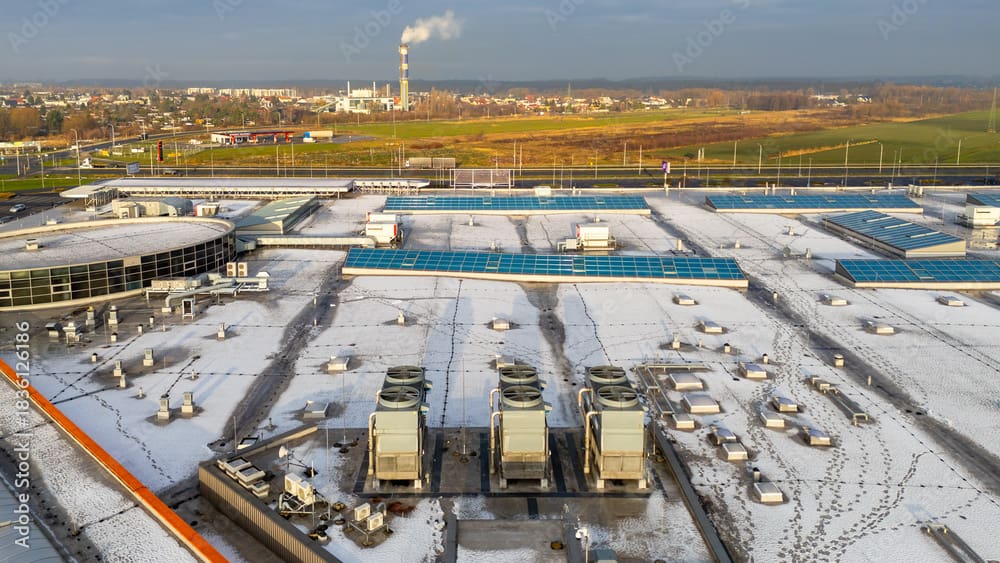
Proper care is essential for getting the most out of your investment. Here’s how Morristown and surrounding areas owners can maximize longevity:
- Regular Inspections: Schedule semi-annual inspections and after major storms to catch issues early.
- Prompt Repairs: Address small splits, blisters, or surface damage before they lead to leaks.
- Keep Drains Clear: Standing water is the enemy of flat roofs. Clear gutters and drains regularly to prevent ponding.
- Monitor for Vegetation: Remove any plant growth, which can compromise the surface or create weak spots.
- Professional Maintenance: Many contractors offer maintenance plans that include inspections, minor repairs, and documentation for warranty purposes.
Is a Built-Up Roof the Right Choice for Your Property?
There’s no single answer that fits every property in Morristown and surrounding areas. Here’s when a built-up roof may be your best bet:
- Buildings with flat or very low-slope roofs where waterproofing and durability are top priorities
- Facilities needing exceptional fire resistance (e.g., schools, warehouses)
- Properties expecting frequent rooftop traffic or equipment installation
- Owners looking for a proven, low-maintenance system with a long track record
Consider alternatives like single-ply membranes (EPDM, TPO, PVC) for projects where weight, speed of installation, or budget constraints take precedence.
Choosing the Right Contractor for Your BUR Project
The quality of your built-up roof system is only as good as the crew installing it. In Morristown and surrounding areas, select a contractor with:
- Extensive experience with BUR systems and flat roof projects
- Proper licensing, insurance, and safety protocols
- Transparent proposals and detailed scope of work
- Clear communication and project scheduling
- Strong local reputation and positive client references
Weathertite Roofing Solutions specializes in commercial roofing projects and can guide you through every stage—from inspection and design to installation and ongoing maintenance.
Ready to Upgrade Your Roof?
A built up roof offers time-tested protection, energy savings, and value for your commercial property in Morristown and surrounding areas. Making an informed decision now pays off for decades to come. For honest advice, detailed assessments, and professional installation, contact us today to schedule your consultation with Weathertite Roofing Solutions.