
For property owners looking to protect their investment without undergoing a full roof replacement, roof coating offers an efficient and cost-effective solution. These coatings serve as a protective barrier against the elements, extending the life of your existing roofing system while improving energy efficiency. Many businesses and homeowners in Hoboken and surrounding areas are choosing this option to preserve flat or low-slope roofing systems. To explore if your roof is a candidate for restoration, take a look at how protective systems like coatings fit into larger roof upgrades.
What you’ll learn in this blog:
- Why roof coating is an essential part of roof maintenance
- The top 5 coating types and how they perform
- Key application considerations before coating your roof
- How coatings compare to other roofing upgrades
- When it makes sense to coat vs. replace
Why Roof Coating Matters for Long-Term Roof Performance
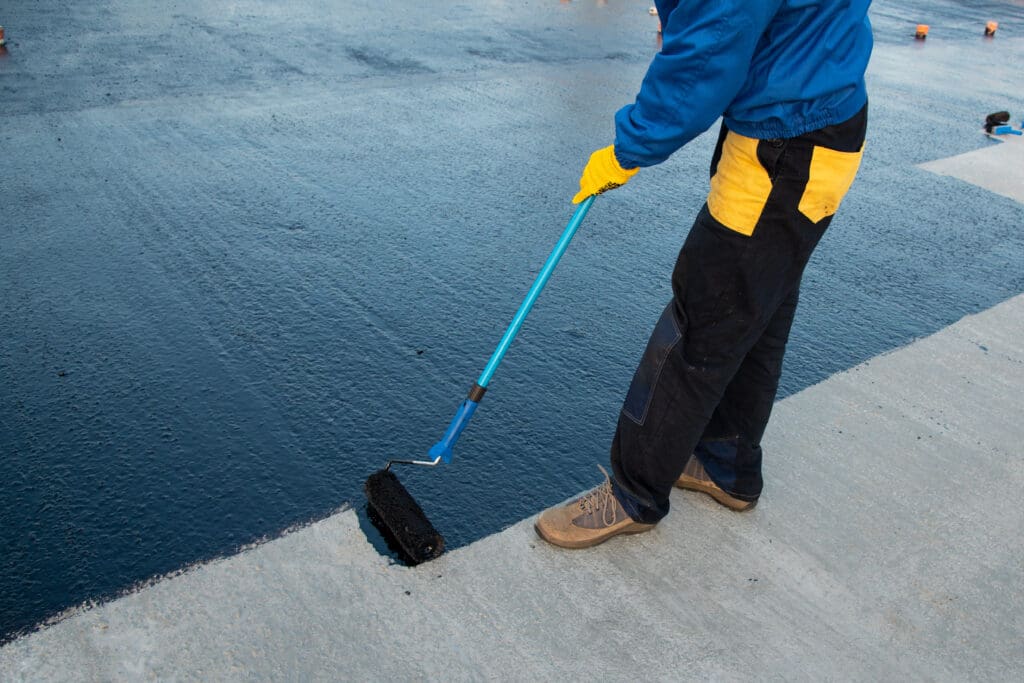
Whether your building has a single-ply membrane, metal, or modified bitumen roof, applying a roof coating can dramatically improve its resilience. Instead of tearing off and replacing the entire system, coatings allow for restoration—preserving your roof and budget in the process. In climates like Hoboken and surrounding areas, where freeze-thaw cycles and UV exposure are frequent, coatings help reduce thermal stress and water infiltration.
- Extended Roof Lifespan: Coatings can add 10–15 years of life to an aging roof with proper application.
- Energy Efficiency: Reflective coatings help lower building temperatures and reduce cooling costs.
- Waterproof Protection: Elastomeric and silicone coatings prevent leaks and resist ponding water.
- Lower Maintenance Costs: By reducing wear, coatings minimize repair frequency over time.
- Environmentally Friendly: Roof restoration reduces landfill waste by preserving the current roof.
5 Common Types of Roof Coating (And When to Use Them)
Roof coatings are not one-size-fits-all. The type you choose should be based on your existing roof material, building location, and performance needs. Below are five of the most widely used options in commercial and residential applications.
1. Acrylic Roof Coating
Acrylic coatings are water-based and highly reflective, making them ideal for hot, sunny regions. They adhere well to a variety of surfaces including metal, modified bitumen, and single-ply membranes.
- Excellent UV resistance
- Easy to apply with brushes, rollers, or sprayers
- Available in white and other reflective colors
- Not suitable for roofs with frequent ponding water
Acrylics are often chosen by Hoboken property managers looking to improve energy efficiency affordably.
2. Silicone Roof Coating
Silicone coatings are best known for their superior water resistance. They hold up extremely well under ponding conditions and provide long-term UV protection.
- Performs well in high-moisture climates
- Single-coat coverage in most applications
- Doesn’t get brittle over time like some coatings
- Can attract dirt more easily, impacting reflectivity
This option is ideal for flat roofs where drainage is a concern and water tends to collect.
3. Polyurethane Roof Coating
Polyurethane comes in two main types: aliphatic (UV resistant) and aromatic (more affordable). These coatings are known for their toughness and abrasion resistance.
- High impact resistance makes it ideal for foot traffic
- Excellent chemical resistance for industrial roofs
- Durable in harsh environments
- Often more expensive and requires multiple coats
It’s a good option for commercial properties with frequent rooftop equipment servicing.
4. Asphalt Emulsion Coating
Made from asphalt, water, and clay, this coating type offers basic protection and is typically used in low-budget restoration projects.
- Very cost-effective
- Helps fill cracks and irregular surfaces
- Offers decent waterproofing
- Lacks UV resistance and reflectivity without a topcoat
Often used as a base layer or temporary solution until more durable coatings can be applied.
5. Rubberized Roof Coating
Rubber-based coatings create a flexible, waterproof membrane that adapts to temperature changes without cracking.
- Ideal for roofs exposed to wide temperature swings
- Bonds well with most roofing substrates
- Resistant to splitting and peeling
- Can be more difficult to apply evenly without experience
This type of coating is gaining traction among Hoboken and surrounding areas property owners wanting flexibility and long-term coverage.
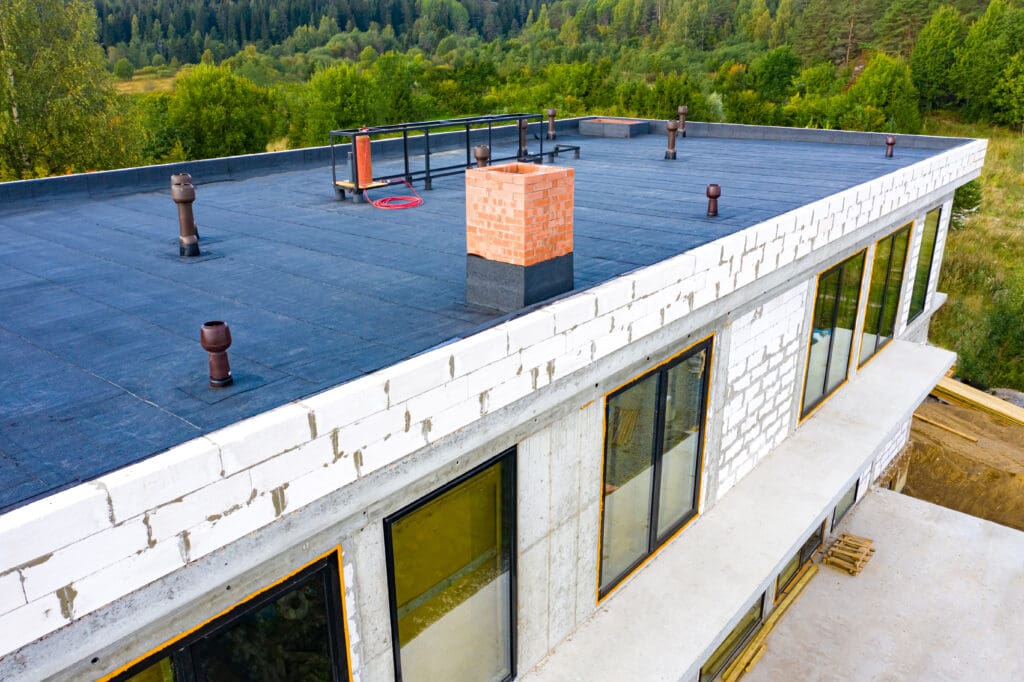
Factors That Affect Roof Coating Performance
While the product you choose is critical, proper surface preparation and application matter just as much. Here are several elements that influence how long and how well your roof coating will perform.
Substrate Compatibility
Not all coatings bond well with every roofing surface. Compatibility is essential to prevent peeling, bubbling, or adhesion failure.
- TPO and PVC may need primers for better bonding
- Metal requires rust treatment prior to coating
- Older roofs may need cleaning and minor repairs first
Weather During Application
Environmental conditions during application can make or break a coating job. Temperature, humidity, and forecast matter.
- Most coatings require dry conditions for 24–48 hours
- Avoid application in extreme heat or freezing temperatures
- Windy days can affect spray applications and cause uneven coverage
Scheduling your coating in the spring or fall is often ideal in Hoboken and surrounding areas.
Application Thickness
Each product has a recommended dry film thickness (DFT). Applying too thin may lead to early failure, while too thick can crack during curing.
- Follow manufacturer specs closely
- Use wet film gauges to ensure consistency
- Multi-coat systems usually include a base and topcoat for durability
Surface Preparation
Skipping cleaning or repairs before application can cause long-term issues.
- Pressure wash or scrub the surface to remove dirt, debris, or algae
- Repair blisters, punctures, and seam issues before coating
- Use primers if recommended by the coating manufacturer
Proper prep ensures the coating bonds effectively and lasts as long as advertised.
Roof Coating vs. Roof Replacement: What’s Right for You?
Sometimes a coating is the perfect solution. Other times, full replacement is necessary. The best approach depends on the condition of your existing roof and your long-term goals.
| Factor | Roof Coating | Roof Replacement |
| Cost | Lower upfront cost | Higher cost due to tear-off & materials |
| Lifespan Extension | 10–15 years (with proper maintenance) | 20–30+ years depending on materials |
| Downtime/Disruption | Minimal | May take several days or weeks |
| Sustainability | Preserves existing materials | May involve more landfill waste |
| Energy Efficiency | High with reflective coatings | Depends on material choice |
| Best For | Aging but repairable flat or low-slope roofs | Severely damaged or outdated roofs |
If your roof is structurally sound but showing surface wear or minor leaks, coating can restore it. For roofs with moisture intrusion, sagging areas, or major deterioration, a replacement is often a better investment.
Is Roof Coating a Good Fit for Hoboken Homes and Businesses?
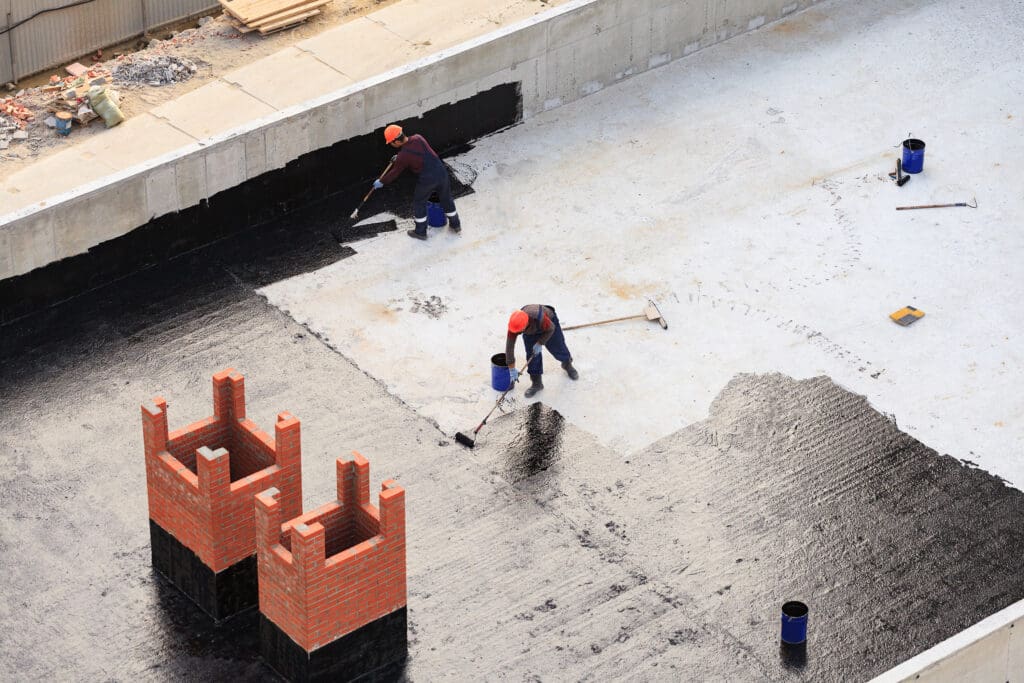
In coastal regions like Hoboken and surrounding areas, the mix of heat, humidity, and storms can age roofs faster than expected. Roof coatings offer a smart way to slow that process down, especially for flat commercial buildings, multifamily structures, and even some modern residential builds.
When to Consider Coating Your Roof
- The roof is 10–20 years old but structurally sound
- Minor leaks are starting to appear near seams or penetrations
- You want to improve energy performance without a full tear-off
- Your roof insulation is in good condition
- You’re planning to sell or refinance and need a low-cost refresh
Buildings That Benefit Most
- Medical offices and clinics
- Shopping plazas and strip malls
- Multifamily apartment buildings
- Schools, churches, and community centers
- Industrial buildings with large flat sections
Roof coating is not a one-size-fits-all fix, but it’s a proven system for many building types in Hoboken and surrounding areas looking to boost performance while avoiding a full overhaul.
Protect Your Roof Without Replacing It
Roof coatings offer a versatile, energy-saving solution that restores aging roofs, prevents leaks, and extends overall service life. With the right product, proper prep, and expert application, coatings can save property owners thousands over time. If your flat or low-slope roof is beginning to show signs of wear, a professional inspection can help you decide whether coating is the right next step.
To get started with a tailored roof assessment or learn more about available coating systems, contact us today to schedule a consultation with Weathertite Solutions.