
If you’re managing a flat or low-slope roof, chances are you’ve come across the term single ply membrane roof. This roofing system has become a favorite for commercial buildings, multi-family properties, and even some modern homes thanks to its cost-effectiveness and durability. Whether you’re considering a roof upgrade or exploring your repair options, understanding this roofing type can help you make smarter decisions for your building in Morristown and surrounding areas. You can also learn more about how this system ties into larger roof restoration solutions by exploring what’s included in our flat roof services.
What you’ll learn in this guide:
- What a single ply membrane roof actually is and how it works
- The main types of membranes and how they differ
- Pros, cons, and application considerations
- How this system compares to other commercial roofing types
- When to repair, recoat, or replace
Why Single Ply Roofing Systems Are So Popular
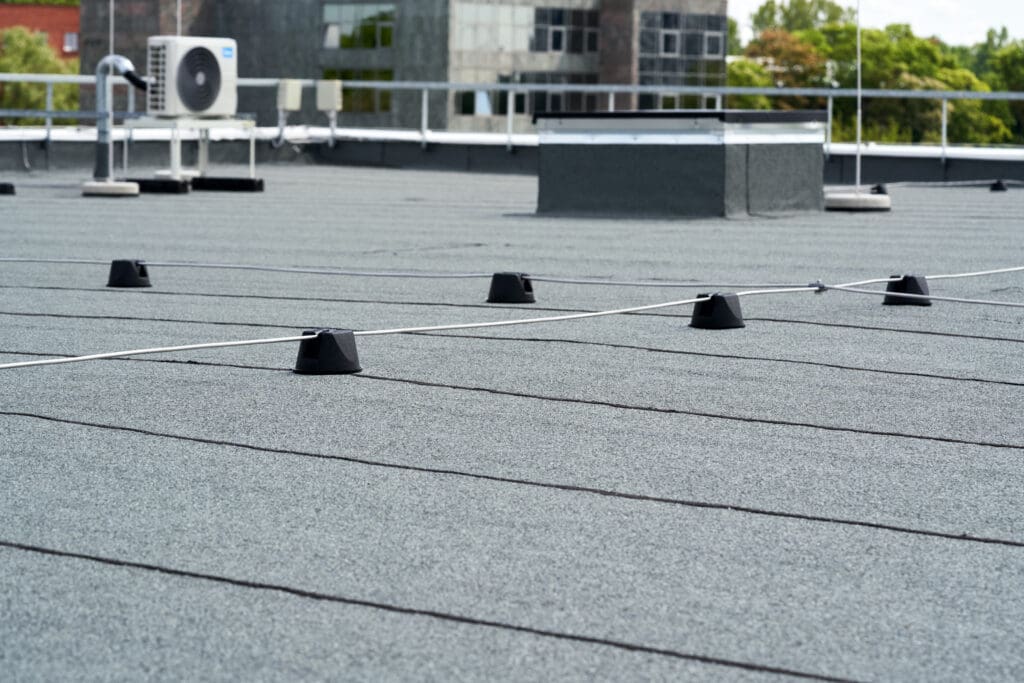
Single ply membranes offer a simple but highly effective solution for flat roofing. Made of durable synthetic materials, these systems are installed in a single layer, often over insulation, creating a waterproof and UV-resistant surface. In places like Morristown and surrounding areas, where temperature swings, snow, and rain take a toll on flat roofs, these systems offer long-term protection with fewer seams and fewer maintenance headaches.
- Cost-Effective Installation: With fewer layers and a straightforward installation process, single ply is often more affordable than built-up roofing.
- Energy Efficiency: Most membranes are highly reflective, reducing cooling costs in the summer months.
- Flexibility Across Roof Types: Works on new construction and retrofit projects for a variety of structures.
- Proven Durability: When properly installed, these membranes last 20–30 years with minimal maintenance.
- Strong Leak Protection: Fewer seams mean fewer weak points for water to get in.
3 Primary Types of Single Ply Membrane Roof Systems
When you hear “single ply,” it’s not just one product—it’s a category. Below are the three major types of membranes used on buildings across the country, including many in Morristown and surrounding areas.
1. TPO (Thermoplastic Polyolefin)
TPO is currently the most popular single ply material in the U.S. It’s a white, reflective membrane that performs well in both residential and commercial applications.
- Highly resistant to UV rays and ozone
- Heat-welded seams for watertight installation
- Ideal for energy-conscious property owners
- Often backed by long-term manufacturer warranties
TPO is the go-to choice for those wanting a strong balance of price, durability, and energy performance.
2. EPDM (Ethylene Propylene Diene Monomer)
Also called “rubber roofing,” EPDM is a black membrane known for its flexibility and resistance to weathering.
- Works well in colder climates due to its flexibility
- Easy to install and repair with adhesives or tapes
- Cost-effective for large commercial roofs
- Available in thicker rolls for added durability
While it doesn’t offer the reflectivity of white membranes, it performs well in areas where insulation does the heavy lifting for temperature control.
3. PVC (Polyvinyl Chloride)
PVC membranes are similar to TPO in appearance but differ in chemical makeup and performance.
- Superior resistance to chemicals and oils
- Heat-welded seams provide strong leak protection
- More expensive than TPO or EPDM
- Sometimes reinforced with fiberglass for extra strength
PVC is a strong option for restaurants, factories, and other buildings where grease or chemical exposure is common.
Benefits and Challenges of Single Ply Membranes
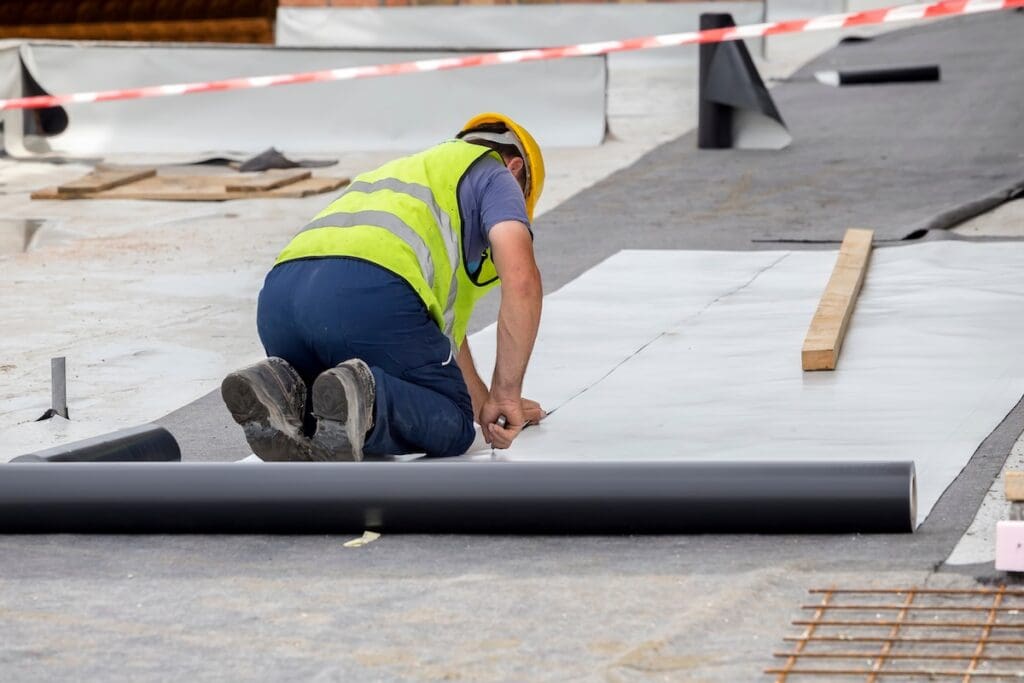
No roofing system is perfect. Understanding both the strengths and the limitations of single ply membrane roofs will help you make informed decisions about repairs, upgrades, or replacements.
Benefits That Matter
- Lightweight Installation: Single ply systems add minimal load to the roof deck, making them ideal for retrofits.
- Quick Repairs: Small issues like punctures or seam separations are easy to patch.
- Compatible With Insulation: Works well with polyiso, EPS, and other insulation boards for energy-efficient builds.
- Low Odor During Installation: Unlike asphalt-based systems, single ply roofing has minimal odor, ideal for occupied buildings.
Possible Drawbacks
- Vulnerability to Punctures: Foot traffic or dropped tools can damage the membrane if protection layers aren’t used.
- Seam Failures Over Time: While heat-welded seams are strong, age or poor installation can lead to future leaks.
- Not Ideal for High-Traffic Roofs: If your roof is used frequently for maintenance or equipment access, additional protection is needed.
Key Installation Considerations for Single Ply Roofs
Installing a single ply membrane is not just about rolling out material and sealing seams. Several factors must be addressed to ensure long-term performance, especially in climates like Morristown and surrounding areas.
Roof Deck Condition
The deck must be clean, dry, and structurally sound. Damaged wood, rusted metal, or wet insulation can compromise adhesion and longevity.
- Wet insulation should always be replaced
- Plywood decks need proper fasteners or adhesives
- Deck slope must allow for drainage (at least 1/4″ per foot)
Attachment Method
There are three primary ways to install a single ply membrane:
- Fully Adhered: Glued directly to the substrate or insulation board. Offers clean appearance and good wind uplift resistance.
- Mechanically Attached: Fastened with plates and screws, then seams are heat-welded. Cost-effective and common for large roofs.
- Ballasted: Membrane is laid loose and held in place with gravel or pavers. Rare in today’s market due to weight and wind concerns.
The right method depends on your building type, wind zone, and desired energy performance.
Flashing and Penetrations
Seams around HVAC units, skylights, and vents are common failure points if not sealed correctly.
- Pre-fabricated boots and corners are recommended
- Heat welding ensures durable flashings around protrusions
- Drainage points must be reinforced to prevent cracking or detachment
These details are especially critical in rain-heavy areas like Morristown and surrounding areas.
Comparing Single Ply to Other Flat Roofing Options
Let’s break down how a single ply membrane roof compares to other commonly used roofing systems.
| Roofing Type | Lifespan | Cost | Energy Efficiency | Seams | Weight |
| Single Ply Membrane | 20–30 years | Moderate | High (TPO, PVC) | Few | Lightweight |
| Built-Up Roofing | 15–25 years | High | Moderate | Many | Heavy |
| Modified Bitumen | 15–20 years | Moderate | Moderate | Several | Moderate |
| Spray Foam Roofing | 20–30 years | High | Very High | Seamless | Lightweight |
While BUR and modified bitumen have a long track record, single ply systems offer faster installation, fewer seams, and more consistent energy performance when reflectivity is a priority.
Is Single Ply Roofing Right for Your Building in Morristown?
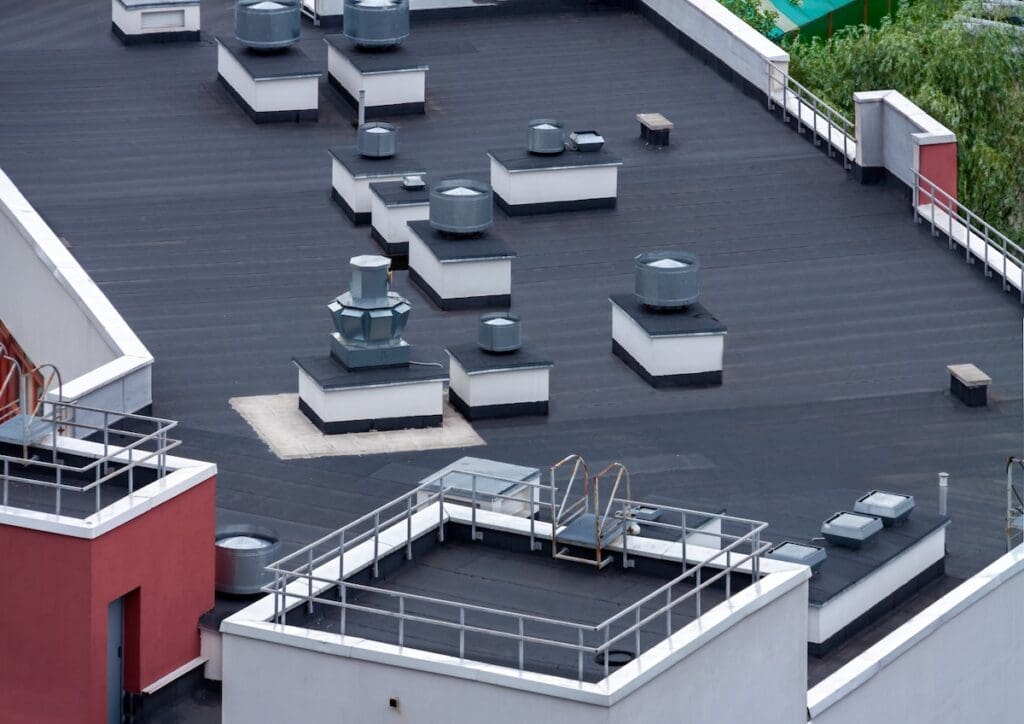
If your building has a flat or low-slope roof and you’re looking for a roofing system that balances durability with energy savings, a single ply membrane roof is worth serious consideration. Whether you’re building new or restoring an aging roof, these systems can adapt to many needs in Morristown and surrounding areas.
Ideal Building Types
- Retail centers and strip malls
- Warehouses and manufacturing facilities
- Apartment buildings and condos
- Medical and educational buildings
When It Makes the Most Sense
- Your existing roof is nearing the end of its service life but the structure is in good shape
- You want to reduce cooling costs during the summer months
- You’re planning to install solar panels and need a compatible roofing system
- You need a low-maintenance solution with strong manufacturer warranties
Just keep in mind that not all membranes are created equal. The right thickness, installation method, and maintenance plan will determine how well your system performs over the years.
Plan Your Next Roof with Confidence
A single ply membrane roof is one of the most reliable, energy-efficient options available for flat and low-slope buildings. With the right material selection and expert installation, it can protect your property for decades with minimal upkeep. Whether you’re restoring an aging system or starting fresh with new construction, it pays to work with a team that understands your roof’s specific needs.
To explore options for your building in Morristown and surrounding areas, contact us today to schedule an expert inspection and quote from Weathertite Solutions.