
Choosing the right roof for your commercial property isn’t just about appearance—it’s about long-term performance, energy savings, and protecting what’s inside. With so many commercial roof types available, knowing your options can help you avoid costly mistakes. Whether you own a retail space, warehouse, or multifamily complex in Newark and surrounding areas, matching the right system to your building’s needs is key. You can also see how these systems tie into larger roofing solutions by checking out the materials we use for modern flat roof builds.
In this blog, you’ll learn:
- Why roof type matters for commercial buildings
- A breakdown of 7 roofing systems with pros and cons
- Key considerations for choosing the right material
- Maintenance and lifespan expectations
- How to know when it’s time for replacement
Why the Right Commercial Roof Type Makes a Difference
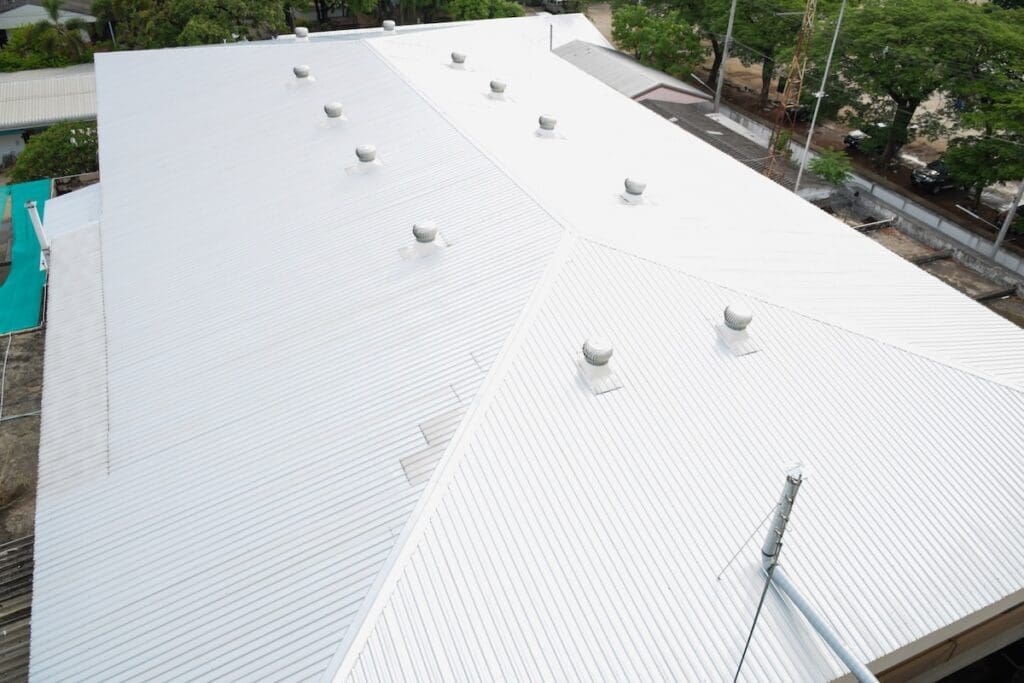
Commercial roofing systems aren’t just scaled-up versions of residential roofs. These systems need to handle greater wear and tear, withstand local climate shifts, and perform across wide, often flat surfaces. In areas like Newark and surrounding areas, where buildings range from compact storefronts to sprawling industrial warehouses, choosing the wrong roof type can lead to leaks, energy waste, or even code violations.
- Performance Fit: The right material depends on your building size, slope, and exposure to weather or chemicals.
- Budget Alignment: Different roof types come with varying upfront costs and maintenance needs, helping you balance short- and long-term expenses.
- Energy Efficiency: Reflective surfaces, insulation compatibility, and installation method all impact energy bills.
- Lifespan Expectation: Some roofs last 10–15 years, others 30+. Knowing this up front helps plan capital expenses.
- Local Requirements: Certain cities have code or permitting preferences for flat vs. sloped, reflective vs. dark-colored materials.
7 Commercial Roof Types to Consider
Each roofing system has strengths and weaknesses. Below is a breakdown of the most common types of commercial roofing systems in use today.
1. Built-Up Roofing (BUR)
Also known as “tar and gravel,” this system layers asphalt or coal tar and reinforcing fabrics, finished with gravel.
- Time-tested for durability
- Good protection against foot traffic
- Excellent waterproofing when installed correctly
- Heavy system that may require structural assessment
BUR systems are best for flat roofs on older industrial buildings where durability is more important than aesthetics.
2. Modified Bitumen
An evolution of BUR, modified bitumen uses polymer-modified asphalt sheets and is often applied with a torch, cold adhesive, or peel-and-stick method.
- Flexible in cold temperatures
- Reinforced with fiberglass or polyester
- Offers strong tear and puncture resistance
- More user-friendly for maintenance than traditional BUR
Ideal for low-slope buildings that require a tougher membrane with easier repair options.
3. TPO (Thermoplastic Polyolefin)
TPO is a single-ply white membrane known for its reflectivity and affordability.
- Reflects UV rays to reduce cooling costs
- Heat-welded seams prevent leaks
- Lightweight and fast to install
- Best suited for flat roofs with limited foot traffic
Many Newark business owners opt for TPO to meet energy codes and reduce long-term operating costs.
4. EPDM (Ethylene Propylene Diene Monomer)
Often called “rubber roofing,” EPDM is a black, flexible membrane with a long lifespan.
- Works well in cold climates
- Highly durable and easy to repair
- Available in large rolls, reducing seams
- Less reflective, may absorb more heat
EPDM is favored for larger commercial buildings where longevity and simplicity are priorities.
5. PVC (Polyvinyl Chloride)
PVC is another white single-ply membrane but stronger than TPO in many cases, especially around chemicals.
- Excellent for restaurants and manufacturing sites
- Heat-welded seams prevent leaks
- Strong resistance to grease and pollutants
- Higher upfront cost than TPO or EPDM
This system is ideal for commercial kitchens and rooftops with HVAC or exhaust systems.
6. Standing Seam Metal Roofing
This sloped system uses interlocking metal panels that allow for expansion and contraction.
- Extremely durable (up to 50 years)
- Fire and wind resistant
- Low maintenance with sleek appearance
- Higher upfront cost and not ideal for flat roofs
Commonly used for office buildings, schools, and retail centers with visible pitched roofs.
7. Spray Polyurethane Foam (SPF)
SPF involves spraying foam directly onto the roof surface, which then expands and hardens.
- Seamless application limits leak points
- Adds insulation value (R-value)
- Lightweight and fast to apply
- Needs UV-resistant coating for protection
SPF is gaining popularity in Newark and surrounding areas for its energy efficiency and versatility, but it requires experienced installers.
Factors to Consider When Choosing a Commercial Roof Type

Roofing isn’t a one-size-fits-all decision. Before choosing a system, take the following considerations into account.
Building Structure and Use
- Flat vs. Sloped: Flat roofs often work best with single-ply or BUR systems, while pitched roofs are suited to metal or shingles.
- Foot Traffic: Roofs that support HVAC units or frequent maintenance may need reinforced membranes like modified bitumen or PVC.
- Interior Use: Medical, food service, and cleanroom environments may have stricter building envelope requirements.
Local Climate Conditions
Newark and surrounding areas experience a mix of snow, heat, and rain. Some materials handle this variability better than others.
- Cold Resistance: EPDM and modified bitumen perform well in freeze-thaw cycles.
- UV Reflectivity: TPO, PVC, and SPF offer high reflectivity for summer heat.
- Wind Performance: Mechanically attached systems or metal panels hold up well in high wind zones.
Budget and Lifecycle Costs
Initial price matters, but so does long-term cost performance.
- Low Upfront, Higher Maintenance: BUR and modified bitumen
- Mid-Range, Balanced Performance: TPO and EPDM
- Higher Upfront, Long Lifespan: Metal and SPF systems
Energy Efficiency Goals
- Reflective Membranes: Reduce cooling costs in warm seasons.
- Added Insulation: Systems like SPF offer built-in thermal protection.
- Solar Compatibility: Some membranes pair well with solar panel racking systems.
Comparing Commercial Roof Types at a Glance
Here’s a comparison table to help visualize how these options stack up.
| Roof Type | Lifespan | Energy Efficiency | Maintenance Needs | Cost | Best For |
| BUR | 15–25 years | Moderate | Moderate | $$ | Older buildings with flat roofs |
| Modified Bitumen | 15–25 years | Moderate | Low | $$ | Flat roofs needing durability |
| TPO | 20–30 years | High | Low | $$ | Energy-focused commercial roofs |
| EPDM | 25–30 years | Low | Low | $$ | Large buildings in variable climates |
| PVC | 20–30 years | High | Low | $$$ | Food service or chemical exposure |
| Metal | 40–50 years | Moderate | Very Low | $$$$ | Sloped, visible commercial roofs |
| SPF | 20–30 years | Very High | Moderate | $$$ | Insulation + seamless protection |
Maintenance Tips for Commercial Roof Longevity
No matter which system you choose, ongoing care is essential. A proactive approach can extend lifespan and prevent unexpected costs.
- Inspect Twice a Year: Check for punctures, standing water, or membrane damage.
- Clean Drainage Systems: Clogged drains lead to pooling water and membrane stress.
- Seal Penetrations: Ensure flashing around HVAC units and vents is in good condition.
- Address Minor Issues Early: Small punctures or seam issues are easier (and cheaper) to fix before they spread.
- Document Repairs: Keep a roof file with inspection notes, warranty info, and service records.
In Newark and surrounding areas, freeze-thaw cycles and seasonal storms make it especially important to stay ahead of roof wear.
Invest in the Right Roof for Your Commercial Property
Whether you’re building new or replacing an aging system, understanding your commercial roof types can help you make a smarter investment. Each roof system offers different strengths, and the best choice depends on your building’s needs, budget, and long-term plans.
From reflective TPO to durable metal panels, Weathertite Solutions helps Newark and surrounding areas property owners navigate their options with confidence. Our team has experience working with every major system and can tailor recommendations to your goals.
If you’re ready to assess your roof or plan an upgrade, contact us today to schedule a consultation with Weathertite Solutions.