
A church roof does far more than cover a building. It protects generations of history, preserves sacred architecture, and supports the weekly rhythms of worship and community life. From aging slate systems to modern membrane assemblies, churches require careful planning and specialized expertise to remain structurally sound and historically appropriate. For congregations and Archdioceses in Newark and surrounding areas, understanding both the historic and functional demands of church roofing is essential to long term stewardship.
In this guide, you will learn:
- Why church roofing systems demand specialized expertise
- The historic and structural factors that influence decision making
- Eight key considerations before starting a roofing project
- Common causes of church roof deterioration
- Practical planning strategies for long term protection
Why Church Roofs Require Specialized Attention
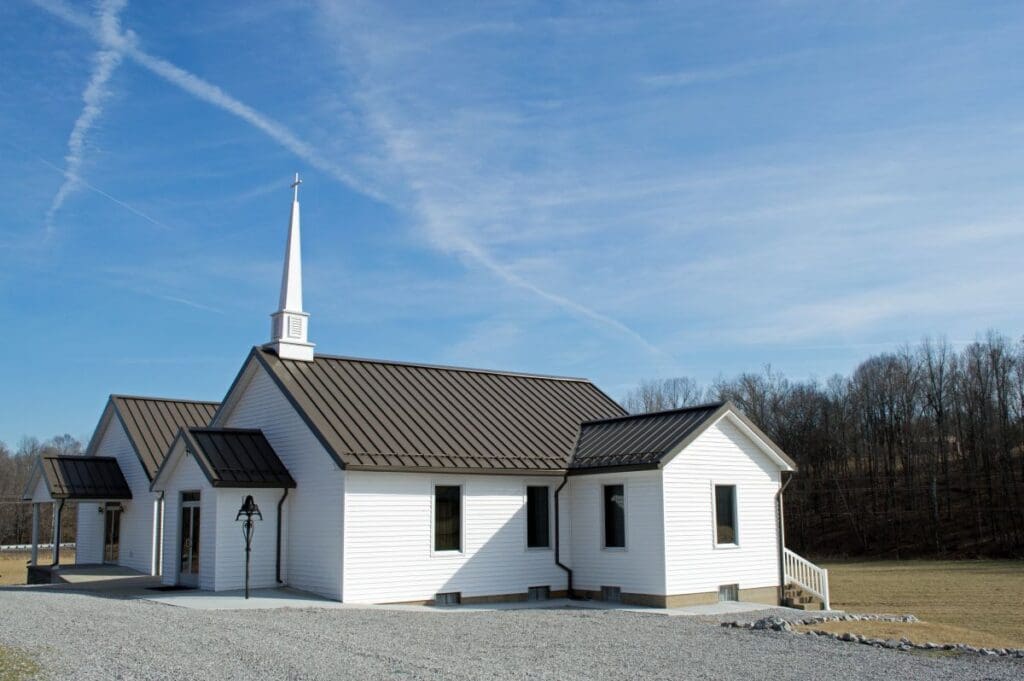
Church buildings are unlike most other structures. Their architectural complexity, historical significance, and active community use make roofing projects far more involved than standard residential or even typical commercial installations. Many churches feature steep slopes, bell towers, steeples, stained glass windows, vaulted ceilings, and custom drainage systems that require experienced craftsmanship and strategic coordination.
In addition to structural concerns, congregations must balance preservation with fiscal responsibility. A roofing project is not simply a maintenance task. It is a major investment in the safety, appearance, and longevity of the church itself. When properly planned and executed, a church roof protects not only the building envelope but also the spiritual and historical legacy housed within its walls.
Here is why specialized planning is so important:
- Historic Preservation: Many churches are decades or centuries old and require materials and techniques that respect the original construction.
- Structural Complexity: Heavy timber framing, masonry walls, and high ceiling assemblies must be evaluated before replacement begins.
- Congregational Safety: Roofing work must be performed while minimizing risk and disruption to weekly services and events.
- Long Term Stewardship: A properly installed system protects valuable interior finishes, artwork, and structural components for generations.
Churches in Newark and surrounding areas also face seasonal weather extremes, including heavy rain, high winds, snow accumulation, and freeze thaw cycles. Without proper detailing and maintenance, these conditions can accelerate wear and shorten the lifespan of roofing materials.
8 Essential Considerations for Historic and Functional Church Roofs
Before launching a roofing project, church leadership teams should understand the core elements that influence durability, cost, and compliance. Every church roof is unique, but the following eight considerations provide a comprehensive framework for decision making.
1. Architectural Style and Original Materials
Church architecture often reflects Gothic, Romanesque, Colonial, or other historic design influences. Many Catholic churches and parish buildings were constructed with natural slate, clay tile, copper, or standing seam metal roofing systems. These materials were chosen not only for durability but also for aesthetic and symbolic significance.
When evaluating an aging roof, it is important to determine whether restoration is feasible or full replacement is required. Key assessment factors include:
- The condition of slate or tile units
- Flashing and metal detailing deterioration
- Underlayment lifespan
- Local or diocesan preservation requirements
While slate and clay tile can last over a century, their supporting components often fail sooner. Identifying whether the issue lies in surface materials or underlying systems is critical for cost effective planning.
2. Structural Integrity and Load Capacity
Many older churches were built with heavy timber framing or early steel truss systems. Before installing new roofing materials, a structural review should confirm that the existing framework can safely support the updated assembly.
Important considerations include:
- Current load bearing capacity
- Additional weight from replacement materials
- Snow accumulation patterns
- Wind uplift resistance
In Newark and surrounding areas, winter snow loads can place significant stress on large roof spans. A structural assessment ensures that reinforcements, if needed, are addressed before installation begins.
3. Steeples, Towers, and Specialty Features
Church roofs rarely consist of simple planes. Architectural elements such as steeples, bell towers, dormers, crosses, and decorative trim create numerous transition points that require custom waterproofing solutions.
Common risk areas include:
- Tower base flashing connections
- Valley intersections
- Penetration seals around crosses or lightning protection systems
- Skylight and clerestory window transitions
These areas demand precision detailing. Improper installation around specialty features often leads to hidden leaks that may remain undetected until significant interior damage has occurred.
4. Drainage and Water Management
Large sanctuary roofs collect substantial volumes of water during storms. Effective drainage systems are essential to prevent water infiltration and structural deterioration.
A comprehensive drainage evaluation should include:
- Properly sized and positioned gutters
- Downspouts routed for safe discharge
- Internal drain functionality where applicable
- Ice dam prevention strategies
Clogged or undersized gutters can allow water to back up beneath roofing materials. Over time, this can damage decking, insulation, and interior ceilings. Routine inspection and maintenance are key to long term performance.
5. Code Compliance and Fire Ratings
Building codes have evolved significantly, particularly in areas related to wind resistance, fire safety, and insulation standards. When replacing a church roof, upgrades may be required to meet current regulations.
Potential updates include:
- Improved fire rated assemblies
- Enhanced wind uplift fastening systems
- Updated insulation values
- Access provisions for maintenance
For historic churches, meeting modern codes while maintaining architectural integrity requires thoughtful planning and coordination.
6. Energy Efficiency and Insulation Improvements
Older church buildings were not designed with today’s energy standards in mind. Roofing projects present an opportunity to improve insulation and ventilation, which can significantly reduce heating and cooling costs.
Upgrades may involve:
- High performance insulation boards
- Reflective membrane systems for low slope sections
- Improved attic ventilation
- Air sealing enhancements
Given the large volume of sanctuary spaces, even modest efficiency improvements can produce meaningful long term savings for congregations.
7. Budget Planning and Phased Restoration
Church roofing projects are often substantial financial commitments. Many congregations rely on capital campaigns, diocesan support, or grants to fund restoration efforts.
Strategic budgeting may include:
- Phased replacement of different roof sections
- Prioritizing high risk areas first
- Coordinating roofing work with masonry or façade restoration
Transparent cost projections and clear timelines help church leadership plan responsibly while maintaining community confidence.
8. Ongoing Maintenance and Inspection Programs
Even the highest quality roofing system requires ongoing oversight. Establishing a proactive maintenance program helps extend lifespan and reduce emergency repair costs.
Best practices include:
- Annual professional inspections
- Post storm assessments
- Routine gutter cleaning
- Prompt repair of minor leaks
Churches in Newark and surrounding areas benefit from seasonal evaluations that address freeze thaw damage and storm related wear. Preventive care ensures the roof continues to protect both the structure and its occupants.
Balancing Historic Preservation with Modern Performance
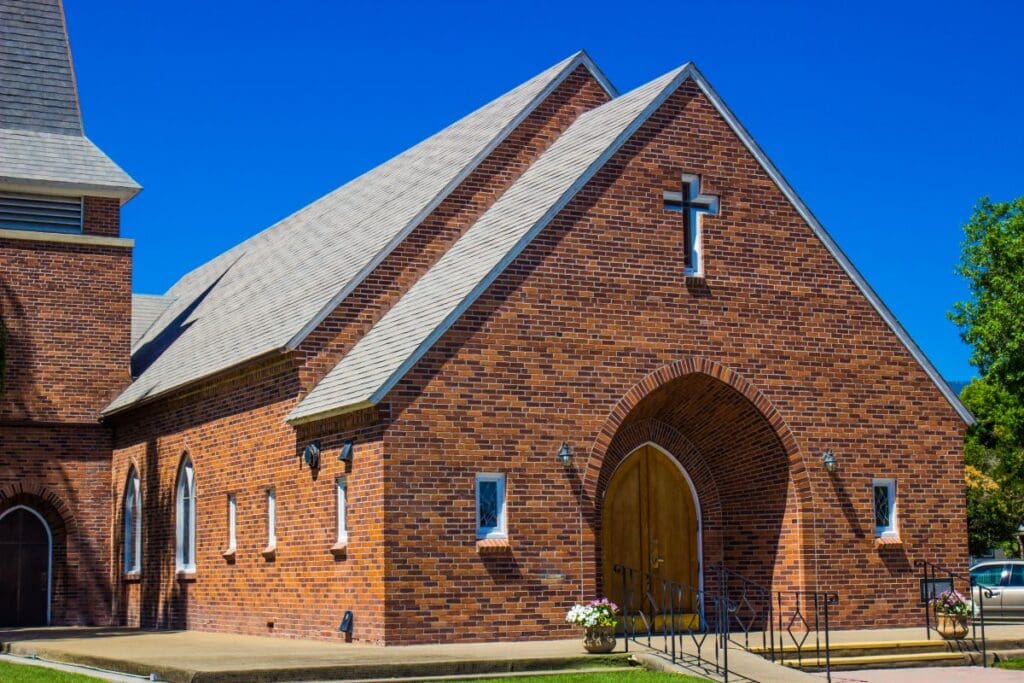
Preserving a church’s architectural character while upgrading its roofing system requires careful balance. Historic preservation does not mean sacrificing performance. Instead, it involves selecting solutions that maintain visible authenticity while strengthening hidden structural components.
Many churches operate under diocesan or municipal preservation guidelines. While these guidelines may restrict visible material changes, they often allow improvements beneath the surface. This creates opportunities to enhance durability without altering the building’s character.
Material Matching and Modern Alternatives
When original materials are no longer available or cost prohibitive, modern alternatives can replicate traditional aesthetics while improving durability.
Examples include:
- Synthetic slate designed to mimic natural stone
- Lightweight metal panels that resemble traditional clay tile
- Updated copper flashing systems with improved fastening methods
These alternatives maintain architectural integrity while reducing maintenance demands and improving long term resilience.
Advanced Waterproofing Technology
Even when visible materials remain traditional, incorporating modern waterproofing layers significantly enhances protection.
Enhancements may include:
- Ice and water shield membranes
- High performance underlayments
- Improved sealants around penetrations and transitions
These upgrades strengthen leak resistance, particularly around complex architectural features such as towers and valleys.
Protecting Interior Assets
Church interiors often contain irreplaceable elements, including stained glass windows, pipe organs, carved woodwork, and religious artwork. A compromised roof can lead to water intrusion that damages these features and creates costly restoration needs.
Investing in a durable roofing system protects not only the structure itself but also the spiritual and cultural heritage it houses.
Planning a Successful Church Roofing Project
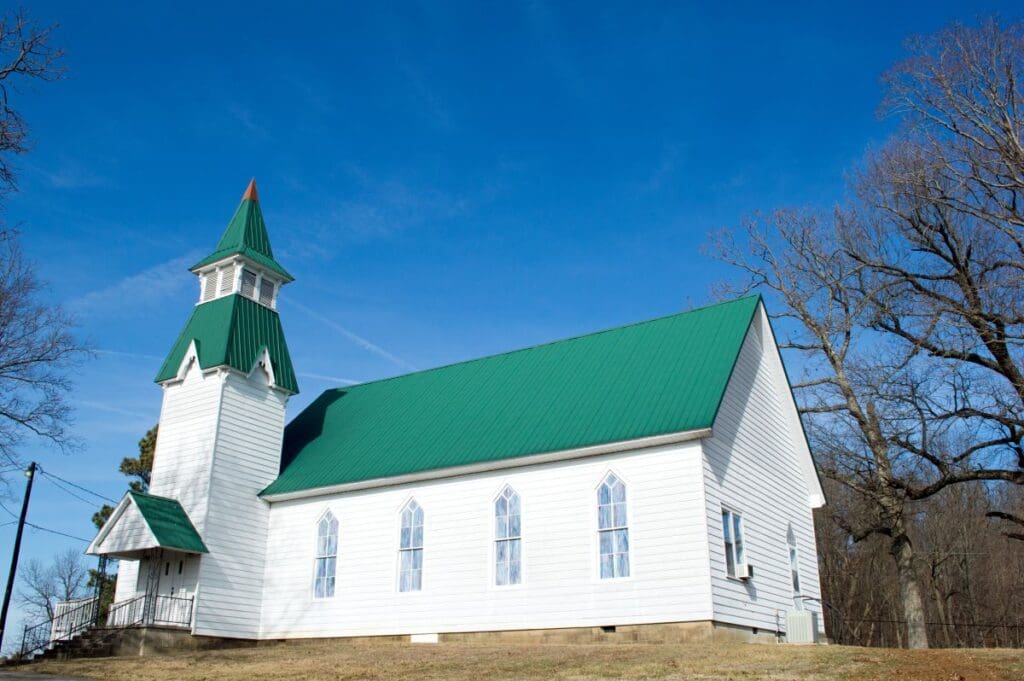
A successful church roofing project begins with thorough evaluation and clear communication. Proper planning minimizes disruption and ensures the congregation can continue worship activities safely throughout construction.
Comprehensive Inspection and Documentation
The first step is a detailed assessment that examines surface materials, flashing systems, structural components, and moisture levels. Accurate documentation provides a clear picture of current conditions and helps leadership prioritize necessary work.
This information also supports transparent communication with parishioners and diocesan representatives.
Coordination with Church Leadership and Archdioceses
For Catholic churches and Archdioceses, roofing projects often require formal review and approval. Early collaboration ensures alignment with preservation standards, budget expectations, and scheduling requirements.
Open communication builds trust and helps secure community support for the investment.
Scheduling Around Worship and Community Events
Churches host weekly services, weddings, funerals, and outreach programs. Roofing schedules should account for these important events to minimize disruption.
Experienced contractors plan staging areas, material deliveries, and work hours to maintain safety and accessibility throughout the project.
Long Term Warranty and Service Planning
A strong warranty provides peace of mind for congregations investing in a major roofing upgrade. Manufacturer backed material warranties combined with workmanship guarantees help protect the church’s financial commitment.
Ongoing service agreements further extend system performance and reduce unexpected repair costs over time.
Protecting Sacred Spaces for Future Generations
A church roof is more than a structural component. It is a guardian of history, faith, and community life. Every decision, from material selection to installation detail, influences the building’s longevity and the protection of its interior treasures.
If your church is experiencing leaks, visible aging, or simply requires a comprehensive evaluation, contact us today to schedule a consultation. Let Weathertite Solutions help protect your church roof with long term solutions designed to serve your congregation for generations.