
Choosing the right roofing membrane is one of the most important decisions you can make for a flat or low slope roof. The material you select directly impacts durability, energy efficiency, maintenance requirements, and long term costs. Whether you own a commercial building or manage a multi family property in Jersey City and surrounding areas, understanding your options is critical. Working with experienced professionals like those ensures your membrane system is properly specified and installed for lasting performance.
In this guide, you will learn:
- Why roofing membranes are essential for flat and low slope properties
- The most common types of membrane systems and how they differ
- Key factors to consider when choosing a membrane
- How climate and building use influence your decision
- What to expect in terms of lifespan and maintenance
Why Roofing Membranes Matter for Flat and Low Slope Roofs
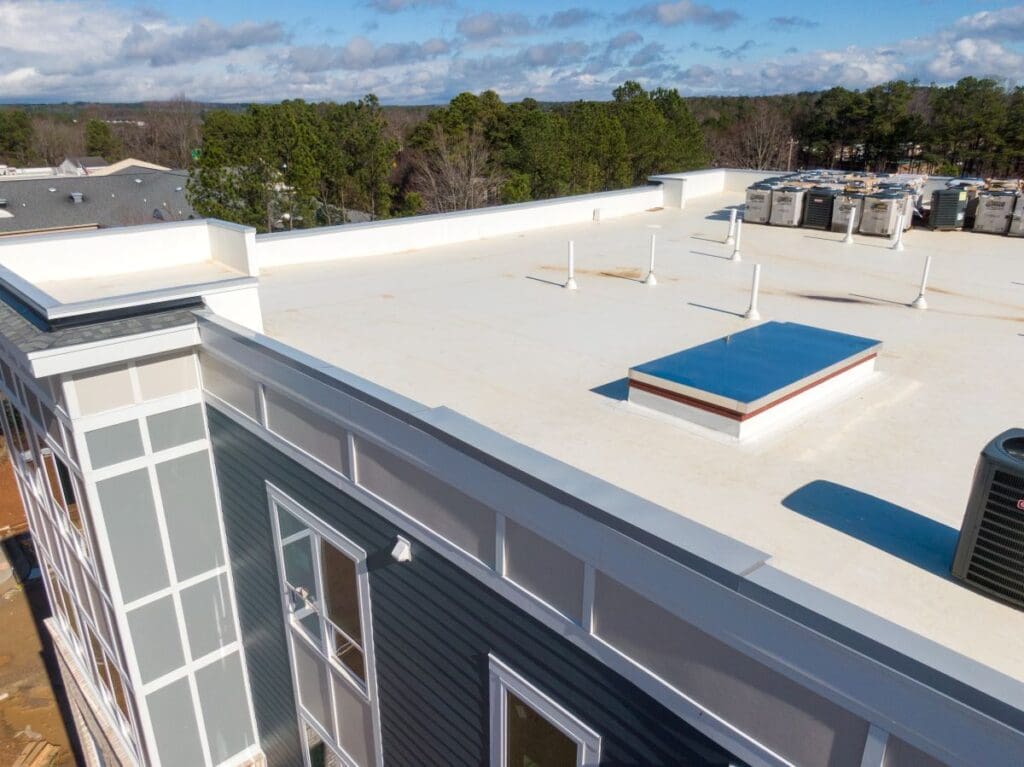
Flat and low slope roofs require a continuous waterproofing layer to protect the building envelope. Unlike steep slope systems that rely on gravity to shed water quickly, low slope roofs must prevent standing water from penetrating the surface. A properly selected membrane serves as the primary barrier against moisture intrusion.
The right membrane system offers several key advantages:
- Waterproof Protection: Creates a continuous barrier that prevents leaks and moisture infiltration.
- Energy Efficiency: Reflective membranes can reduce heat absorption and lower cooling costs.
- Durability: Designed to withstand UV exposure, temperature fluctuations, and foot traffic.
- Low Maintenance: Many modern membranes require minimal upkeep when properly installed.
Selecting the correct roofing membrane is not simply about cost. It is about choosing a system that aligns with your building’s structure, usage, and long term goals.
4 Common Roofing Membrane Types Explained
There are several membrane options available for commercial and multi family properties. Each type offers distinct performance characteristics, installation methods, and cost considerations. Understanding these differences will help you determine which solution is best suited for your property.
1. TPO Roofing Membrane
Thermoplastic Polyolefin, commonly known as TPO, is one of the most popular single ply membrane systems used today. It is widely chosen for its balance of affordability, durability, and energy efficiency.
TPO membranes are heat welded at the seams, creating a strong bond that resists water penetration. The material is typically white or light colored, which helps reflect sunlight and reduce cooling costs during warmer months.
Key advantages of TPO include:
- Heat welded seams for enhanced waterproofing
- Strong resistance to UV rays
- Energy efficient reflective surface
- Lightweight material suitable for many structures
TPO is often a practical choice for property owners in Jersey City and surrounding areas who want a cost effective yet reliable membrane system. Proper installation is essential to ensure seam integrity and long term performance.
2. EPDM Roofing Membrane
Ethylene Propylene Diene Monomer, known as EPDM, is a synthetic rubber membrane that has been used in commercial roofing for decades. It is typically black in color, though lighter options are available.
EPDM is known for its flexibility and ability to withstand temperature fluctuations. This makes it particularly suitable for climates that experience both hot summers and cold winters.
Benefits of EPDM include:
- Excellent flexibility in extreme temperatures
- Proven long term performance record
- Strong resistance to ozone and weathering
- Simple repair process for punctures
While EPDM seams are typically adhered with tape or adhesive rather than heat welded, modern seam technology has improved reliability. Routine inspections help maintain seam performance over time.
3. PVC Roofing Membrane
Polyvinyl Chloride, or PVC, is another single ply membrane option that offers exceptional durability and chemical resistance. It is commonly used on buildings where exposure to grease or chemicals is a concern, such as restaurants or manufacturing facilities.
PVC membranes also feature heat welded seams, which enhance waterproofing strength. The material is known for its flexibility and fire resistance.
Advantages of PVC include:
- Superior chemical resistance
- Heat welded seams for strong bonding
- High fire resistance ratings
- Long service life when properly maintained
PVC can be slightly more expensive than TPO or EPDM, but its performance characteristics may justify the investment depending on your building’s use.
4. Modified Bitumen Roofing Membrane
Modified bitumen is a multi layer roofing system that combines asphalt with polymer modifiers to enhance performance. It is typically installed in rolls and can be applied using heat, cold adhesives, or self adhered methods.
This system is often chosen for its durability and multi ply protection. It may include granulated surfaces for added UV protection.
Common benefits include:
- Multiple layers for added redundancy
- Strong puncture resistance
- Suitable for high traffic roof areas
- Compatible with various installation methods
Modified bitumen systems are often selected for properties that require additional durability or have complex roof configurations.
Factors to Consider When Choosing a Roofing Membrane
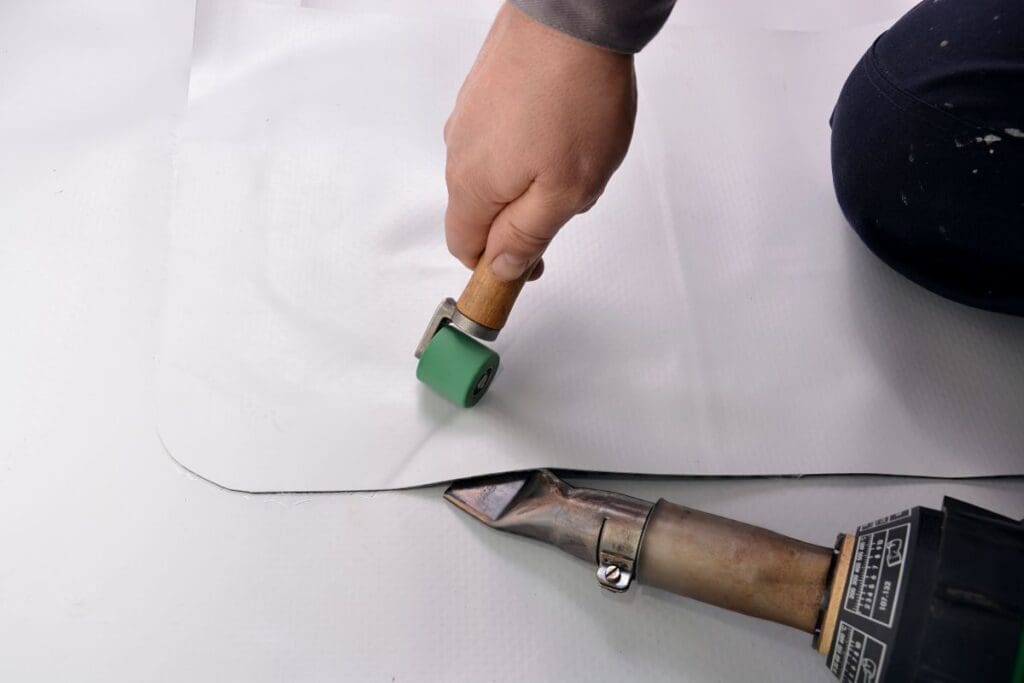
Selecting the right roofing membrane requires more than comparing material costs. Several important factors influence long term performance and return on investment.
Building Structure and Load Capacity
The existing structural framework must be able to support the chosen system. Lightweight single ply membranes may be ideal for certain buildings, while heavier multi ply systems require stronger support.
A professional evaluation ensures compatibility with the structure.
Climate and Environmental Exposure
In Jersey City and surrounding areas, roofs must withstand rain, wind, snow, and seasonal temperature swings. Reflective membranes may reduce cooling costs in summer, while flexible systems help resist cracking in winter.
Understanding local climate conditions is critical when evaluating membrane performance.
Roof Traffic and Usage
Some buildings require frequent rooftop access for HVAC maintenance or equipment servicing. In these cases, a membrane with enhanced puncture resistance or walkway pads may be necessary.
Consider:
- Frequency of foot traffic
- Presence of mechanical equipment
- Risk of dropped tools or debris
Choosing a membrane designed for your building’s usage helps prevent premature damage.
Budget and Lifecycle Cost
Initial installation cost is only one part of the equation. Lifecycle cost includes maintenance, energy savings, repair frequency, and expected lifespan.
A slightly higher upfront investment may result in lower long term expenses.
Enhancing Performance With Proper Installation and Maintenance
Even the highest quality roofing membrane can fail if it is not installed correctly. Professional installation ensures seams are properly sealed, flashing is secure, and drainage systems function as intended.
Regular maintenance further extends membrane lifespan. A proactive approach reduces the risk of leaks and costly interior damage.
Professional Installation Standards
Certified installers follow manufacturer guidelines to ensure compliance with warranty requirements. This includes:
- Proper substrate preparation
- Correct seam welding or adhesion
- Secure fastening patterns
- Accurate flashing installation
Adhering to these standards protects both performance and warranty coverage.
Routine Inspection and Preventive Care
Scheduled inspections allow roofing professionals to identify minor issues before they become major problems.
Maintenance best practices include:
- Clearing debris from drains and gutters
- Checking seams and flashing for separation
- Inspecting for punctures or membrane shrinkage
- Addressing minor repairs promptly
Property owners in Jersey City and surrounding areas benefit from seasonal inspections that address weather related wear.
Comparing Roofing Membrane Options at a Glance
To help simplify your decision, the following comparison outlines key differences between common membrane types:
TPO
- Reflective and energy efficient
- Heat welded seams
- Moderate cost
- Popular for general commercial use
EPDM
- Flexible synthetic rubber
- Strong performance in temperature extremes
- Adhesive or taped seams
- Proven long term durability
PVC
- Excellent chemical resistance
- Heat welded seams
- Higher fire resistance
- Suitable for restaurants and industrial facilities
Modified Bitumen
- Multi layer protection
- Strong puncture resistance
- Good for high traffic roofs
- Multiple installation methods available
Each system has advantages, and the best choice depends on your building’s structure, usage, and budget.
Making the Right Choice for Your Property
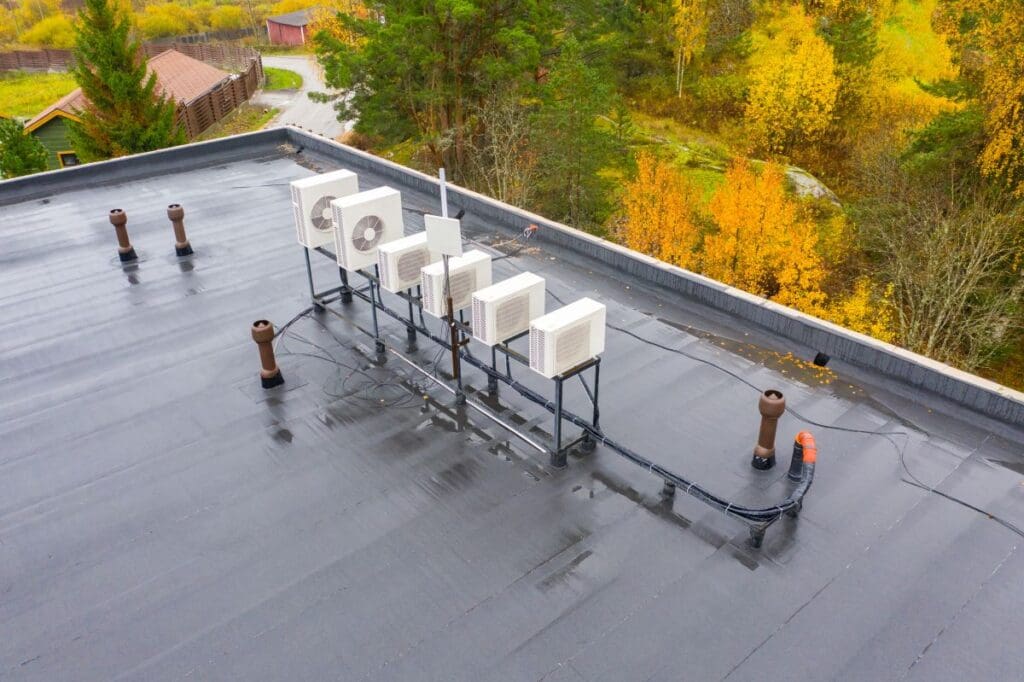
Selecting a roofing membrane is a strategic decision that impacts your building’s protection and operating costs for decades. By evaluating structural requirements, climate exposure, energy goals, and maintenance expectations, you can narrow down the most suitable options.
Consulting with experienced roofing professionals ensures that your system is not only properly installed but also designed to meet your long term objectives. A tailored recommendation provides greater confidence than a one size fits all approach.
Invest in the Right Roofing Membrane for Long Term Protection
A roofing membrane is the foundation of protection for any flat or low slope building. The right material safeguards against water intrusion, improves energy efficiency, and supports the overall integrity of your property. Understanding the differences between TPO, EPDM, PVC, and modified bitumen systems empowers you to make an informed decision.
For property owners in Jersey City and surrounding areas, expert guidance can make all the difference. If you are considering a new membrane system or evaluating the condition of your existing roof, contact us today to speak with the team at Weathertite Solutions. Our experienced professionals are ready to help you select and install a roofing membrane designed for long term performance and reliability.