
Choosing the right roofing system can make or break the long-term performance of your property. EPDM roofing has become a go-to solution for commercial and flat roof applications due to its durability and cost efficiency. Property owners exploring reliable roofing options often benefit from learning more about modern systems and installation approaches, especially when reviewing solutions like advanced flat roofing systems designed for long-term protection.
In this guide, you’ll learn:
- What EPDM roofing is and why it stands out
- Key benefits that make it a popular choice
- How the installation process works step by step
- Maintenance tips to extend roof lifespan
- How EPDM compares to other roofing materials
Why EPDM Roofing Is a Smart Investment for Property Owners
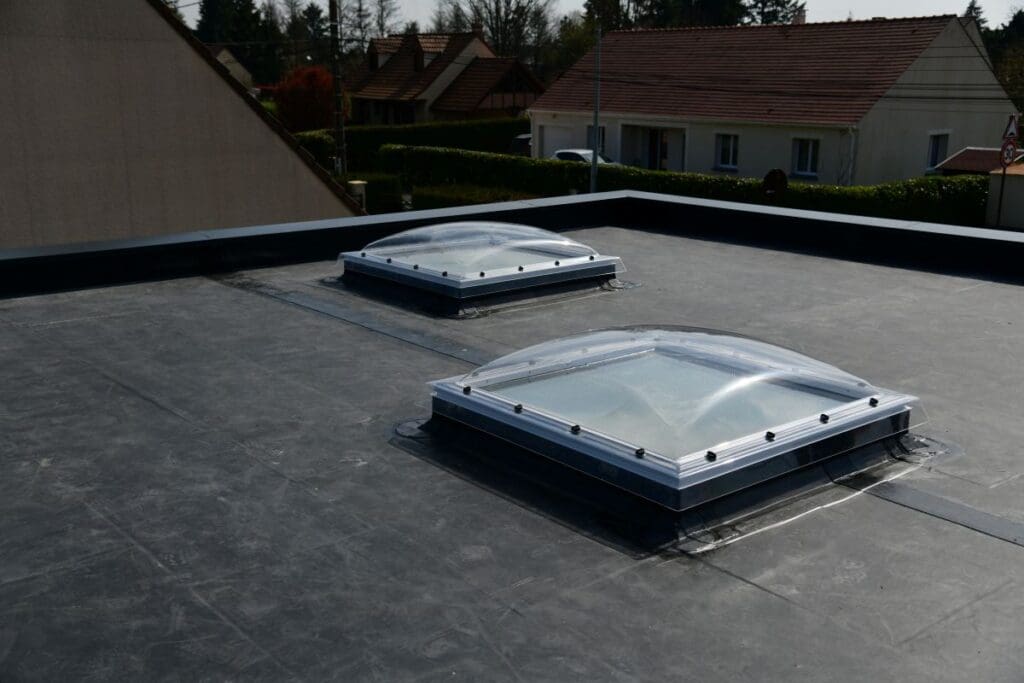
EPDM roofing has earned a strong reputation across commercial properties for its resilience and adaptability. Whether you own a retail building, warehouse, or office space in Newark and surrounding areas, understanding why this system performs so well can help you make a confident investment.
At its core, EPDM is a synthetic rubber membrane designed to withstand extreme weather conditions while maintaining flexibility over time. Its ability to expand and contract without cracking makes it especially effective in regions with seasonal temperature changes.
Here are some of the standout benefits:
- Long-Term Durability: EPDM roofs can last 20 to 30 years or more with proper maintenance, making them a cost-effective solution over time.
- Weather Resistance: This material performs exceptionally well against UV rays, rain, snow, and temperature fluctuations.
- Energy Efficiency: EPDM can help regulate building temperatures, reducing heating and cooling costs when paired with proper insulation.
- Low Maintenance Needs: Compared to many other roofing systems, EPDM requires minimal upkeep to stay functional.
- Flexibility and Strength: Its rubber composition allows it to resist tears and adapt to structural movement without damage.
These advantages make EPDM roofing especially appealing for property owners who want reliability without constant repairs or replacements.
8 Key Steps in the EPDM Roofing Installation Process
Understanding how EPDM roofing is installed helps you better evaluate contractors and ensures your investment is handled correctly. While professionals handle the technical work, knowing the process gives you peace of mind.
1. Roof Inspection and Preparation
Before installation begins, the existing roof must be carefully inspected. This step ensures the structure is sound and ready to support a new membrane.
- Removal of old materials if necessary
- Identification of weak spots or damage
- Cleaning and leveling the surface
Proper preparation sets the foundation for a successful installation.
2. Installing Insulation Layers
Insulation plays a critical role in energy efficiency and overall roof performance. Contractors install insulation boards to create a stable base.
- Improves thermal performance
- Helps reduce energy costs
- Provides a smooth surface for the membrane
This step is essential for maximizing the benefits of EPDM roofing.
3. Measuring and Cutting the Membrane
EPDM membranes are typically delivered in large sheets. These sheets are measured and cut to fit the roof precisely.
Accuracy here prevents issues like wrinkles or gaps that could lead to leaks later.
4. Applying Adhesive or Mechanical Fasteners
There are different installation methods depending on the building’s needs:
- Fully adhered systems use strong adhesives
- Mechanically fastened systems use anchors and plates
- Ballasted systems rely on weight such as gravel
Each method has its advantages, and the choice depends on the structure and environment.
5. Laying the EPDM Membrane
Once everything is prepared, the membrane is carefully rolled out and positioned.
- Ensures proper alignment
- Eliminates air pockets
- Creates a uniform protective layer
This step requires precision to ensure long-term performance.
6. Sealing Seams and Edges
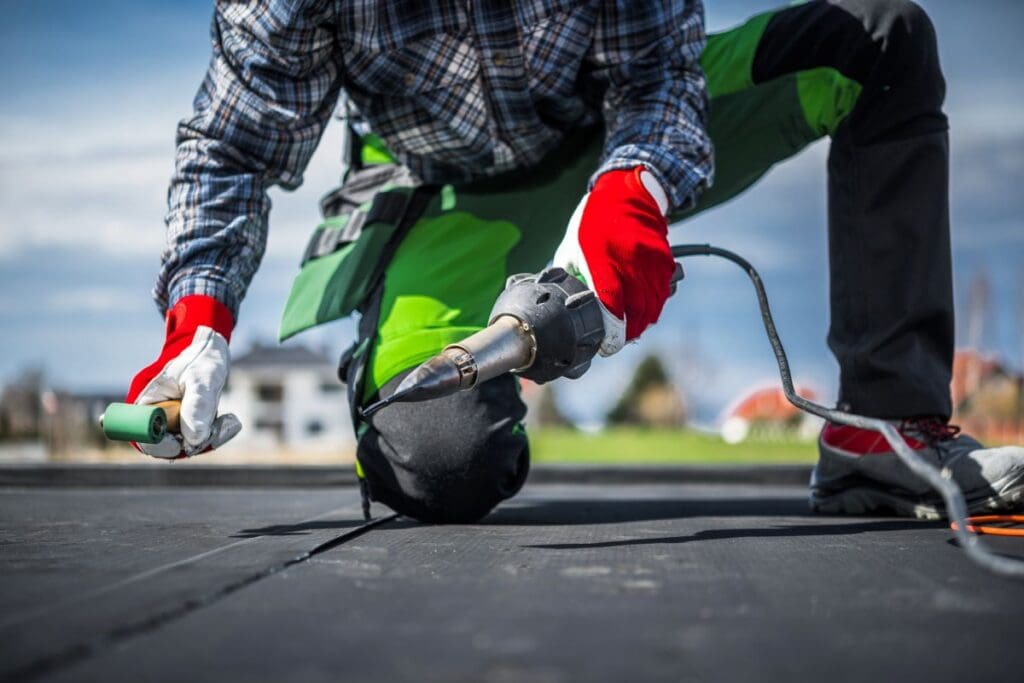
Seams are one of the most critical parts of any roofing system. EPDM uses specialized tapes or adhesives to create watertight seals.
- Prevents leaks and moisture intrusion
- Reinforces vulnerable areas
- Extends overall roof lifespan
Proper sealing is key to durability.
7. Flashing Installation Around Penetrations
Roof features like vents, HVAC units, and drains require additional protection.
- Custom flashing prevents water entry
- Reinforces high-risk areas
- Ensures a complete waterproof barrier
This step is especially important for complex roof layouts.
8. Final Inspection and Quality Check
Before the project is complete, a thorough inspection ensures everything meets performance standards.
- Checks for proper adhesion
- Verifies seam integrity
- Confirms drainage efficiency
A detailed final review ensures your EPDM roofing system is ready to perform for years.
Maintenance Tips to Extend the Life of EPDM Roofing
Even though EPDM roofing is known for low maintenance, routine care can significantly extend its lifespan. Property owners in Newark and surrounding areas who take a proactive approach often avoid costly repairs down the line.
Here are essential maintenance practices to follow:
- Regular Inspections: Schedule inspections at least twice a year and after major storms to catch minor issues early.
- Debris Removal: Clear leaves, branches, and dirt buildup to prevent drainage problems.
- Check Seams and Flashing: Ensure seals remain intact and address any separation quickly.
- Address Ponding Water: Standing water can weaken roofing materials over time if not properly managed.
- Prompt Repairs: Small punctures or tears should be fixed immediately to prevent larger issues.
Signs Your EPDM Roof Needs Attention
Recognizing early warning signs can save you from major repairs:
- Visible cracks or punctures
- Loose seams or peeling edges
- Water stains inside the building
- Increased energy bills due to insulation issues
By staying proactive, you can keep your EPDM roofing system performing at its best.
Comparing EPDM Roofing to Other Flat Roof Systems
Choosing the right roofing material often comes down to comparing options such as TPO roofing. EPDM stands out in many areas, but understanding how it stacks up against alternatives helps you make an informed decision.
EPDM vs TPO Roofing
- EPDM Advantages: Better flexibility and long-term durability
- TPO Advantages: Reflective surface for improved energy efficiency in hot climates
- Best Use Case: EPDM is ideal for colder climates and buildings requiring flexibility
EPDM vs PVC Roofing
- EPDM Advantages: Lower cost and easier installation
- PVC Advantages: Strong chemical resistance and durability in industrial environments
- Best Use Case: EPDM works well for general commercial applications, while PVC suits specialized environments
EPDM vs Built-Up Roofing (BUR)
- EPDM Advantages: Faster installation and lighter weight
- BUR Advantages: Multi-layer protection and strong resistance to foot traffic
- Best Use Case: EPDM is preferred for efficiency and simplicity, while BUR is chosen for heavy-duty applications
Cost and Longevity Comparison Table
| Roofing Type | Average Lifespan | Maintenance Level | Installation Complexity |
| EPDM | 20 to 30 years | Low | Moderate |
| TPO | 15 to 25 years | Low to Moderate | Moderate |
| PVC | 20 to 30 years | Low | Moderate |
| BUR | 20 to 25 years | Moderate | High |
This comparison highlights why EPDM roofing remains a popular choice for many property owners in Newark and surrounding areas seeking a balance between cost, durability, and ease of maintenance.
How to Choose the Right Contractor for EPDM Roofing
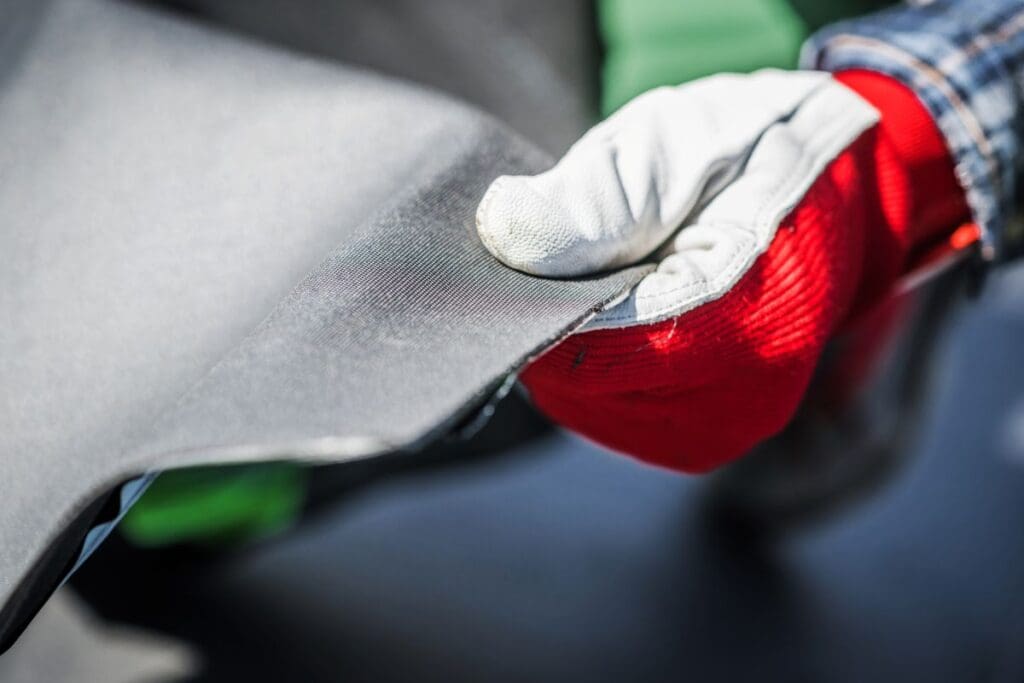
Selecting the right contractor is just as important as choosing the roofing material itself. A high-quality EPDM system depends heavily on proper installation.
Key Qualities to Look For
- Experience with EPDM Systems: Not all contractors specialize in rubber roofing, so experience matters.
- Strong Local Reputation: Look for companies with proven results in Newark and surrounding areas.
- Clear Communication: A good contractor explains the process and answers your questions thoroughly.
- Warranty Options: Reliable contractors offer both material and workmanship warranties.
Questions to Ask Before Hiring
- How many EPDM roofing projects have you completed?
- What installation method do you recommend and why?
- What maintenance services do you provide after installation?
- Can you provide references or recent project examples?
Taking the time to vet your contractor ensures your investment delivers long-term value.
Protect Your Property with a Proven EPDM Roofing Solution
EPDM roofing offers a powerful combination of durability, flexibility, and cost efficiency, making it an excellent choice for commercial properties. From its weather resistance to its long lifespan, this system continues to stand out as a reliable solution for property owners who want lasting protection.
If you are considering upgrading your roof or need expert guidance, the team at Weathertite Solutions is ready to help. Reach out to contact us today to discuss your EPDM roofing needs and discover how the right system can protect your investment for years to come.