
Replacing or repairing a commercial roof is a major investment, but the right financing strategy can make the process far more manageable. In 2026, businesses have more funding solutions available than ever before, from traditional loans to flexible payment programs designed specifically for roofing projects. Understanding commercial roof financing can help property owners protect their buildings without putting unnecessary strain on cash flow. Whether you own a retail center, office building, or industrial property, investing in durable roofing through long-lasting roofing solutions for commercial properties can help reduce future expenses and improve operational stability.
In this guide, you’ll learn:
- The most common commercial roof financing options available in 2026
- How financing can help protect business cash flow
- What lenders and contractors typically evaluate before approval
- Mistakes business owners should avoid during the financing process
- Ways to maximize return on investment from a roofing project
Why Financing a Commercial Roof Matters More Than Ever
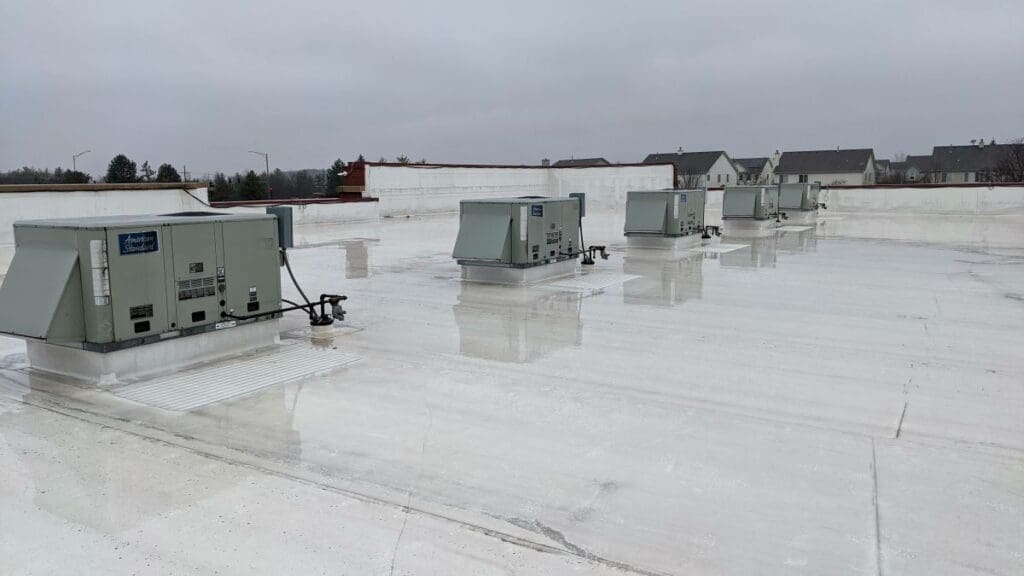
Commercial roofing systems are expected to last for decades, but delaying repairs or replacement due to cost concerns can lead to far more expensive problems. Water intrusion, insulation damage, energy inefficiency, and structural deterioration can quickly escalate if roofing issues are ignored.
In markets like Princeton and surrounding areas, many commercial properties are aging at the same time that labor and material costs continue to rise. Financing helps business owners move forward with necessary improvements before small issues become major liabilities.
A strategic financing plan can provide several advantages:
- Cash Flow Protection: Financing allows businesses to spread costs over time instead of paying a large lump sum upfront.
- Operational Continuity: Prompt roof replacement reduces the likelihood of disruptions caused by leaks or structural failures.
- Energy Savings: Modern roofing systems often improve insulation and lower monthly utility expenses.
- Property Value Growth: A newer roof can improve property valuation and strengthen tenant confidence.
- Tax Advantages: Some roofing improvements may qualify for depreciation benefits or deductions depending on the structure of the project.
Business owners who approach roofing as a long-term investment rather than a short-term expense are often better positioned for financial stability and building performance.
5 Top Commercial Roof Financing Options Available in 2026
Commercial roofing financing is no longer limited to traditional bank loans. Property owners now have access to multiple funding strategies depending on project size, credit profile, and business goals.
Below are some of the most common financing options available this year.
1. Traditional Commercial Bank Loans
Commercial bank loans remain one of the most widely used financing methods for roofing projects. These loans are typically offered through regional banks, national institutions, and commercial lending divisions.
Businesses with strong financial histories may qualify for competitive rates and longer repayment periods.
Key benefits include:
- Fixed monthly payments
- Predictable interest rates
- Potentially lower financing costs over time
- Flexible loan amounts for large-scale projects
However, approval standards can be strict. Many lenders evaluate:
- Business revenue history
- Credit scores
- Existing debt obligations
- Property equity
- Time in business
This option often works best for established businesses planning major roof replacements or large facility upgrades.
2. SBA Loans for Roofing Improvements
Small Business Administration loans continue to be a valuable option in 2026. SBA-backed loans are designed to help businesses access funding with favorable repayment terms.
Roof replacement projects may qualify if they support operational stability, property improvement, or energy efficiency upgrades.
Advantages often include:
- Lower down payments
- Longer repayment terms
- Competitive interest rates
- Increased accessibility for smaller businesses
The application process can take longer than other funding methods, but many business owners find the flexibility worthwhile.
For commercial property owners in Princeton and surrounding areas, SBA programs can provide an accessible path toward major roofing improvements without excessive financial pressure.
3. Contractor Financing Programs
Many commercial roofing companies now partner with lenders to offer financing directly through the contractor. These programs are designed to simplify the process and speed up project timelines.
Contractor financing may include:
- Fast approval decisions
- Flexible repayment terms
- Deferred payment options
- Low initial payment structures
This approach is often beneficial for urgent roofing situations where waiting for traditional bank approval could delay critical repairs.
Business owners should still review financing terms carefully before signing agreements. Important details include:
- Interest rates
- Prepayment penalties
- Length of repayment
- Variable versus fixed rates
- Late payment fees
Working with a trusted roofing contractor who explains financing transparently can make the process significantly smoother.
4. Equipment Financing Structures
Some lenders classify roofing systems as capital improvements or equipment-related investments. This allows businesses to use specialized equipment financing programs for roofing projects.
These structures may offer:
- Faster approval timelines
- Reduced documentation requirements
- Flexible collateral arrangements
This financing strategy can be especially useful for industrial properties where roofing systems support manufacturing equipment, climate control systems, or specialized operations.
5. Commercial Lines of Credit
Businesses with existing commercial lines of credit may choose to use those funds for roofing improvements. This provides flexibility and immediate access to capital.
Benefits include:
- Faster project initiation
- Flexible repayment schedules
- Ability to finance phased roofing work
However, interest rates on lines of credit can sometimes be higher than fixed commercial loans, especially if rates fluctuate over time.
This option is often best for:
- Emergency repairs
- Partial reroofing projects
- Ongoing maintenance programs
- Multi-phase property improvements
What Lenders and Roofing Companies Evaluate Before Approval

Financing approval is influenced by several factors beyond credit score alone. Understanding what lenders prioritize can help business owners prepare stronger applications and avoid delays.
Commercial roofing projects are viewed as significant capital investments, so lenders often assess both business stability and property condition.
Financial Health of the Business
Lenders typically review income statements, tax returns, and cash flow history to determine repayment capability.
Important considerations include:
- Consistent revenue trends
- Existing loan obligations
- Profitability
- Debt-to-income ratio
- Available reserves
Strong financial documentation can improve approval odds and potentially secure better rates.
Age and Condition of the Roof
The condition of the current roof also matters. A severely deteriorated roofing system may increase risk in the eyes of some lenders.
Roof inspections often help determine:
- Remaining roof lifespan
- Structural concerns
- Water damage severity
- Drainage performance
- Insulation effectiveness
Detailed inspection reports from experienced contractors can strengthen financing applications.
Type of Commercial Property
Property type influences financing structures and risk assessments.
For example:
- Industrial buildings may require specialized roofing systems
- Retail centers often prioritize tenant continuity
- Office properties may focus on energy efficiency
- Warehouses may need large-scale membrane systems
Each property type carries unique operational requirements that affect project scope and lender evaluation.
Credit Profile
While business credit remains important, many financing programs now consider broader indicators than credit score alone.
Lenders may review:
- Payment history
- Credit utilization
- Trade accounts
- Existing commercial debt
- Personal guarantees
Some contractor financing programs are more flexible than traditional institutions, making them appealing for businesses rebuilding credit.
How to Choose the Right Financing Option for Your Property
Not every financing solution fits every commercial property. The ideal choice depends on budget, timeline, property goals, and operational priorities.
Business owners should carefully compare multiple options before making a decision.
Consider the Urgency of the Roofing Project
Emergency leaks require faster funding solutions than planned upgrades.
For urgent situations, contractor financing or lines of credit may offer the fastest path forward. Planned roof replacements may benefit from traditional commercial loans with lower long-term costs.
Delaying critical roofing work can create additional expenses such as:
- Interior water damage
- Mold remediation
- Structural deterioration
- Equipment damage
- Tenant complaints
Evaluating urgency honestly helps narrow financing options quickly.
Compare Total Long-Term Cost
Low monthly payments can sometimes result in higher total repayment amounts over time.
Before signing financing agreements, compare:
| Financing Factor | Why It Matters |
| Interest Rate | Determines overall borrowing cost |
| Loan Length | Longer terms may reduce monthly payments but increase total interest |
| Fees | Origination and administrative fees affect total expense |
| Prepayment Terms | Some lenders charge penalties for early payoff |
| Payment Flexibility | Seasonal businesses may need adaptable payment schedules |
A lower monthly payment is not always the most cost-effective choice.
Evaluate Energy Efficiency Savings
Modern roofing systems can significantly reduce heating and cooling expenses. In some cases, energy savings partially offset financing payments.
Energy-efficient upgrades may include:
- Reflective roof coatings
- Enhanced insulation systems
- Cool roofing membranes
- Improved ventilation
- Solar-ready roofing systems
In Princeton and surrounding areas, commercial property owners are increasingly prioritizing energy efficiency to manage operational costs and meet sustainability goals.
Work With an Experienced Roofing Contractor
A knowledgeable contractor plays a major role in financing success. Experienced commercial roofing teams can help property owners:
- Identify appropriate financing programs
- Prepare accurate project estimates
- Coordinate inspection documentation
- Develop phased replacement plans
- Avoid unnecessary upgrades
Reliable contractors also provide transparency regarding project scope, timelines, and long-term maintenance expectations.
Common Mistakes Businesses Make With Commercial Roof Financing
Financing can be extremely beneficial when approached strategically. However, rushed decisions or incomplete planning can create avoidable financial strain.
Understanding common mistakes can help business owners make smarter choices.
Waiting Too Long to Address Roofing Problems
One of the most expensive mistakes is postponing roof replacement until severe damage develops.
Minor issues can rapidly escalate into:
- Structural deterioration
- Interior flooding
- Mold growth
- HVAC inefficiency
- Electrical hazards
Early intervention often creates more financing flexibility because lenders prefer proactive property maintenance over emergency situations.
Choosing Financing Based Only on Monthly Payment
Focusing exclusively on monthly payment amounts can lead to higher overall borrowing costs.
Businesses should also review:
- Interest accumulation
- Loan duration
- Hidden fees
- Balloon payment structures
- Variable rate risks
Comprehensive cost analysis provides a clearer understanding of long-term affordability.
Ignoring Warranty Coverage
Roof warranties are critical components of commercial roofing investments.
Before financing a project, verify:
- Manufacturer warranty terms
- Contractor workmanship warranties
- Maintenance requirements
- Transferability provisions
A properly installed and protected roofing system can deliver far greater value throughout the repayment period.
Overlooking Preventive Maintenance

Financing a new roof is only part of the equation. Ongoing maintenance helps maximize roof lifespan and reduce repair costs.
Preventive maintenance may include:
- Seasonal inspections
- Debris removal
- Drainage cleaning
- Sealant evaluations
- Membrane assessments
Businesses that invest in maintenance often experience fewer emergency repairs and longer roofing system performance.
Planning Ahead for Long-Term Commercial Roofing Success
Commercial roofing decisions should support both immediate operational needs and long-term property goals. Financing provides flexibility, but strategic planning ultimately determines the value of the investment.
Property owners should approach roofing projects with a broader perspective that includes durability, maintenance, efficiency, and future expansion plans.
Build Roofing Costs Into Long-Term Budgeting
Rather than treating roof replacement as an unexpected emergency expense, businesses should include roofing within long-term capital planning.
This approach helps organizations:
- Prepare for replacement timelines
- Improve financing readiness
- Avoid deferred maintenance
- Reduce emergency disruptions
Long-term planning also provides more time to evaluate materials, financing structures, and contractor options carefully.
Prioritize Durable Roofing Materials
Selecting high-quality materials can reduce future repair frequency and improve return on investment.
Popular commercial roofing systems in 2026 include:
- TPO roofing
- EPDM membrane systems
- Modified bitumen roofing
- PVC roofing
- Metal roofing systems
Each option offers different advantages depending on property type, climate conditions, and operational needs.
Schedule Regular Roof Evaluations
Routine evaluations help identify problems before they become financially overwhelming.
Professional inspections can uncover:
- Moisture infiltration
- Membrane deterioration
- Drainage issues
- Flashing damage
- Structural concerns
For businesses in Princeton and surrounding areas, seasonal weather fluctuations can accelerate roofing wear, making routine evaluations especially important.
Protect Your Property Investment With the Right Roofing Strategy
A commercial roof is one of the most important components of any business property. The right financing solution can make essential repairs or full replacement achievable without overwhelming your operating budget. By understanding available options, comparing repayment structures, and working with experienced professionals, business owners can move forward with confidence while protecting long-term property value.
If your commercial property is showing signs of roofing damage or aging, Weathertite Solutions can help you evaluate practical financing options and develop a roofing plan tailored to your needs. Whether you need repairs, replacement, or long-term maintenance guidance, contact us today to schedule a consultation and learn how to protect your investment for years to come.