
Proper roof drainage plays a major role in protecting commercial buildings from water damage, structural deterioration, and costly repairs. A roof scupper is one of the most important drainage components on many flat and low-slope roofing systems, helping direct water safely away from the roof surface. Property owners who understand how roof drainage works are often better equipped to prevent expensive issues before they begin. Whether you manage an office building, warehouse, or retail space, understanding effective flat roofing systems and drainage solutions can help extend the life of your property and reduce maintenance concerns.
In this guide, you’ll learn:
- What a roof scupper is and how it works
- Why proper drainage matters for commercial roofing systems
- Common roof scupper problems property owners face
- How roof scuppers compare to other drainage options
- Maintenance tips that help prevent costly water damage
Why Roof Scuppers Are So Important for Commercial Buildings
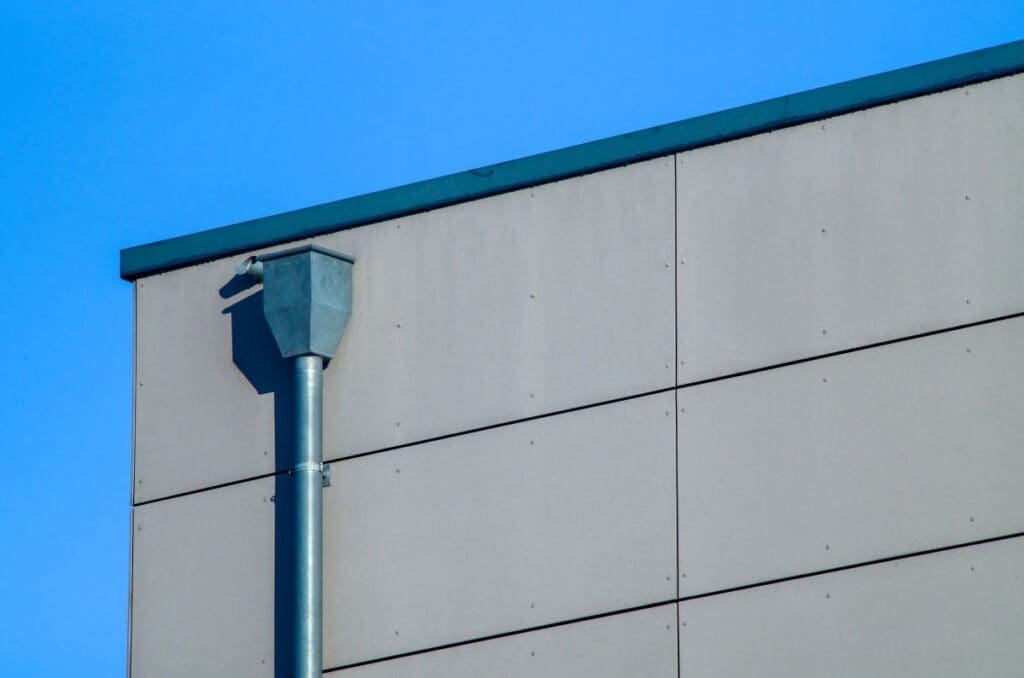
Flat and low-slope roofs are designed differently than traditional residential roofs. Because water does not naturally run off as quickly, commercial roofing systems rely heavily on drainage components to move water away efficiently.
Roof scuppers are essential because they provide a controlled exit point for rainwater and melting snow. Without effective drainage, standing water can quickly lead to serious roofing problems.
In Morristown and surrounding areas, seasonal storms, heavy rainfall, and winter weather can place significant stress on commercial roofing systems. Properly functioning roof scuppers help reduce those risks and protect both the roof and the building beneath it.
Some of the biggest advantages of roof scuppers include:
- Water Removal: Roof scuppers help prevent ponding water from collecting on flat roofing surfaces.
- Structural Protection: Proper drainage reduces excess weight and stress on roofing materials and structural supports.
- Leak Prevention: Efficient water flow minimizes the likelihood of water infiltration and interior damage.
- Extended Roof Lifespan: Roofing systems with proper drainage often experience less deterioration over time.
- Lower Maintenance Costs: Preventing water accumulation helps reduce expensive repairs and emergency service calls.
Commercial roofs are major investments, and drainage systems are one of the most important factors in long-term performance.
5 Ways: How Roof Scuppers Work and Why They Matter
Roof scuppers may appear simple from the outside, but they play a critical role in protecting commercial roofing systems. Understanding how they function can help property owners recognize early warning signs of drainage problems before damage occurs.
1. Roof Scuppers Direct Water Off the Roof
A roof scupper is an opening placed along the edge or parapet wall of a flat or low-slope roof. Its primary purpose is to allow water to exit the roof quickly and efficiently.
As water flows across the roof surface, it moves toward the scupper opening and drains away from the building.
Many systems also include:
- Downspouts
- Collector heads
- Drain boxes
- Splash blocks
- Exterior drainage channels
Without proper drainage pathways, water can accumulate rapidly during storms.
2. Roof Scuppers Help Prevent Ponding Water
Ponding water occurs when standing water remains on the roof for more than 48 hours after rainfall. This is one of the most common causes of commercial roof deterioration.
Roof scuppers help minimize ponding by allowing water to escape before it begins to pool excessively.
Ponding water can lead to:
- Membrane deterioration
- Insulation saturation
- Mold growth
- Structural weakening
- Accelerated roof aging
In Morristown and surrounding areas, freeze-thaw cycles can make ponding water even more damaging during colder months.
3. Roof Scuppers Reduce Structural Stress
Water is extremely heavy. Even shallow standing water can place thousands of pounds of additional pressure on a commercial roofing structure.
Efficient drainage systems help reduce:
- Excess structural load
- Sagging roof sections
- Deck deterioration
- Long-term structural fatigue
Buildings with inadequate drainage are far more vulnerable to premature roofing failure.
4. Roof Scuppers Improve Emergency Overflow Protection
Many commercial roofing systems include secondary or emergency roof scuppers designed to handle excess water during severe storms.
These overflow systems help prevent catastrophic water buildup if primary drains become clogged or overwhelmed.
Emergency scuppers are especially valuable because they:
- Provide visible warning signs of drainage issues
- Reduce flood risk during heavy storms
- Help buildings comply with drainage codes
- Protect roofing systems during extreme weather
This added layer of protection can significantly reduce the risk of major structural damage.
5. Roof Scuppers Support Long-Term Roofing Performance
A commercial roof performs best when water is consistently removed from the surface. Roof scuppers help maintain roofing integrity by limiting prolonged moisture exposure.
This contributes to:
- Longer membrane life
- Reduced repair frequency
- Better insulation performance
- Improved energy efficiency
When combined with regular inspections and maintenance, proper drainage can help maximize the value of a commercial roofing investment.
Common Roof Scupper Problems Property Owners Should Watch For
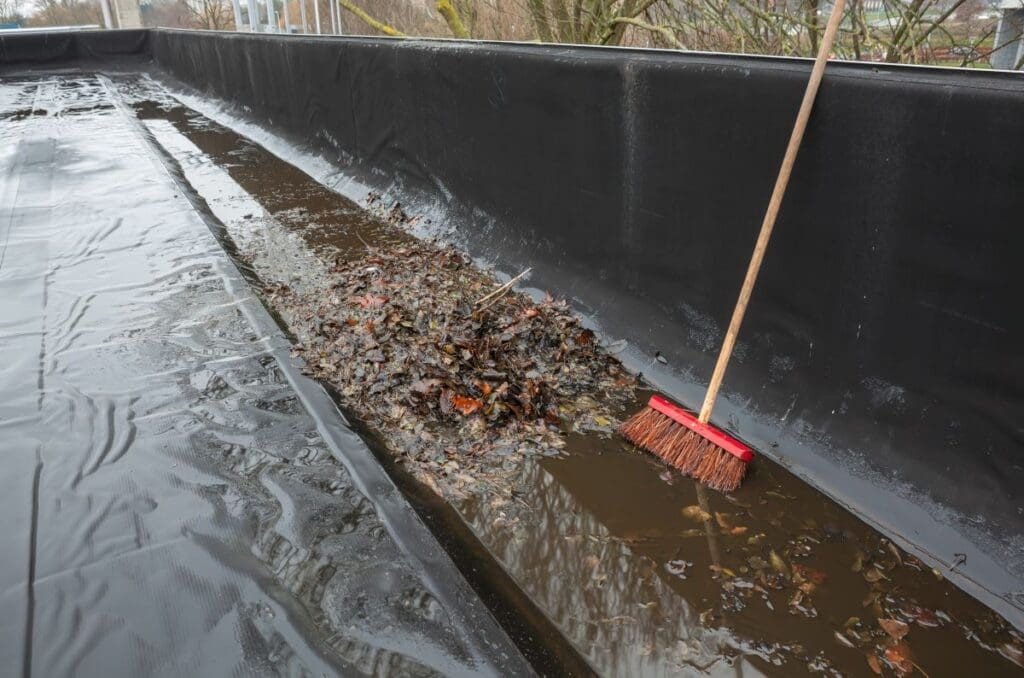
Like any roofing component, roof scuppers require regular maintenance and inspection. Ignoring drainage issues can lead to serious roofing damage over time.
Property owners should understand the most common warning signs that indicate a roof scupper problem may be developing.
Clogs and Debris Buildup
Leaves, dirt, branches, trash, and roofing debris can obstruct water flow through scuppers.
Blocked drainage openings often lead to:
- Water ponding
- Overflow during storms
- Increased roof stress
- Interior leaks
Routine cleaning is one of the simplest ways to prevent expensive roofing issues.
Rust and Corrosion
Metal scuppers can deteriorate over time due to constant exposure to moisture and weather conditions.
Signs of corrosion may include:
- Rust staining
- Cracks or holes
- Loose joints
- Water dripping along walls
Corrosion weakens drainage components and can eventually lead to failure if not addressed promptly.
Improper Installation
Poorly designed or improperly installed roof scuppers may struggle to handle water volume effectively.
Installation issues may involve:
- Incorrect sizing
- Poor placement
- Inadequate slope
- Weak flashing connections
Professional installation is essential for ensuring proper drainage performance.
Leaks Around the Scupper Area
Leaks frequently occur where the roof membrane meets the scupper opening. Damaged flashing or sealants can allow water to enter beneath the roofing system.
Common warning signs include:
- Interior ceiling stains
- Water near exterior walls
- Membrane bubbling
- Soft insulation areas
Early repairs can often prevent far more extensive damage later.
Ice Buildup During Winter
Cold weather can create additional challenges for commercial roof drainage systems.
Ice accumulation around scuppers may:
- Restrict water flow
- Increase ponding risk
- Damage drainage components
- Contribute to leaks
Regular winter inspections help identify drainage concerns before major storms arrive.
Roof Scuppers vs. Other Commercial Roof Drainage Systems
Roof scuppers are just one type of drainage solution used on commercial buildings. Depending on roof design and building structure, contractors may recommend different systems or combinations of drainage methods.
Understanding the differences can help property owners make informed decisions about roofing upgrades or repairs.
Roof Scuppers
Roof scuppers are installed through parapet walls or roof edges and allow water to drain outward.
Best suited for:
- Flat roofs
- Low-slope roofing systems
- Buildings with parapet walls
- Large commercial structures
Advantages include:
- Simple design
- Easy visual inspection
- Cost-effective drainage
- Reliable overflow protection
Interior Roof Drains
Interior drains collect water and route it through internal piping systems within the building.
These systems are commonly used on:
- Large office buildings
- Multi-story structures
- Industrial facilities
Benefits include:
- Hidden drainage components
- Reduced exterior ice buildup
- Controlled water routing
However, clogged interior drains can be harder to detect and may cause hidden water damage inside walls or ceilings.
Gutters and Downspouts
Traditional gutter systems are more common on sloped roofing systems but may also appear on some low-slope commercial buildings.
They help direct water away from:
- Roof edges
- Foundations
- Walkways
- Landscaping
While effective in many situations, gutters often require more routine cleaning due to debris accumulation.
Comparison Table
| Drainage System | Best For | Main Advantage | Potential Drawback |
| Roof Scuppers | Flat roofs with parapet walls | Simple and visible drainage | Can clog if neglected |
| Interior Drains | Large multi-story buildings | Hidden water routing | Harder to inspect |
| Gutters and Downspouts | Sloped roofs | Familiar and cost-effective | Debris buildup risk |
The right drainage solution depends on the building’s design, climate conditions, and long-term maintenance strategy.
Maintenance Tips to Keep Roof Scuppers Working Properly
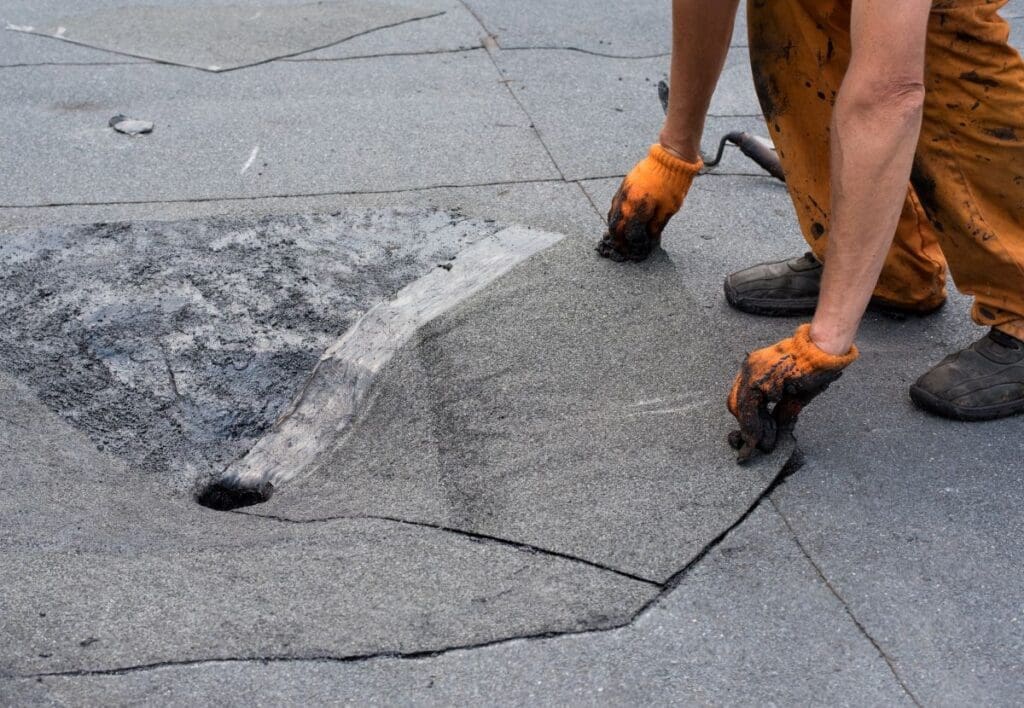
Routine maintenance is one of the most important parts of protecting commercial roofing systems. Even high-quality drainage systems can fail if neglected for long periods.
Property owners who prioritize preventive maintenance often experience fewer roofing emergencies and lower long-term repair costs.
Schedule Regular Roof Inspections
Professional inspections help identify drainage issues before they become severe.
Inspections should typically include:
- Scupper condition checks
- Flashing evaluations
- Membrane inspections
- Drainage flow testing
- Debris assessments
In Morristown and surrounding areas, seasonal inspections are especially important due to changing weather conditions throughout the year.
Remove Debris Frequently
Debris buildup is one of the leading causes of drainage problems on flat roofs.
Routine cleaning should focus on:
- Leaves
- Dirt accumulation
- Branches
- Trash
- Roofing granules
Keeping drainage pathways clear helps water move off the roof efficiently during storms.
Monitor for Water Ponding
Standing water is often an early indicator of drainage problems.
Property owners should watch for:
- Persistent puddles
- Sagging roof sections
- Discoloration
- Membrane deterioration
Addressing ponding quickly can help prevent major structural damage.
Inspect Flashing and Sealants
The area surrounding roof scuppers is particularly vulnerable to leaks if flashing becomes damaged.
Important inspection points include:
- Cracked sealants
- Loose flashing
- Separation points
- Rusted metal edges
Small repairs completed early are usually far less expensive than major leak remediation projects.
Work With Experienced Roofing Professionals
Commercial drainage systems should always be evaluated and repaired by qualified roofing contractors.
Experienced professionals can help:
- Identify hidden drainage concerns
- Recommend appropriate upgrades
- Improve roof performance
- Extend roof lifespan
- Ensure proper code compliance
Professional guidance helps property owners avoid costly mistakes and maintain reliable roof protection.
Protect Your Commercial Roof With Proper Drainage Solutions
A roof scupper may seem like a small part of a commercial roofing system, but it plays a major role in protecting the entire building from water damage, structural deterioration, and costly repairs. Proper drainage helps preserve roofing materials, improve energy efficiency, and reduce long-term maintenance expenses. Whether your property already has roof scuppers or may need drainage improvements, proactive maintenance and professional inspections can make a significant difference in overall roof performance.
If you have concerns about drainage issues, ponding water, or aging roofing components, Weathertite Solutions is here to help. Our team provides expert guidance, inspections, repairs, and long-term roofing solutions for commercial properties in Morristown and surrounding areas. To learn more about protecting your property and improving roof drainage performance, contact us today and schedule a consultation with Weathertite Solutions.