
Commercial property owners need roofing systems that balance durability, cost efficiency, and long-term performance. Rubber roofing has become one of the most widely used solutions for flat and low-slope commercial roofs because it offers dependable weather resistance and relatively low maintenance requirements. Understanding how rubber roofing systems work can help property owners make informed decisions about protecting their buildings and managing long-term operating costs. Whether you own a warehouse, office building, or retail property, learning more about durable roofing systems for commercial properties can help you better evaluate your roofing options.
In this guide, you’ll learn:
- What rubber roofing systems are and how they work
- The major advantages and disadvantages of rubber roofing
- Which commercial properties benefit most from rubber roofing
- How rubber roofing compares to other commercial roof systems
- Maintenance tips that help extend roof lifespan
Why Rubber Roofing Remains a Popular Commercial Roofing Choice
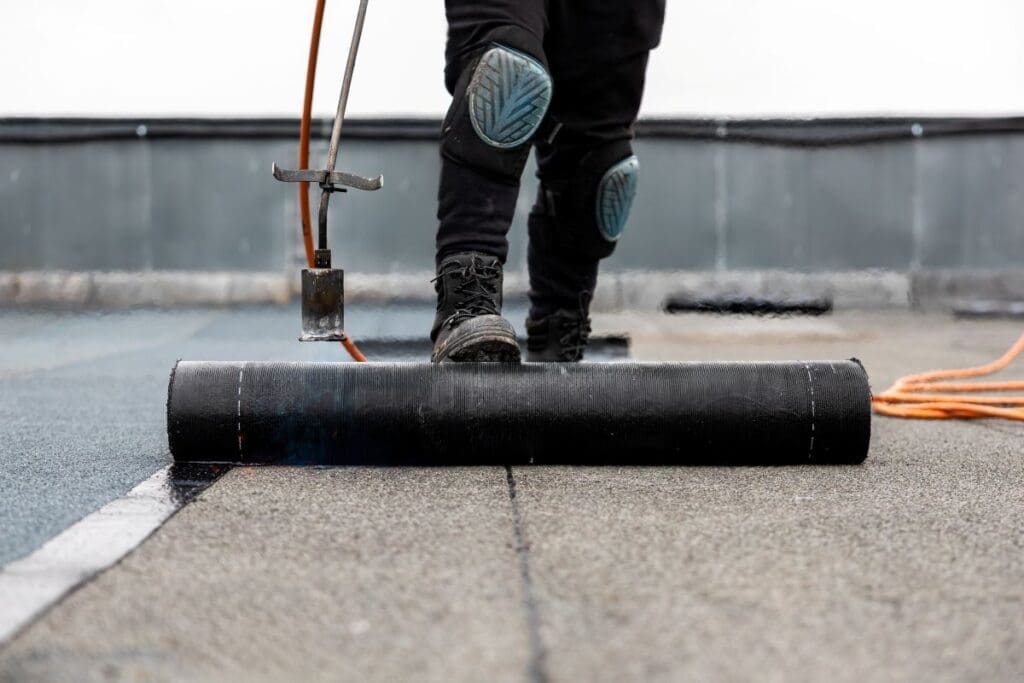
Commercial roofing systems must withstand constant exposure to weather, UV radiation, temperature changes, and moisture. Rubber roofing has remained a leading option for decades because it provides reliable performance across a wide range of building types and climates.
Most commercial rubber roofing systems are made from EPDM, or ethylene propylene diene monomer, a highly durable synthetic rubber membrane designed for low-slope roofing applications.
In New Brunswick and surrounding areas, many property owners choose rubber roofing because of its durability, affordability, and flexibility during seasonal weather changes.
Some of the key reasons rubber roofing remains so widely used include:
- Weather Resistance: Rubber roofing performs well against rain, snow, hail, and UV exposure.
- Long Lifespan: Properly maintained EPDM systems can last for decades.
- Flexibility: Rubber membranes expand and contract effectively during temperature fluctuations.
- Cost Efficiency: Installation and maintenance costs are often lower than some alternative systems.
- Low Maintenance Needs: Fewer seams and durable materials help reduce repair frequency.
For many commercial buildings, rubber roofing provides a practical balance between performance and long-term value.
5 Pros and Cons of Rubber Roofing Systems
Every roofing material has strengths and limitations. Understanding both sides of rubber roofing systems can help property owners determine whether this solution aligns with their building needs and budget priorities.
1. Pro: Excellent Durability
One of the biggest advantages of rubber roofing is its ability to withstand long-term weather exposure. EPDM membranes are highly resistant to UV rays, moisture, and thermal movement.
Durability benefits often include:
- Resistance to cracking
- Strong performance during temperature swings
- Reduced UV deterioration
- Good hail resistance
This flexibility allows rubber roofing to perform well in regions with changing seasonal conditions.
For commercial properties in New Brunswick and surrounding areas, weather durability is often a major consideration when selecting roofing materials.
2. Pro: Cost-Effective Installation
Rubber roofing is generally more affordable to install than some premium commercial roofing systems. The material itself is often competitively priced, and installation processes can be relatively efficient.
Potential financial advantages include:
- Lower upfront material costs
- Reduced labor time
- Fewer structural modifications
- Lower long-term maintenance expenses
For large commercial buildings, cost savings can become significant due to the amount of roofing area involved.
3. Pro: Strong Waterproofing Performance
Rubber roofing membranes are designed to provide reliable moisture protection for flat and low-slope roofs.
Properly installed systems help prevent:
- Roof leaks
- Moisture infiltration
- Insulation saturation
- Interior water damage
Seam placement and flashing details remain critical, but overall waterproofing performance is one of the reasons rubber roofing remains so popular.
4. Con: Vulnerability to Punctures
Although rubber roofing is durable, it can still be punctured by sharp objects or excessive rooftop traffic.
Potential risks include:
- Tool drops during maintenance
- Debris damage
- Foot traffic wear
- Equipment installation accidents
Buildings with frequent rooftop activity may require additional walkway protection or reinforced membrane areas.
5. Con: Seam Issues Over Time
EPDM roofing systems contain seams where membrane sections connect. Over time, seams may weaken due to aging, weather exposure, or improper installation.
Problems can include:
- Seam separation
- Adhesive deterioration
- Moisture intrusion
- Leak development
Routine inspections help identify seam issues before major damage occurs.
Best Commercial Applications for Rubber Roofing Systems
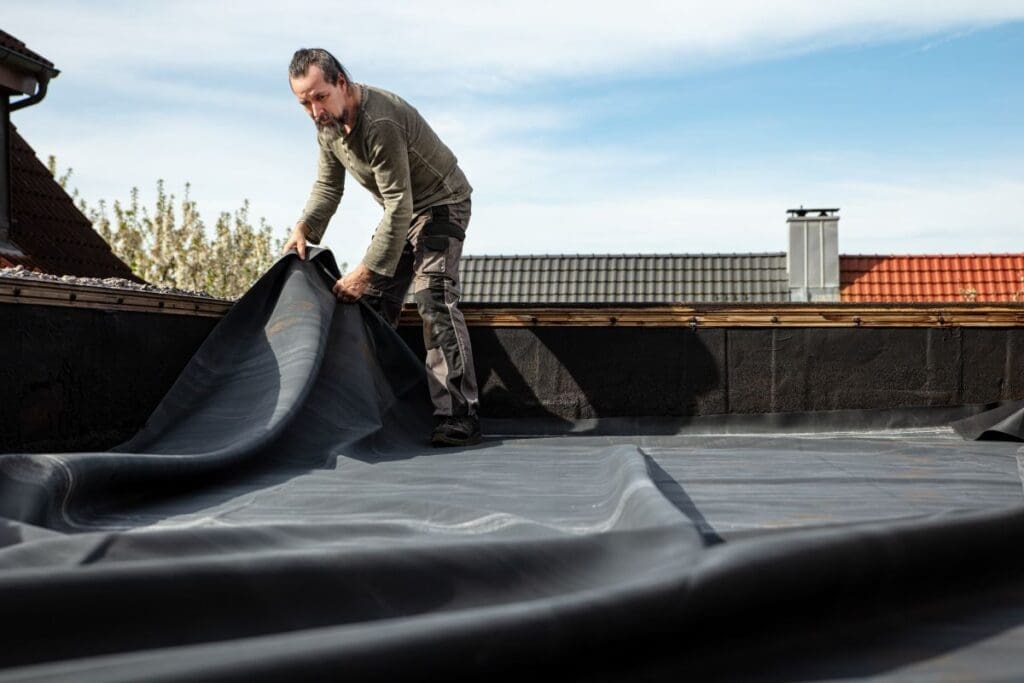
Rubber roofing performs particularly well on certain types of commercial properties. Understanding where EPDM systems excel can help property owners determine whether this roofing option is the right fit.
1. Warehouses and Industrial Buildings
Large industrial facilities often benefit from rubber roofing because of its affordability and durability over expansive roof surfaces.
Industrial buildings typically require:
- Long-lasting weather protection
- Cost-effective coverage
- Minimal maintenance disruption
- Reliable waterproofing
EPDM roofing helps meet those needs while remaining relatively economical for large-scale installations.
2. Office Buildings
Office buildings frequently use low-slope roofing systems that work well with rubber membranes.
Benefits for office properties may include:
- Long-term durability
- Reduced maintenance interruptions
- Reliable insulation support
- Strong moisture resistance
Maintaining a watertight roofing system is especially important for protecting office interiors, equipment, and tenant spaces.
3. Retail Centers
Retail buildings require dependable roofing systems that minimize operational disruptions and protect tenants from water damage.
Rubber roofing can support:
- Leak prevention
- Lower maintenance costs
- Long service life
- Fast installation timelines
For retail centers in New Brunswick and surrounding areas, minimizing business interruptions during roofing projects is often a top priority.
4. Educational and Institutional Buildings
Schools, municipal buildings, and institutional properties often prioritize roofing systems that offer predictable maintenance and long-term value.
Rubber roofing systems may help provide:
- Budget-friendly installation
- Long-term performance
- Ease of repair
- Consistent durability
Public and institutional facilities frequently benefit from roofing systems with manageable long-term maintenance needs.
5. Roof Restoration Projects
In some cases, rubber roofing systems can be installed during restoration projects where complete tear-offs are unnecessary.
This may reduce:
- Disposal expenses
- Labor costs
- Construction timelines
- Operational disruption
Restoration opportunities depend on the condition of the existing roofing system and structural integrity beneath the roof surface.
Comparing Rubber Roofing to Other Commercial Roofing Systems
Property owners often compare rubber roofing with other commercial roofing materials before making a final decision. Each system offers unique advantages depending on the building, climate, and operational goals.
Understanding the differences helps support more informed roofing decisions.
Rubber Roofing vs. TPO Roofing
TPO roofing has gained popularity because of its reflective surface and energy efficiency benefits.
| Feature | Rubber Roofing (EPDM) | TPO Roofing |
| Flexibility | Excellent | Good |
| UV Resistance | Strong | Strong |
| Heat Reflectivity | Lower with black EPDM | High |
| Seam Strength | Adhesive-based seams | Heat-welded seams |
| Cost | Often lower | Moderate |
EPDM is often valued for durability and flexibility, while TPO is frequently selected for energy efficiency goals.
Rubber Roofing vs. PVC Roofing
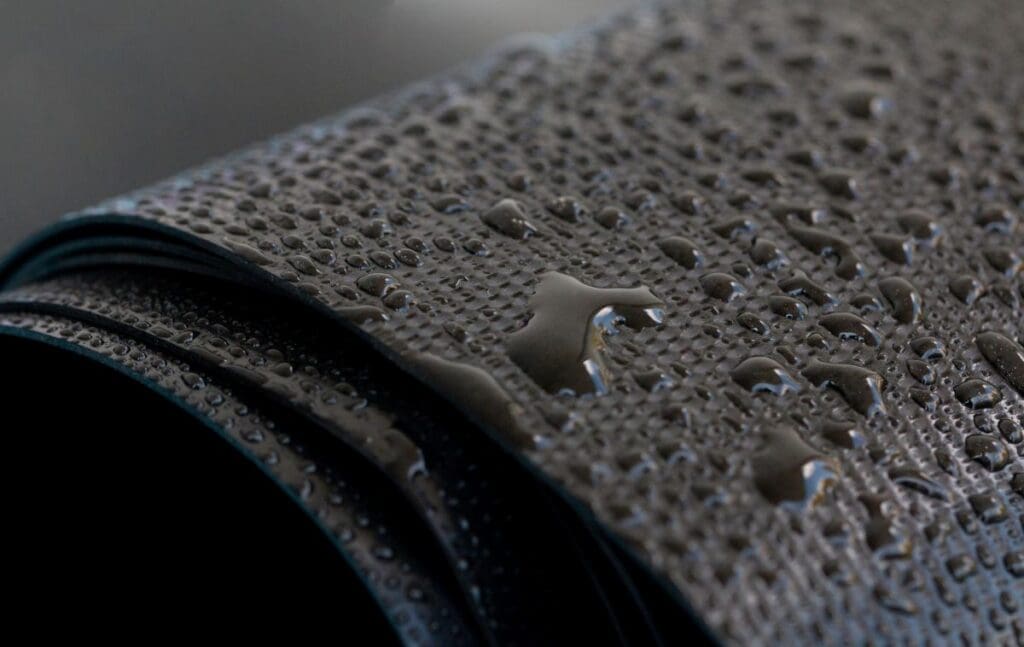
PVC roofing systems are known for chemical resistance and seam durability.
Key differences include:
- PVC seams are heat welded
- EPDM offers greater flexibility in cold weather
- PVC generally costs more
- EPDM may be easier to repair in some situations
Each system performs well when properly installed and maintained.
Rubber Roofing vs. Metal Roofing
Metal roofing systems are commonly used on sloped commercial roofs.
Compared to metal roofing, rubber roofing typically offers:
- Lower installation costs
- Better suitability for flat roofs
- Simpler maintenance
- Reduced noise during storms
Metal roofing may offer longer lifespans in some applications, but flat roofs often perform better with membrane systems like EPDM.
Choosing the Right Roofing System
The best roofing material depends on several factors, including:
- Roof design
- Building usage
- Energy efficiency goals
- Budget
- Climate conditions
- Long-term maintenance expectations
Professional roof evaluations help identify the most appropriate system for each property.
Maintenance Tips That Help Extend Rubber Roof Lifespan
Even durable roofing systems require maintenance to maximize performance and longevity. Property owners who invest in preventive maintenance often avoid costly repairs and premature roof replacement.
Schedule Routine Roof Inspections
Regular inspections help identify small issues before they become major problems.
Professional inspections should evaluate:
- Membrane condition
- Seam integrity
- Flashing performance
- Drainage systems
- Rooftop penetrations
Commercial roofs should typically be inspected at least twice per year and after major storms.
Keep Drainage Systems Clear
Flat roofs rely heavily on proper drainage performance. Blocked drains or scuppers can lead to standing water that increases roofing stress.
Drainage maintenance should include:
- Removing debris
- Clearing drains
- Inspecting scuppers
- Monitoring ponding water
Water buildup is one of the most common causes of commercial roofing deterioration.
Limit Rooftop Traffic
Unnecessary rooftop traffic increases the risk of membrane punctures and surface wear.
Property owners should consider:
- Designated walkway pads
- Controlled access points
- Protective mats around equipment
- Regular rooftop safety protocols
Protecting high-traffic areas can significantly extend roof lifespan.
Address Repairs Quickly
Small roofing issues often become much larger problems if ignored.
Prompt repairs help prevent:
- Interior water damage
- Structural deterioration
- Mold growth
- Insulation damage
Early intervention is usually far less expensive than major restoration work.
Work With Experienced Commercial Roofing Contractors
Commercial roofing systems require specialized expertise. Experienced contractors understand how to properly install, inspect, and repair EPDM roofing systems.
Professional roofing teams can help:
- Identify hidden problems
- Recommend maintenance strategies
- Improve drainage performance
- Extend roof lifespan
- Reduce long-term repair costs
For commercial properties in New Brunswick and surrounding areas, partnering with experienced roofing professionals can help ensure reliable long-term protection.
How Climate and Building Design Affect Rubber Roofing Performance
Not every commercial roof faces the same environmental conditions. Climate exposure and building design both influence how well rubber roofing systems perform over time.
Understanding these factors helps property owners make smarter roofing decisions.
Temperature Fluctuations
Rubber roofing performs well in areas with changing seasonal temperatures because EPDM membranes remain flexible during expansion and contraction cycles.
This flexibility helps reduce:
- Cracking
- Membrane splitting
- Thermal stress damage
Buildings exposed to significant temperature swings often benefit from EPDM’s elasticity.
Roof Slope and Drainage Design
Rubber roofing systems are most commonly used on flat and low-slope roofs where water drainage requires careful management.
Proper roof design should include:
- Functional drainage systems
- Adequate slope
- Well-designed flashing
- Overflow protection
Drainage issues can shorten the lifespan of any roofing material if left unresolved.
UV Exposure
Constant sun exposure gradually affects all roofing systems over time.
EPDM membranes are designed to resist UV degradation, helping preserve roofing performance despite prolonged sunlight exposure.
However, routine inspections remain important to monitor aging and surface wear.
Protect Your Commercial Property With the Right Roofing System
Rubber roofing continues to be one of the most dependable and cost-effective solutions for commercial flat and low-slope roofs. Its durability, flexibility, waterproofing performance, and relatively low maintenance requirements make it a strong option for many commercial property owners. While every roofing system has advantages and limitations, understanding how rubber roofing performs can help you make informed decisions that support long-term building protection and financial stability.
If you are considering a rubber roofing system for your commercial property, Weathertite Solutions can help you evaluate your building’s needs and recommend the best roofing approach for long-term performance. Our team proudly serves New Brunswick and surrounding areas with professional inspections, repairs, replacements, and maintenance solutions designed to protect your investment. To learn more about your commercial roofing options and schedule a consultation, contact us today and speak with the experts at Weathertite Solutions.