
A coating can add a decade or more to a commercial membrane, but only when it goes on the right way. Skipped prep, the wrong chemistry, or a thin application can turn a smart investment into a peeling mess within a couple of seasons. Following proven best practices for roof coating for flat roofs is what separates a restoration that lasts from one that fails early. If you are weighing restoration against replacement, learning how coatings fit into a complete commercial roofing plan is a practical place to begin.
Here’s what you’ll learn in this guide:
- Why coating is such an effective strategy for aging flat roof membranes
- Seven best practices that determine whether a coating performs or fails
- How to match coating chemistry to your roof’s condition and drainage
- The most common application mistakes and how to prevent them
- What to confirm with a contractor before any coating work begins
Why Coating Is a Smart Move for Aging Flat Roofs
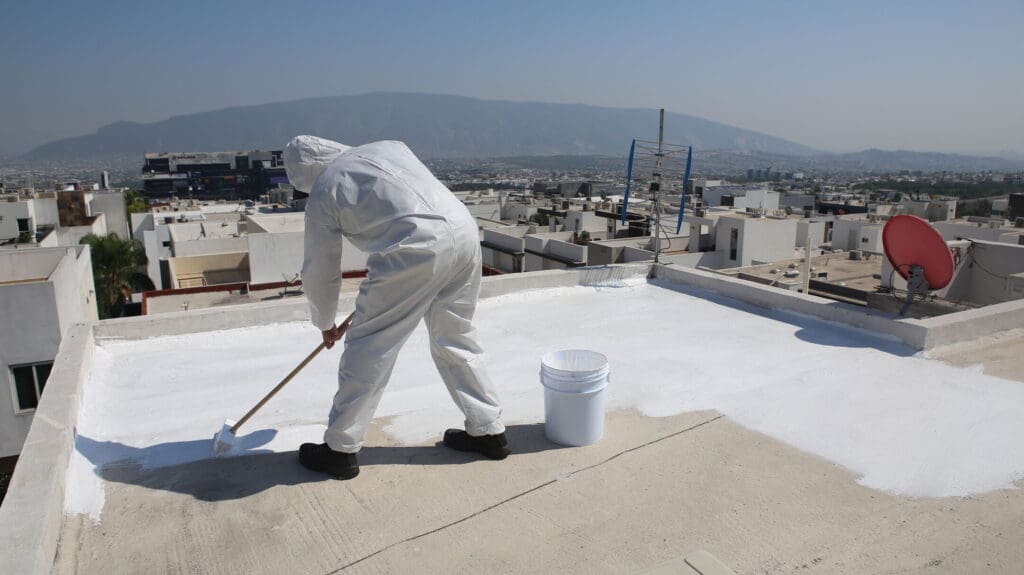
Flat and low-slope roofs take a harder beating than most property owners realize. Sun, standing water, thermal movement, and rooftop foot traffic wear down membranes steadily, and by the time leaks appear, the damage is often well underway. Across Pennsylvania and surrounding areas, freeze-thaw cycling adds another layer of stress, opening small cracks that grow larger with every winter.
A fluid-applied coating gives that aging surface a second life. It bonds to the existing membrane, seals minor imperfections, and creates a fresh waterproof layer without the cost and disruption of a full tear-off. The key phrase is “when done right,” because coating performance depends almost entirely on the quality of the process behind it.
- Lower cost than replacement: A professionally applied coating typically costs a fraction of full roof replacement per square foot, which frees capital for other building needs.
- Extended service life: A sound membrane that receives the right coating can gain 10 to 20 years of additional performance before major work is required.
- Reduced energy use: Reflective coatings lower rooftop surface temperatures, which reduces cooling demand during the hottest months.
- Minimal disruption: Most coating projects happen without tear-off, heavy equipment, or extended interruptions to tenants and daily operations.
- Waste reduction: Keeping an existing membrane in service avoids sending tons of roofing material to a landfill.
7 Best Practices for Roof Coating on Flat Roofs
The steps below reflect what separates long-lasting coating projects from the ones that need to be redone. Each practice addresses a specific failure point, and skipping any of them puts the entire investment at risk.
1. Start With a Full Roof Assessment
Every successful coating project begins with an honest evaluation of the roof as it exists today. Coating is a restoration tool, not a repair for a failed system. If the membrane is structurally compromised or the insulation beneath it is saturated, no coating will fix that underlying condition.
- Walk the entire roof surface and document blisters, cracks, open seams, punctures, and ponding areas
- Check flashings at every penetration, curb, and parapet wall for separation or deterioration
- Identify the existing membrane type, since it determines which primers and coatings are compatible
- Record drainage patterns so problem areas can be addressed before coating begins
2. Confirm the Substrate Is Dry With Moisture Scanning
Trapped moisture is the quiet destroyer of coating projects. A coating applied over wet insulation seals that water in, where it causes blistering, adhesion loss, and continued deterioration of the roof assembly. Visual inspection alone cannot reveal moisture hidden beneath the surface.
- Infrared scanning, nuclear gauges, or capacitance meters can locate wet insulation across large roof areas
- Wet sections should be cut out and replaced before any coating is applied
- If saturation is widespread, replacement is usually the more economical path than coating
3. Complete All Repairs Before Coating
A coating is not a patch. Open seams, punctures, failed flashings, and blistered areas must be properly repaired first, using materials compatible with both the existing membrane and the coating system. Coating over unrepaired damage simply hides the problem until it breaks through again.
- Reinforce seams and penetration flashings with fabric and compatible mastic where specified
- Replace deteriorated sealant around curbs, pipes, and edge metal
- Correct low spots or drainage problems that cause chronic ponding, since even ponding-tolerant coatings last longer on a roof that drains well
4. Clean and Prepare the Surface Thoroughly
Surface preparation is the single biggest factor in coating adhesion. Dirt, oxidation, biological growth, and chalking residue all act as bond breakers between the coating and the membrane. A roof that looks clean from a distance can still have a film that prevents proper adhesion.
- Pressure wash the roof with appropriate detergent to remove dirt, mildew, and surface contamination
- Allow the roof to dry completely before priming or coating
- Treat oxidized or chalky surfaces according to manufacturer requirements to create a bondable profile
- Test adhesion on a small area before committing to the full roof
5. Use the Right Primer for the Membrane Type
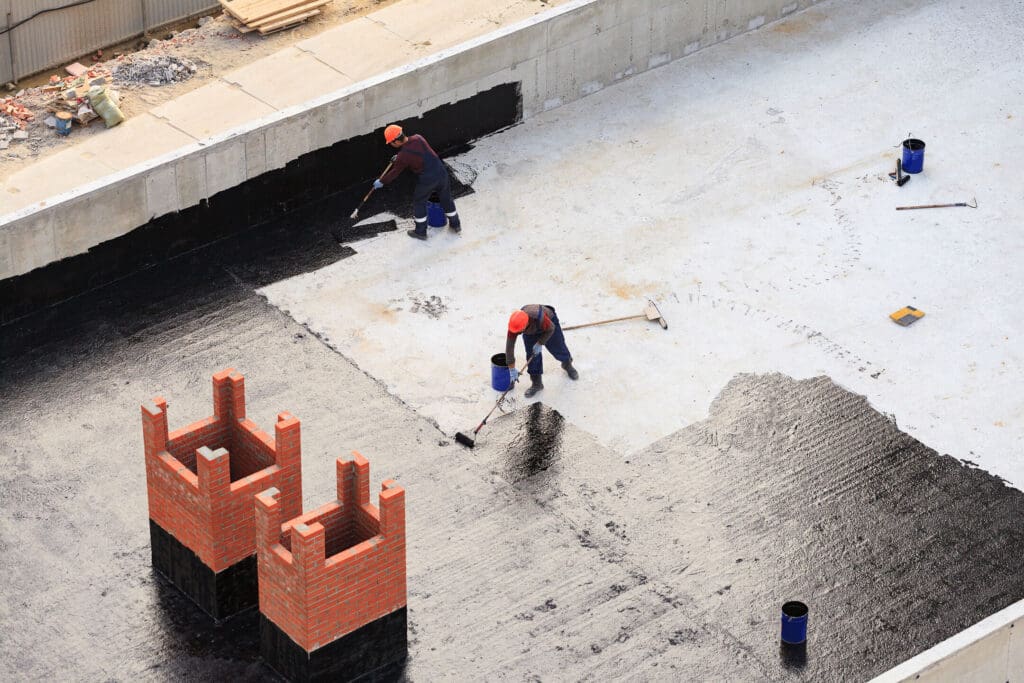
Different membranes require different primers. EPDM, TPO, modified bitumen, built-up roofing, and metal all have unique surface chemistry, and a primer that works on one can fail on another. Skipping primer on a surface that requires it is one of the most common causes of early delamination.
- Follow the coating manufacturer’s primer requirements for the specific substrate
- Apply primer at the specified coverage rate and allow the full cure time before topcoating
- Never assume a universal primer is appropriate without confirming compatibility in writing
6. Apply Coating at the Specified Thickness
Manufacturer warranties and performance claims assume a minimum dry film thickness, usually measured in mils. A coating applied too thin will not deliver its rated lifespan, no matter how good the product is. Most commercial specifications require multiple coats to reach the target thickness.
- Calculate material quantities based on actual roof area and specified coverage rates, not guesswork
- Apply in even passes, allowing proper recoat windows between layers
- Verify thickness with wet film gauges during application and document the results
- Embed reinforcing fabric at seams and flashings where the system calls for it
7. Schedule Maintenance After Installation
A coating is not a one-time event. Even the best systems benefit from regular inspection and occasional touch-ups that catch small issues before they spread. Commercial properties across Pennsylvania and surrounding areas see the best long-term results when coating is paired with a consistent maintenance schedule.
- Inspect the roof twice per year, in spring and fall, and after major storms
- Keep drains, scuppers, and gutters clear of debris to prevent standing water
- Limit rooftop traffic and use walkway protection in high-use paths
- Document every inspection and repair to support warranty claims
Choosing the Right Coating Chemistry
Not every coating suits every roof. The right choice depends on the existing membrane, how well the roof drains, budget, and the kind of wear the surface will face. Understanding the main options helps you evaluate contractor recommendations with confidence.
Acrylic Coatings
Acrylic is water-based, reflective, and the most budget-friendly option. It performs well on roofs that drain completely after rain, but it can soften and erode when exposed to standing water for long periods. It also tends to chalk over time and may need recoating more often than other chemistries.
Silicone Coatings
Silicone handles ponding water exceptionally well and holds up under intense UV exposure without breaking down. It costs more per square foot than acrylic, but its longevity and tolerance for drainage issues make it a strong choice for roofs that hold water. Once applied, silicone generally cannot be painted over or recoated with other chemistries.
Polyurethane Coatings
Polyurethane offers excellent abrasion and impact resistance, which makes it a good fit for roofs with regular foot traffic from mechanical service. It carries a higher material cost and is often applied as a base coat with a UV-stable topcoat above it.
Asphalt-Based Coatings
Asphalt-based products are designed for compatibility with modified bitumen and built-up roofing systems. They are economical and effective on those substrates, but they are not suitable for single-ply membranes like TPO or EPDM.
Common Coating Mistakes and How to Avoid Them
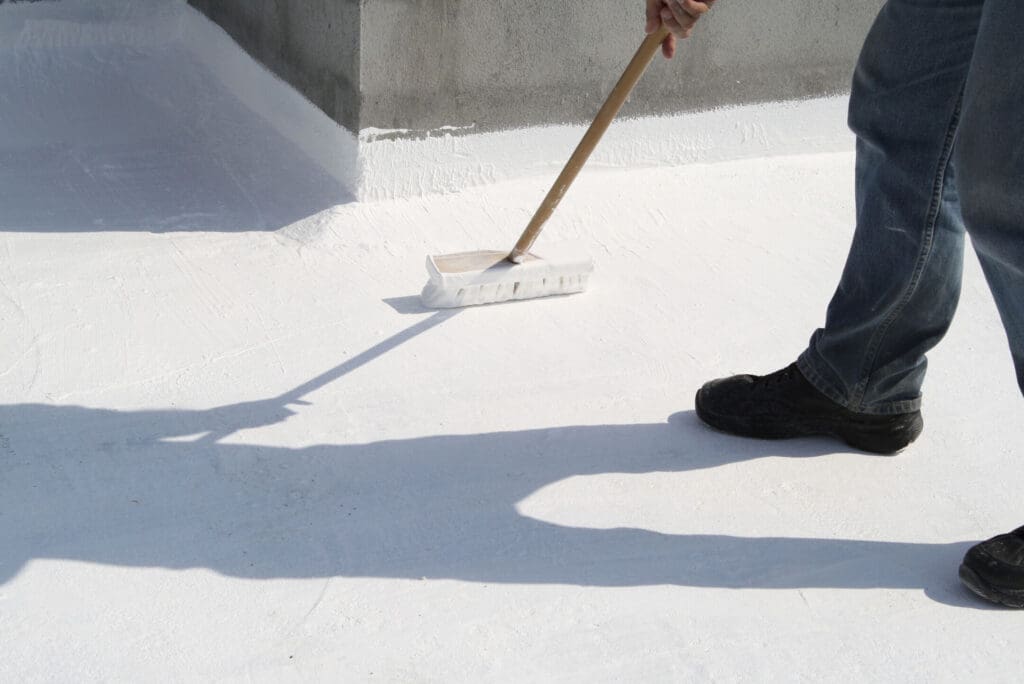
Even experienced property owners can be misled by proposals that look similar on paper but differ sharply in scope. Knowing the typical shortcuts helps you spot them before a contract is signed.
Weather and Timing Pitfalls
Coatings need the right conditions to cure properly. Applying in cold temperatures, high humidity, or ahead of rain can ruin adhesion and finish quality. In Pennsylvania and surrounding areas, the best application windows typically fall in late spring through early fall, when temperatures are steady and rainfall is more predictable.
Quick Reference: Mistakes and Prevention
| Common Mistake | What Happens | How to Prevent It |
| Skipping moisture scanning | Blistering and trapped water | Scan before any coating is applied |
| Inadequate surface cleaning | Poor adhesion and peeling | Pressure wash and test adhesion |
| Wrong primer or no primer | Early delamination | Match primer to membrane type |
| Applying too thin | Shortened lifespan, voided warranty | Verify mil thickness during application |
| Coating over open seams | Leaks continue beneath the coating | Complete repairs first |
| Ignoring drainage problems | Chronic ponding and premature wear | Correct slope or choose ponding-tolerant chemistry |
Questions Worth Asking Every Contractor
- What coating product and thickness are specified in the proposal?
- How will moisture in the roof assembly be evaluated?
- What surface preparation is included, and how is it verified?
- Is the application backed by a manufacturer warranty, and are you certified to install it?
Get Your Flat Roof Coating Done the Right Way
A well-executed coating protects your building, trims energy costs, and pushes back one of the largest capital expenses a property owner faces. A poorly executed one wastes money and leaves the roof in worse shape than before. The difference comes down to process, preparation, and the people doing the work.
Weathertite Solutions helps commercial property owners across Pennsylvania and surrounding areas evaluate whether coating is the right solution, then delivers the preparation and application standards that lasting results require. Whether you are exploring options for an aging membrane or want a second opinion on a proposal, we will give you an honest assessment of what your roof needs. Contact us today to schedule an inspection and find out how to get the most from your flat roof.