
A commercial roof warranty can protect your investment, reduce unexpected expenses, and provide peace of mind for property owners. Yet many building managers are unsure what their warranty actually covers until a problem arises. Understanding the details before you need them is critical. Whether you recently installed a new roofing system or are reviewing coverage on an older property in Edison and surrounding areas, working with experienced professionals helps ensure your roof is properly documented and protected from the start.
In this guide, you will learn:
- Why commercial roof warranties matter for property owners
- What is typically covered and what is excluded
- The difference between manufacturer and workmanship warranties
- Common issues that can void coverage
- How to confirm whether your roof is still under warranty
Why a Commercial Roof Warranty Matters
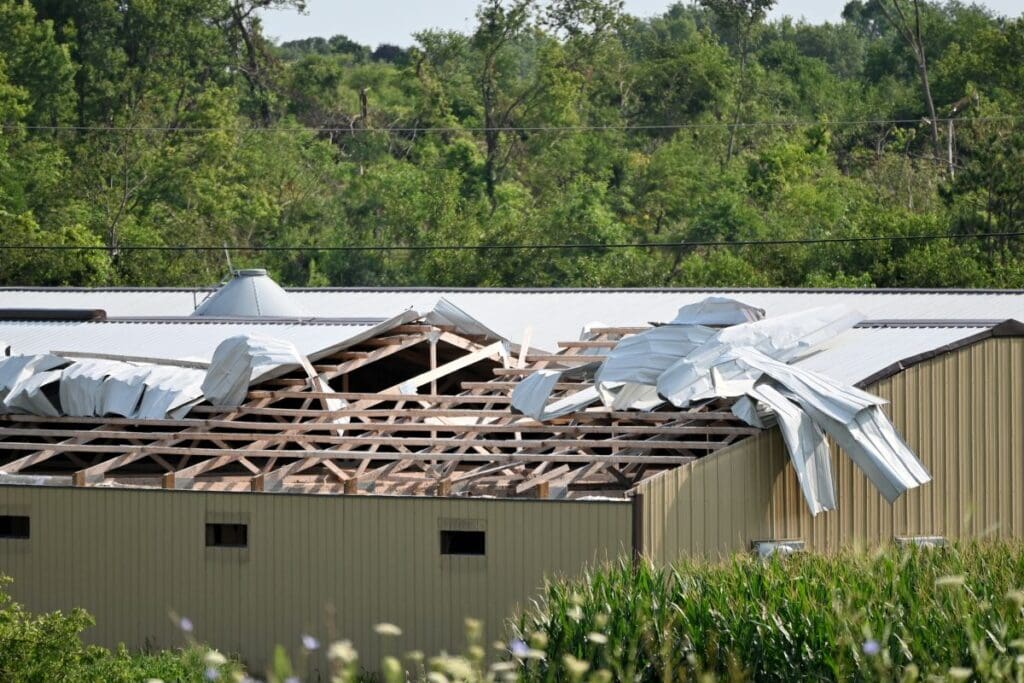
A commercial roofing system is one of the largest capital investments in any building. From flat membrane systems to metal or modified bitumen assemblies, these roofs are designed to last decades when properly installed and maintained. However, no roofing system is immune to defects, weather damage, or installation errors. That is where a clearly defined warranty becomes essential.
Key benefits of a commercial roof warranty include:
- Financial Protection: Reduces out of pocket expenses for covered defects or installation issues.
- Risk Management: Transfers certain risks to the manufacturer or contractor, depending on the warranty type.
- Asset Value Preservation: Maintains the building’s market value by documenting proper installation and coverage.
- Performance Assurance: Establishes clear standards for material durability and installation quality.
Ultimately, a warranty is more than paperwork. It is a structured agreement that outlines responsibility if something goes wrong.
5 Things Typically Covered Under a Commercial Roof Warranty
Not all warranties are the same. Coverage depends on the type of warranty, the roofing material, and the manufacturer’s specific terms. While each agreement varies, most commercial roof warranties include several common coverage areas.
1. Manufacturer Material Defects
Most commercial roofing systems come with a manufacturer’s warranty that covers defects in the roofing materials themselves. This means that if the membrane, insulation, or other specified components fail due to a manufacturing flaw, the manufacturer may cover repair or replacement costs.
Material defect coverage often includes:
- Premature membrane cracking or splitting
- Defective seams in single ply systems
- Faulty coating adhesion
- Insulation board failures
It is important to note that this type of warranty typically does not cover installation errors unless it is part of an enhanced system warranty.
2. Workmanship or Contractor Installation Errors
Separate from material coverage, some warranties include workmanship protection. This may be provided directly by the roofing contractor or bundled within a manufacturer approved system warranty.
Workmanship coverage generally addresses:
- Improper flashing installation
- Incorrect fastening methods
- Seam welding issues
- Poor detailing around penetrations
If a leak occurs because materials were installed incorrectly, this portion of the warranty determines who is responsible for repairs. Working with an experienced contractor in Edison and surrounding areas helps minimize the likelihood of workmanship related claims.
3. Leak Coverage for Specific Terms
Many commercial roof warranties are referred to as no dollar limit or system warranties. These agreements may cover leaks that occur due to either material defects or approved installation errors during the warranty period.
Typical coverage may include:
- Repair of covered leak sources
- Replacement of defective roofing components
- Labor costs associated with covered repairs
However, interior damage such as stained ceiling tiles, damaged inventory, or mold remediation is often excluded. Owners should review these terms carefully.
4. Wind Uplift Protection
Some warranties include wind speed coverage up to a specified rating. If the roof system was installed according to approved wind uplift standards, the manufacturer may provide protection if wind causes system failure within those limits.
Wind coverage may specify:
- Maximum covered wind speeds
- Required fastening patterns
- Edge metal compliance standards
In areas like Edison and surrounding areas where storms can bring strong winds, understanding wind uplift coverage is especially important.
5. Ponding Water Resistance
Flat commercial roofs are sometimes subject to standing water. Certain warranties cover damage related to ponding water if the roof was properly designed and installed.
However, many warranties exclude ponding if the roof was not engineered for proper drainage. This is why professional design and installation are critical at the outset.
Common Exclusions in a Commercial Roof Warranty
While warranties provide valuable protection, they also contain exclusions. Understanding what is not covered is just as important as knowing what is.
Common exclusions include:
- Damage from natural disasters beyond specified wind limits
- Neglect or lack of maintenance
- Unauthorized roof penetrations
- Alterations by other contractors
- Acts of vandalism
For example, if an HVAC contractor installs new rooftop equipment and damages the membrane without proper flashing, that area may no longer be covered. Routine maintenance documentation is also critical. Many manufacturers require periodic inspections to maintain warranty validity.
Types of Commercial Roof Warranties Explained
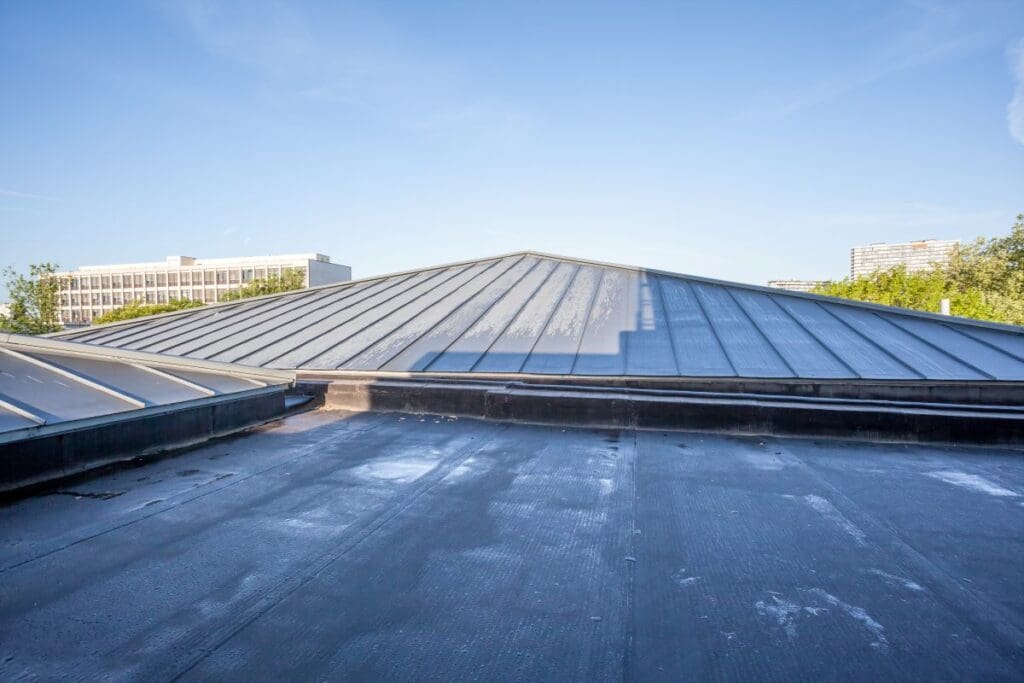
Before signing a roofing contract, building owners should understand the primary types of warranties available. Each offers a different level of protection.
Manufacturer Material Only Warranty
This is the most basic form of coverage. It protects against defects in the roofing materials but does not cover installation errors.
Best suited for:
- Budget conscious projects
- Buildings with in house maintenance teams
- Situations where contractor liability is handled separately
Contractor Workmanship Warranty
Offered by the roofing contractor, this warranty covers installation related defects for a specified period, often ranging from two to ten years.
Important considerations include:
- Contractor reputation and longevity
- Financial stability of the company
- Clear documentation of coverage terms
Full System or No Dollar Limit Warranty
This comprehensive option covers both materials and approved installation errors. It is often backed by the manufacturer and requires certified contractors.
Advantages include:
- Broader leak protection
- Defined repair responsibilities
- Long term coverage options such as 15, 20, or 30 years
For many property owners in Edison and surrounding areas, a full system warranty provides the highest level of confidence.
How to Maintain and Protect Your Warranty
Securing a warranty is only the first step. Protecting it requires ongoing attention and documentation.
Regular maintenance plays a major role in preserving coverage. Most manufacturers require periodic inspections and prompt repair of minor issues. Ignoring small punctures or clogged drains can jeopardize warranty claims.
Recommended steps include:
- Schedule annual professional roof inspections
- Keep written maintenance records
- Address minor damage immediately
- Restrict roof access to authorized personnel
- Document all modifications and penetrations
Proactive maintenance not only protects warranty coverage but also extends the life of the roofing system itself.
How to Confirm If Your Roof Is Still Under Warranty
Many property owners inherit buildings without clear warranty documentation. If you are unsure whether your roof is still covered, there are several steps you can take.
Review Installation Records
Start by locating original installation contracts, invoices, or warranty certificates. These documents typically outline the coverage term and conditions.
If records are missing, check with previous property owners or management companies.
Contact the Manufacturer
Most roofing manufacturers track warranty registrations by project address. Providing your building’s details may help confirm whether a warranty remains active.
Schedule a Professional Evaluation
A roofing professional can inspect the system, identify the manufacturer, and assess whether the installation appears compliant with warranty standards.
For property owners in Edison and surrounding areas, Weathertite Solutions can assist in reviewing documentation and helping determine whether your roof is still under warranty. This guidance is especially helpful if you are preparing for a sale, lease negotiation, or insurance review.
Comparing Warranty Options at a Glance
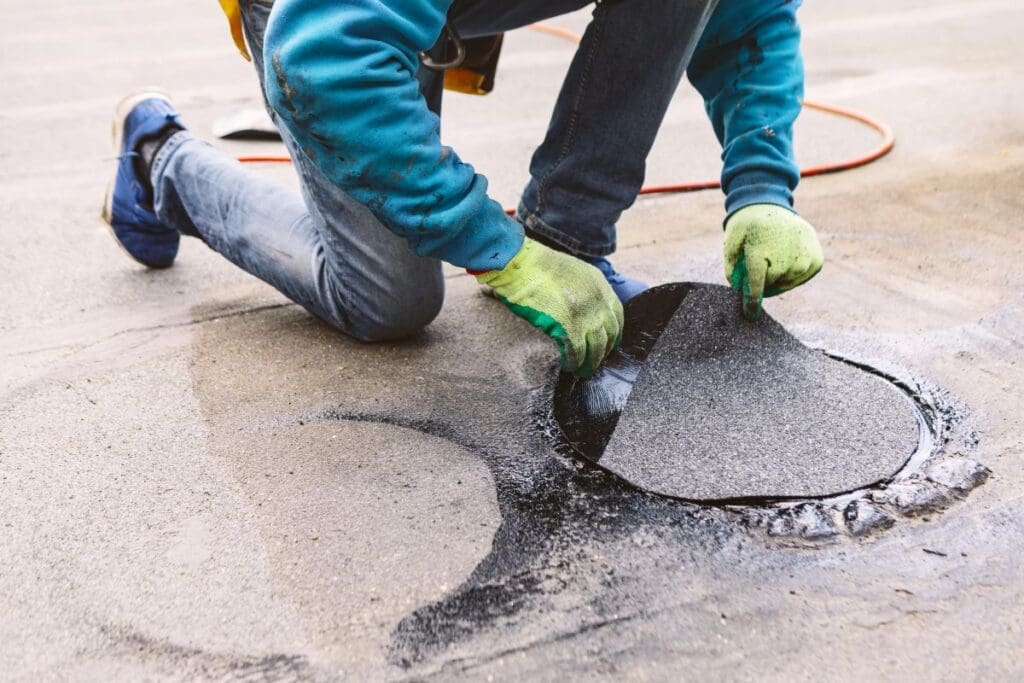
Below is a simplified comparison of common commercial roof warranty types:
Material Only Warranty
- Covers manufacturing defects
- Does not cover installation errors
- Typically lower cost
Workmanship Warranty
- Covers contractor installation issues
- Limited to contractor’s terms
- Duration varies by provider
Full System Warranty
- Covers materials and approved installation
- May include leak coverage
- Longer terms available
- Often requires certified installers
Understanding these distinctions allows building owners to choose coverage aligned with their risk tolerance and long term plans.
Protecting Your Investment with the Right Warranty
A commercial roof warranty is a critical component of protecting your building investment. It defines responsibility, reduces financial risk, and provides clarity when issues arise. However, not all warranties offer the same level of protection, and exclusions can significantly impact coverage.
Property owners in Edison and surrounding areas should review their warranty terms carefully and ensure ongoing maintenance is properly documented. If you are unsure about your coverage, need help reviewing warranty details, or are planning a new roofing project, contact us today to speak with the team at Weathertite Solutions. Our experienced professionals can help you understand your options, protect your warranty, and ensure your commercial roofing system performs as intended for years to come.