An industrial roof replacement is more than a construction project. It is a critical investment in facility safety, operational continuity, and long term asset protection. Warehouses, manufacturing plants, and distribution centers depend on durable roofing systems to safeguard equipment, inventory, and personnel. For property owners in Allentown and surrounding areas, planning ahead and working with experienced professionals helps ensure the replacement process is efficient, compliant, and built to last.
In this guide, you will learn:
- Why industrial roof replacement directly impacts facility safety
- Warning signs that indicate replacement is necessary
- 8 essential steps to ensure a smooth and secure project
- How to minimize operational disruptions during construction
- What to consider for long term performance and compliance
Why Industrial Roof Replacement Is Critical for Facility Safety
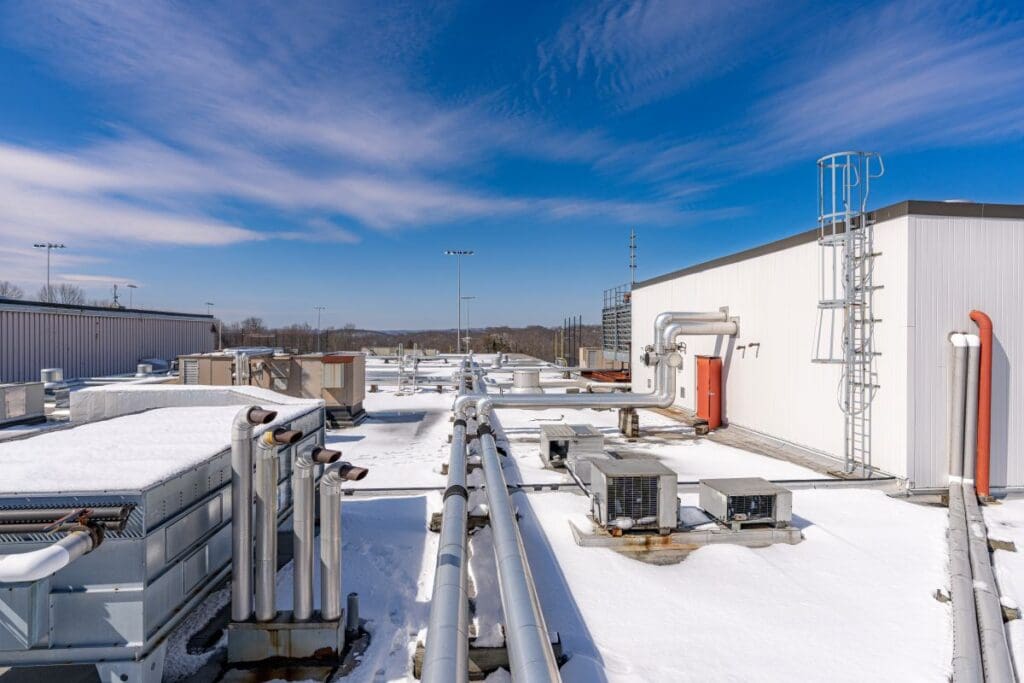
Industrial facilities operate under demanding conditions. Heavy machinery, high occupancy levels, sensitive inventory, and strict regulatory requirements all depend on a stable building envelope. When a roof begins to fail, the risks extend far beyond minor leaks.
Water intrusion can damage electrical systems, weaken structural components, and create hazardous working conditions. Mold growth, insulation deterioration, and interior slip hazards can all stem from a compromised roofing system. In Allentown and surrounding areas, seasonal storms, snow loads, and temperature fluctuations can accelerate roof deterioration if not properly addressed.
Replacing an aging or failing industrial roof offers several safety and operational benefits:
- Worker Protection: Prevents leaks that can create slip hazards, ceiling failures, or electrical risks.
- Asset Preservation: Protects machinery, raw materials, and finished goods from moisture damage.
- Regulatory Compliance: Supports OSHA standards and building code requirements for safe facilities.
- Operational Continuity: Reduces unplanned shutdowns caused by emergency repairs.
A proactive replacement strategy is far safer and more cost effective than waiting for a major failure.
8 Steps for a Safe and Successful Industrial Roof Replacement
A well planned industrial roof replacement involves careful coordination, thorough inspections, and strict adherence to safety standards. The following eight steps outline a structured approach to protecting both your facility and your workforce.
1. Conduct a Comprehensive Roof Assessment
Before planning a replacement, a detailed inspection must evaluate the current condition of the roofing system. This assessment identifies structural concerns, moisture infiltration, insulation damage, and membrane deterioration.
A professional evaluation typically includes:
- Core sampling to assess insulation saturation
- Infrared scanning to detect hidden moisture
- Structural deck inspection
- Review of flashing and penetration details
Understanding the full scope of deterioration allows facility managers to make informed decisions rather than relying on surface observations alone.
2. Review Structural Integrity and Load Capacity
Industrial buildings often span large areas with steel or concrete deck systems. Before installing a new roof, engineers must confirm that the structure can support the proposed materials and any additional insulation layers.
This step may involve:
- Load calculations for new membrane systems
- Evaluation of deck corrosion or fatigue
- Snow load analysis for winter conditions
In Allentown and surrounding areas, winter weather can place significant stress on wide span industrial roofs. Addressing structural concerns before installation ensures long term safety.
3. Select the Appropriate Roofing System
Choosing the right system is critical for performance and compliance. Industrial roofs may utilize TPO, PVC, EPDM, modified bitumen, or metal systems depending on facility needs.
Factors influencing system selection include:
- Chemical exposure from manufacturing processes
- Frequency of rooftop equipment maintenance
- Energy efficiency goals
- Fire resistance requirements
Matching the roofing system to the facility’s operational demands improves durability and reduces maintenance costs.
4. Develop a Detailed Safety Plan
Industrial roof replacement projects must prioritize worker and contractor safety. A comprehensive safety plan outlines procedures for fall protection, equipment staging, and site access control.
Key safety considerations include:
- Fall arrest systems and guardrails
- Designated material storage zones
- Restricted access areas for employees
- Clear communication protocols
By addressing safety planning early, facility managers reduce the risk of workplace accidents during construction.
5. Coordinate Around Facility Operations
Many industrial facilities operate continuously or on tight production schedules. Replacement projects must be carefully phased to minimize disruption.
Coordination strategies may include:
- Working in sections to maintain interior protection
- Scheduling high noise tasks during off peak hours
- Protecting sensitive equipment from debris
In Allentown and surrounding areas, experienced roofing teams understand how to manage logistics while maintaining operational continuity.
6. Remove and Dispose of Existing Materials Properly
Tear off procedures must comply with environmental regulations and disposal guidelines. Old roofing materials may contain contaminants or require specific handling procedures.
Proper removal involves:
- Safe debris containment
- Recycling of eligible materials
- Responsible landfill disposal
- Protection of interior spaces during tear off
Adhering to environmental standards protects both workers and the surrounding community.
7. Install the New Roofing System to Manufacturer Standards
Correct installation is essential for warranty compliance and long term performance. Certified installers follow strict guidelines regarding seam welding, fastening patterns, and flashing details.
Quality control measures include:
- On site supervision
- Seam testing and inspections
- Verification of insulation placement
- Documentation for warranty registration
A professionally installed system reduces the likelihood of premature failure.
8. Final Inspection and Ongoing Maintenance Planning
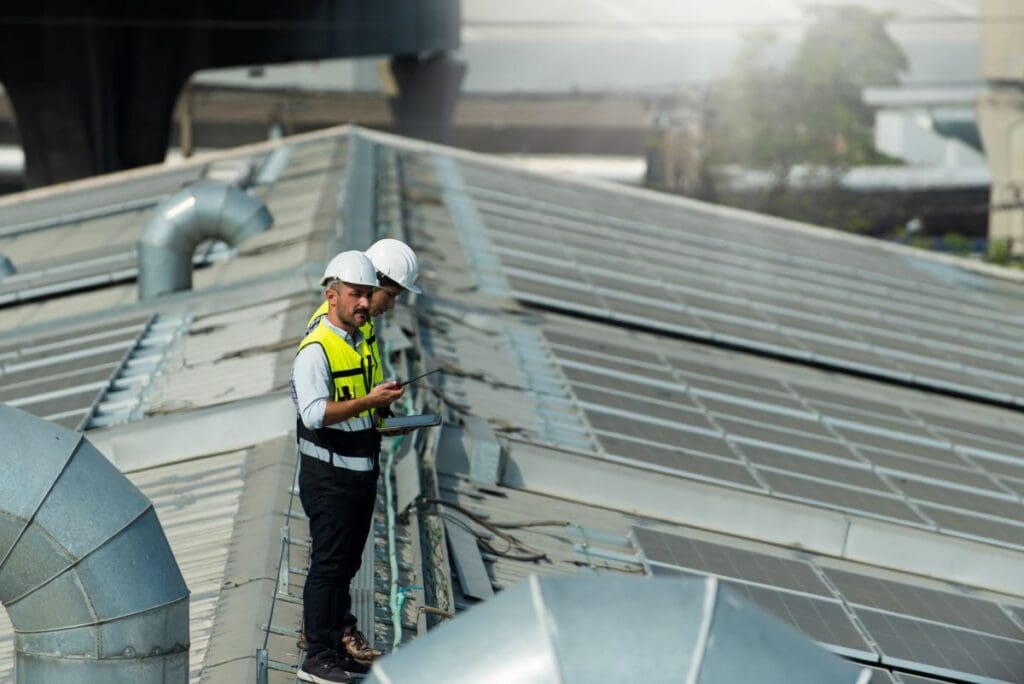
After installation, a final inspection ensures all components meet safety and performance standards. This step may include manufacturer inspections for warranty approval.
Long term planning should also address:
- Scheduled annual inspections
- Preventive maintenance programs
- Documentation of future repairs
Establishing a maintenance plan protects your investment and ensures continued facility safety.
Minimizing Disruption During Industrial Roof Replacement
While safety is the primary concern, minimizing downtime is equally important for industrial operations. Thoughtful planning helps reduce production interruptions and protects employee morale.
Phased Installation Approach
Large facilities can be divided into manageable sections, allowing work to progress in stages. This approach keeps portions of the building fully operational while other areas are under construction.
Benefits include:
- Reduced exposure of interior spaces
- Better material staging control
- Improved project oversight
Phased scheduling is especially useful for facilities with continuous production lines.
Weather Monitoring and Contingency Planning
Weather can significantly impact industrial roof replacement timelines. Rain, snow, and high winds must be factored into scheduling decisions.
Professional contractors monitor forecasts closely and maintain contingency plans to protect exposed areas during unexpected weather events.
Communication With Staff
Clear communication between contractors and facility managers ensures employees understand restricted areas and safety protocols. Regular updates help prevent confusion and maintain workflow efficiency.
In Allentown and surrounding areas, proactive communication is key to maintaining safe operations throughout the replacement process.
Cost Considerations and Long Term Value
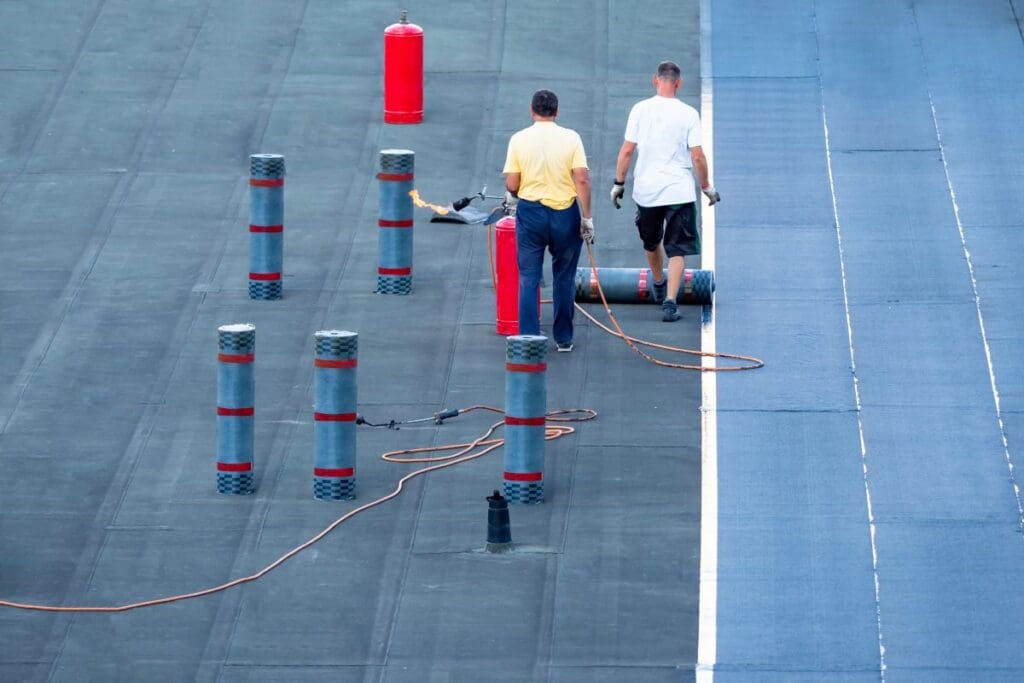
Industrial roof replacement is a major investment, but it also provides significant long term value. Evaluating costs in the context of lifecycle performance helps facility owners make informed financial decisions.
Upfront Costs vs Lifecycle Savings
While replacement may require substantial capital, a new roof can reduce expenses related to emergency repairs, energy inefficiency, and water damage remediation.
Long term benefits may include:
- Improved insulation performance
- Lower heating and cooling costs
- Reduced maintenance frequency
- Enhanced property value
Considering these factors provides a more complete picture of return on investment.
Warranty and Compliance Factors
A properly installed industrial roofing system often includes manufacturer warranties ranging from 15 to 30 years. Compliance with building codes and fire ratings further protects the facility.
Below is a simplified comparison of common industrial roofing system considerations:
TPO or PVC
- Energy efficient reflective surface
- Heat welded seams
- Suitable for large flat roofs
EPDM
- Flexible rubber membrane
- Strong temperature resistance
- Proven durability
Modified Bitumen
- Multi layer protection
- Strong puncture resistance
- Suitable for high traffic areas
Selecting the right system depends on operational demands and long term performance goals.
Protect Your Facility With a Strategic Industrial Roof Replacement Plan
An industrial roof replacement is a critical step in safeguarding your workforce, equipment, and operations. By following a structured eight step approach that prioritizes safety, structural integrity, and proper installation, facility owners can reduce risks and extend the lifespan of their buildings.
For industrial properties in Allentown and surrounding areas, partnering with an experienced roofing contractor ensures your project is handled with professionalism and precision. Weathertite Solutions understands the complexities of industrial roofing systems and the importance of maintaining safe, compliant facilities.
If your roof is showing signs of deterioration or you are planning a proactive upgrade, contact us today to schedule a consultation. The team at Weathertite Solutions is ready to help you develop a safe and effective industrial roof replacement strategy tailored to your facility’s needs.