
The structural integrity of your roof depends heavily on what lies beneath the surface, and roof trusses are at the heart of that support system. Whether you are planning a new build or evaluating structural upgrades, understanding how trusses work can help you make smarter decisions. Many property owners researching modern construction approaches also explore options like advanced roofing system designs to ensure strength and long-term performance.
In this guide, you’ll learn:
- What roof trusses are and why they matter
- Common types of truss designs and their uses
- How trusses support your roof structure
- Key benefits for durability and efficiency
- How to choose the right truss system for your property
Why Roof Trusses Are Essential to Structural Integrity
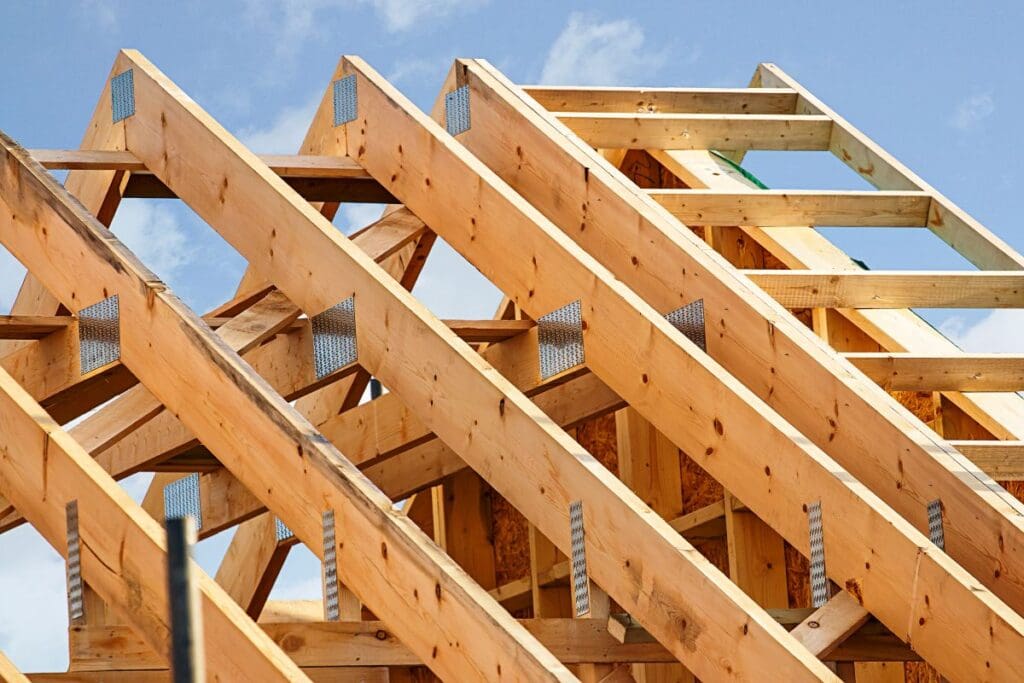
Roof trusses are engineered frameworks designed to support the weight of your roof while distributing loads evenly across the building. Unlike traditional framing methods, trusses are prefabricated for precision and consistency, which makes them a preferred choice for modern construction projects.
For property owners in Morristown and surrounding areas, where weather conditions can include heavy snow, wind, and seasonal shifts, a strong truss system plays a critical role in protecting both residential and commercial structures.
Here are the primary reasons roof trusses are so important:
- Load Distribution: Trusses evenly distribute the weight of roofing materials, snow, and external forces across walls and supports.
- Structural Stability: Designed using engineering calculations, trusses provide reliable strength and reduce the risk of sagging or collapse.
- Design Flexibility: Allows for various roof shapes and layouts, accommodating both aesthetic and functional needs.
- Cost Efficiency: Prefabrication reduces labor time and material waste during installation.
- Long-Term Durability: Properly installed trusses can last for decades with minimal maintenance.
Understanding these benefits helps property owners recognize why roof trusses are a foundational element of any well-built structure.
7 Key Elements of Roof Truss Design and Support
To fully understand how roof trusses function, it is helpful to break down the essential components and design considerations that contribute to their performance.
1. Top Chords
The top chords form the upper edges of the truss and support the roof covering.
- Bear the weight of shingles or roofing membranes
- Handle external loads like snow and wind
- Define the roof’s slope and shape
These components are critical for transferring loads downward.
2. Bottom Chords
The bottom chord acts as the base of the truss and often supports ceilings or attic floors.
- Provides tension support
- Helps maintain the truss shape
- Can support insulation and interior finishes
This element stabilizes the entire framework.
3. Web Members
Web members are the internal supports that connect the top and bottom chords.
- Distribute weight evenly throughout the truss
- Reduce stress on individual components
- Improve overall structural efficiency
Their placement is carefully engineered for maximum strength.
4. Load Bearing Points
These are the areas where the truss transfers weight to the building’s walls or supports.
- Critical for structural integrity
- Must align with wall framing
- Ensure proper weight distribution
Incorrect placement can lead to serious structural issues.
5. Truss Spacing
The distance between trusses affects how well the roof supports loads.
- Common spacing includes 16 or 24 inches on center
- Wider spacing may require stronger materials
- Proper spacing ensures consistent support
Spacing decisions impact both performance and cost.
6. Material Selection
Trusses are typically made from wood or metal, each offering different advantages.
- Wood is cost-effective and widely used
- Metal provides increased strength and resistance to pests
- Material choice depends on building requirements
Selecting the right material is essential for longevity.
7. Connection Plates
Metal plates or fasteners hold truss components together at joints.
- Provide secure connections
- Enhance load transfer efficiency
- Prevent structural failure at joints
These small components play a major role in overall strength.
Common Types of Roof Trusses and Their Applications
Roof trusses come in a variety of designs, each suited to different architectural styles and functional needs. Choosing the right type depends on factors like roof pitch, building size, and intended use of interior space.
King Post Truss
One of the simplest truss designs, the king post truss is commonly used in smaller structures.
- Ideal for short spans
- Cost-effective and easy to install
- Suitable for residential applications
Queen Post Truss
This design extends the capabilities of the king post truss by adding additional vertical supports.
- Allows for longer spans
- Provides more stability
- Common in medium-sized structures
Fink Truss
Fink trusses are widely used in residential construction due to their efficiency and strength.
- Recognizable W-shaped web design
- Excellent load distribution
- Cost-effective for large-scale use
Scissor Truss
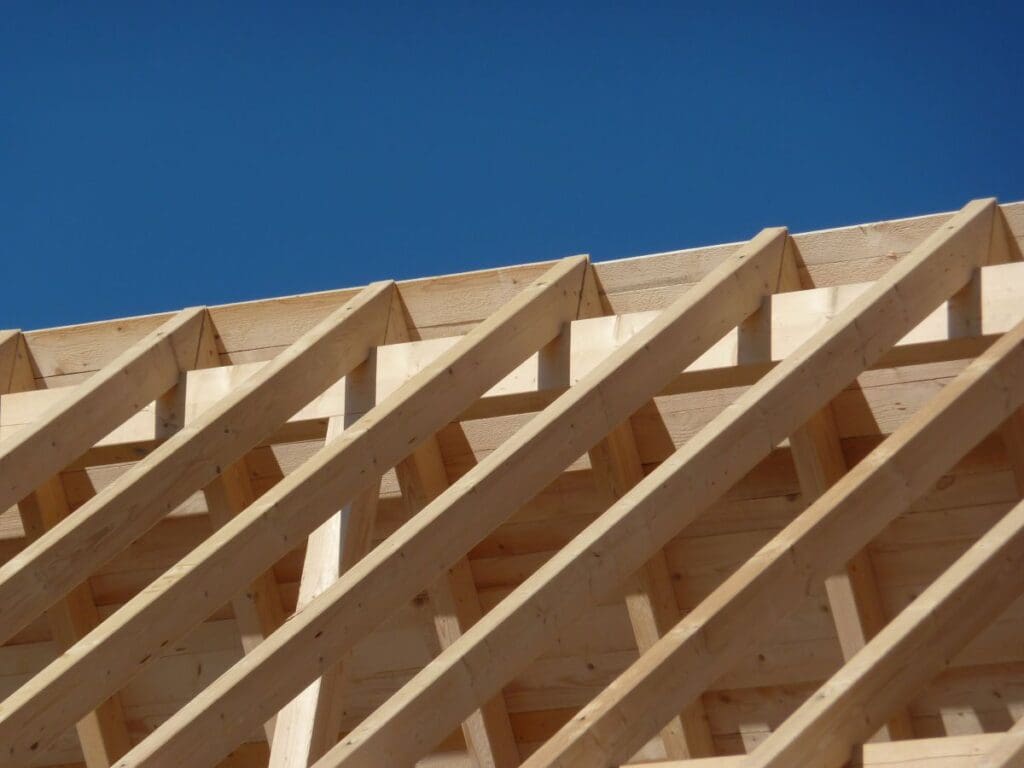
Scissor trusses create vaulted ceilings, adding aesthetic appeal and interior space.
- Ideal for open interior designs
- Enhances natural light and airflow
- Common in modern homes and commercial buildings
Hip Truss
Used for hip roof designs, these trusses provide support on all sides of the structure.
- Increased stability in high-wind areas
- Attractive architectural appearance
- Suitable for complex roof layouts
For property owners in Morristown and surrounding areas, selecting the right truss type ensures both structural reliability and design appeal.
Roof Trusses vs Traditional Framing: What’s the Difference?
When planning a roofing project, many property owners wonder whether to choose roof trusses or traditional stick framing. Each method has its advantages, but trusses have become the preferred option in most modern construction.
Key Differences at a Glance
| Feature | Roof Trusses | Traditional Framing |
| Construction Method | Prefabricated | Built on-site |
| Installation Speed | Faster | Slower |
| Cost Efficiency | More efficient | Higher labor costs |
| Design Flexibility | Engineered designs | Custom-built options |
| Structural Consistency | High | Varies by workmanship |
Advantages of Roof Trusses
- Faster installation timelines
- Reduced labor costs
- Greater structural precision
- Consistent quality across projects
When Traditional Framing May Be Preferred
- Custom or unique architectural designs
- Renovations requiring specific adjustments
- Smaller projects with limited access
In most cases, roof trusses provide a more efficient and reliable solution, especially for larger buildings.
Maintenance and Warning Signs to Watch For
While roof trusses are designed for long-term durability, they still require occasional inspection to ensure continued performance. Identifying issues early can prevent costly repairs and structural damage.
Routine Maintenance Tips
- Inspect attic spaces regularly for signs of damage
- Ensure proper ventilation to prevent moisture buildup
- Check for pests that may weaken wooden components
- Monitor for shifting or unusual noises during temperature changes
Warning Signs of Truss Problems
- Sagging rooflines
- Cracks in wood or metal components
- Loose or damaged connection plates
- Water damage or mold growth
Property owners in Morristown and surrounding areas should address these issues promptly to maintain structural safety.
Choosing the Right Roof Truss System for Your Property
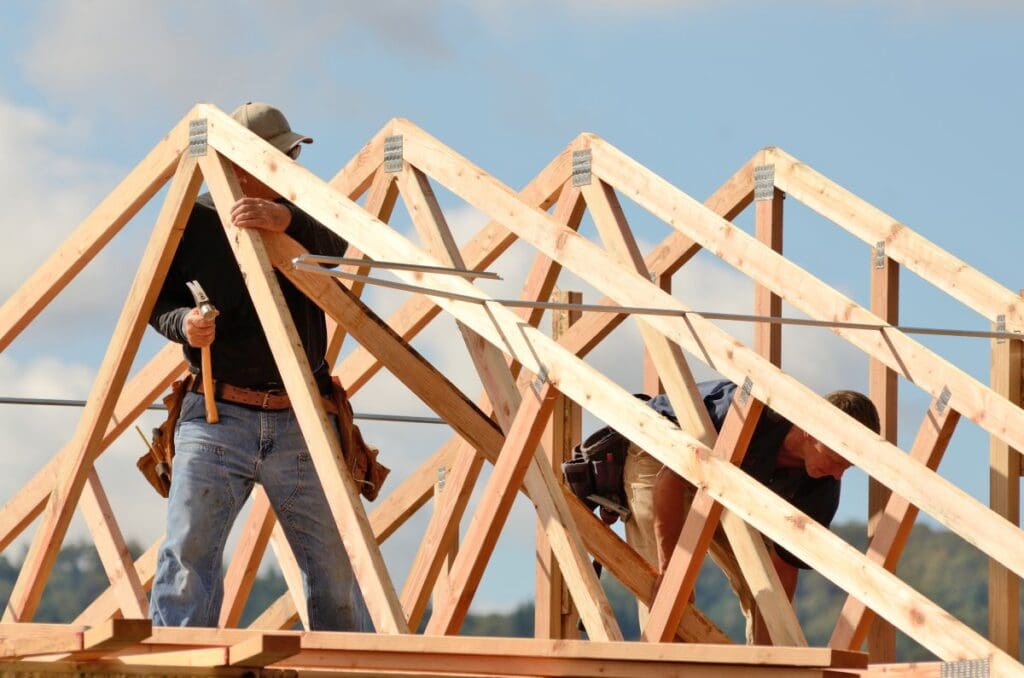
Selecting the right truss system involves evaluating several factors that impact performance, cost, and long-term durability.
Factors to Consider
- Building Size and Layout: Larger structures require stronger and more complex truss systems
- Climate Conditions: Snow loads, wind exposure, and seasonal changes must be considered
- Budget Requirements: Balancing upfront costs with long-term value is essential
- Future Modifications: Consider whether the structure may need future expansion or changes
Working with Experienced Professionals
Partnering with experienced roofing professionals ensures that your truss system is designed and installed correctly. Expert guidance helps you avoid common mistakes and ensures compliance with local building codes.
Build Stronger, Smarter Roofs with the Right Truss System
Roof trusses are a critical component of any structure, providing the strength and stability needed to protect your property for years to come. From load distribution to design flexibility, they offer significant advantages over traditional framing methods.
If you are planning a new project or evaluating your current roof structure, the team at Weathertite Solutions is here to help. Reach out to contact us today to discuss your roofing needs and discover how the right truss system can enhance your property’s performance and durability.