
Single-ply membranes dominate commercial flat roofing, and two names come up in nearly every conversation. Both are heat-welded, both come in reflective white, and both can perform well for decades, yet they are not interchangeable. Understanding TPO vs PVC roofing before a replacement or new build can save a property owner from costly mismatches between membrane and building. If you are planning a project, reviewing the range of options available for commercial buildings is a smart first step.
Here’s what you’ll learn in this guide:
- How TPO and PVC membranes differ in composition and performance
- Six expert insights that should guide your decision
- Which building types and conditions favor each membrane
- How installation, maintenance, and repairs compare
- What to ask a contractor before choosing a system
Why the TPO and PVC Decision Matters
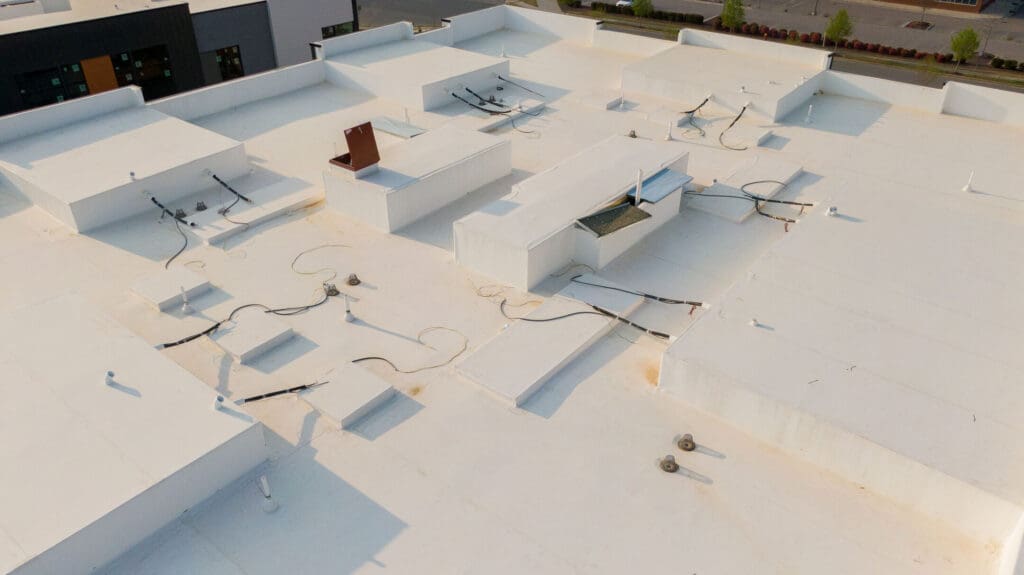
Choosing a roofing membrane is a long-term commitment. The system you select will shape energy bills, maintenance needs, and replacement timing for the next two decades or more. Across New Jersey and surrounding areas, commercial buildings range from warehouses and offices to restaurants, healthcare facilities, and manufacturing plants, and each of those uses places different demands on a roof.
Because TPO and PVC look similar from the ground and share many traits, owners sometimes assume the decision comes down to price alone. In practice, the right choice depends on what happens beneath and around the roof, which is why a thoughtful comparison pays off.
- Lifecycle cost control: The membrane that fits your building’s conditions will last longer and need fewer repairs, which matters far more than a small difference in upfront price.
- Energy performance: Both options reflect sunlight, and the right choice supports lower cooling costs in hot months.
- Operational protection: Buildings that exhaust grease, oils, or chemicals onto the roof need a membrane that can withstand that exposure.
- Warranty alignment: Matching the membrane to the building helps keep manufacturer warranties valid and enforceable.
- Predictable budgeting: Knowing how each system ages helps facility managers plan maintenance and replacement years in advance.
5 Expert Insights To Consider When Comparing TPO and PVC
These six factors tend to drive the final decision. Looking at each one honestly, with your own building in mind, will point you toward the right membrane.
1. Material Composition
TPO, short for thermoplastic polyolefin, blends polypropylene and ethylene-propylene rubber with fillers and stabilizers. PVC, short for polyvinyl chloride, is a vinyl compound that relies on plasticizers to stay flexible. That difference in chemistry shapes how each membrane behaves over time.
- TPO formulations vary by manufacturer, so performance depends on the specific product
- PVC contains plasticizers that gradually migrate out over the years, which can reduce flexibility
- Both membranes are reinforced with polyester or fiberglass scrim for strength
2. Upfront Cost
TPO is generally the more economical choice at installation, which is a big reason for its popularity on large commercial projects. PVC typically costs more per square foot because of its raw materials and manufacturing process. The gap varies with market conditions, membrane thickness, and project size.
- TPO often appeals to owners watching initial budget on large roof areas
- PVC can justify its higher price where chemical exposure or fire concerns are significant
- Always compare total lifecycle cost, not just the installed price
3. Chemical and Grease Resistance
This is where PVC pulls ahead most clearly. PVC resists animal fats, oils, and many industrial chemicals that can degrade other membranes. That makes it a common specification for restaurants, food processing facilities, hospitals, and manufacturing sites.
- Restaurant exhaust can coat a roof with grease that attacks less resistant membranes
- TPO performs well in general commercial settings but is less suited to heavy chemical exposure
- If your building vents anything other than clean air, ask which membrane the manufacturer recommends
4. Lifespan and Aging Behavior
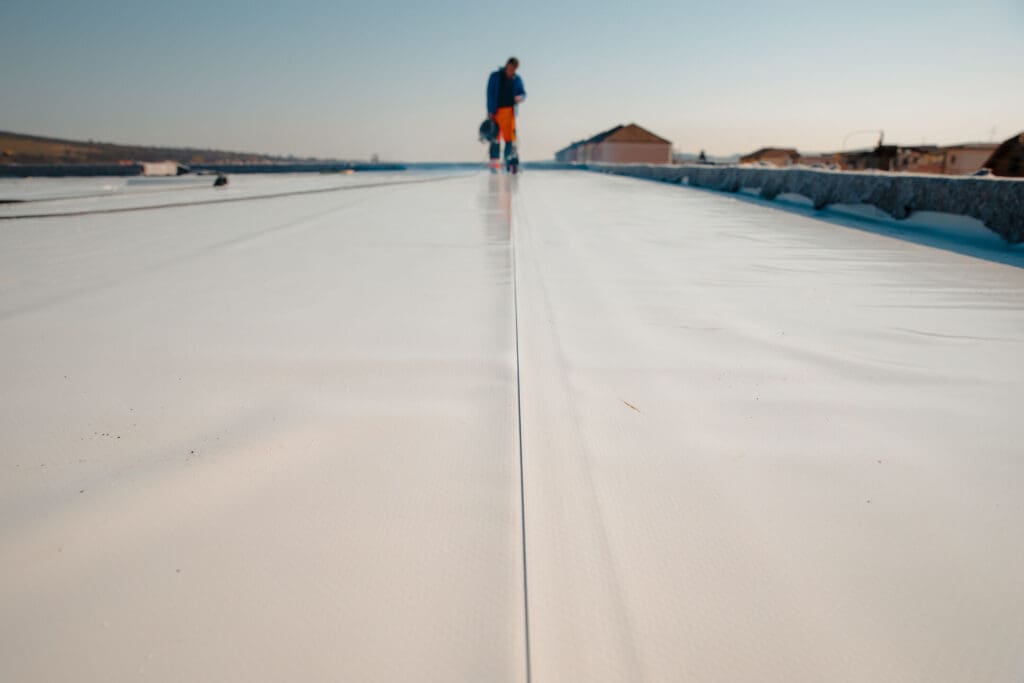
Both membranes are designed for long service lives, often in the range of 20 years or more when installed and maintained correctly. PVC has a longer track record in the field, while TPO has gained market share steadily and its formulations have continued to improve. Actual results depend heavily on the manufacturer, thickness, and installation quality.
- Thicker membranes, such as 60 mil or 80 mil, generally provide more puncture resistance and longer life
- Plasticizer loss in PVC and surface weathering in TPO are the main aging mechanisms to monitor
- Regular inspection and maintenance matter more than which membrane you choose
5. Fire Performance
PVC contains chlorine, which gives it inherent fire-retardant properties. TPO relies on added flame retardants to meet fire ratings. Both can achieve the Class A ratings commonly required in commercial construction when installed as part of a tested assembly.
- Confirm that the complete roof assembly, including insulation and cover board, carries the required fire rating
- Local building codes in New Jersey and surrounding areas may influence which assemblies are approved
- Fire ratings apply to the system, not just the membrane alone
Matching the Membrane to Your Building
Once the technical differences are clear, the practical question is which membrane suits your specific property. The answer often follows directly from how the building is used.
When TPO Is the Better Fit
TPO is a strong choice for general commercial buildings where cost efficiency and energy performance are the priorities. It works well on warehouses, big-box retail, schools, offices, and multi-tenant properties without heavy rooftop contamination.
- Large roof areas where installed cost has a major budget impact
- Buildings with clean mechanical exhaust and typical rooftop equipment
- Projects where a white, reflective surface is a primary goal
When PVC Is the Better Fit
PVC earns its premium on roofs that face tougher conditions. Facilities that release grease, oils, or chemicals, and buildings where long-term chemical resistance matters most, tend to benefit from PVC.
- Restaurants, commercial kitchens, and food processing plants
- Hospitals, laboratories, and manufacturing facilities
- Roofs with significant exposure to exhaust or airborne contaminants
Climate and Weather Considerations
Weather shapes how a membrane ages as much as chemistry does. Commercial roofs in New Jersey and surrounding areas deal with hot summers, freezing winters, heavy rain, and repeated freeze-thaw cycles, and both membranes handle those conditions well when properly installed. Cold temperatures can make any membrane less forgiving during installation, so scheduling and crew experience matter.
- Hot summers favor reflective white membranes that keep rooftop temperatures down
- Freeze-thaw cycling puts stress on seams and flashings, which makes weld quality critical
- Wind uplift ratings should be confirmed for the attachment method chosen
Installation, Maintenance, and Repair Considerations
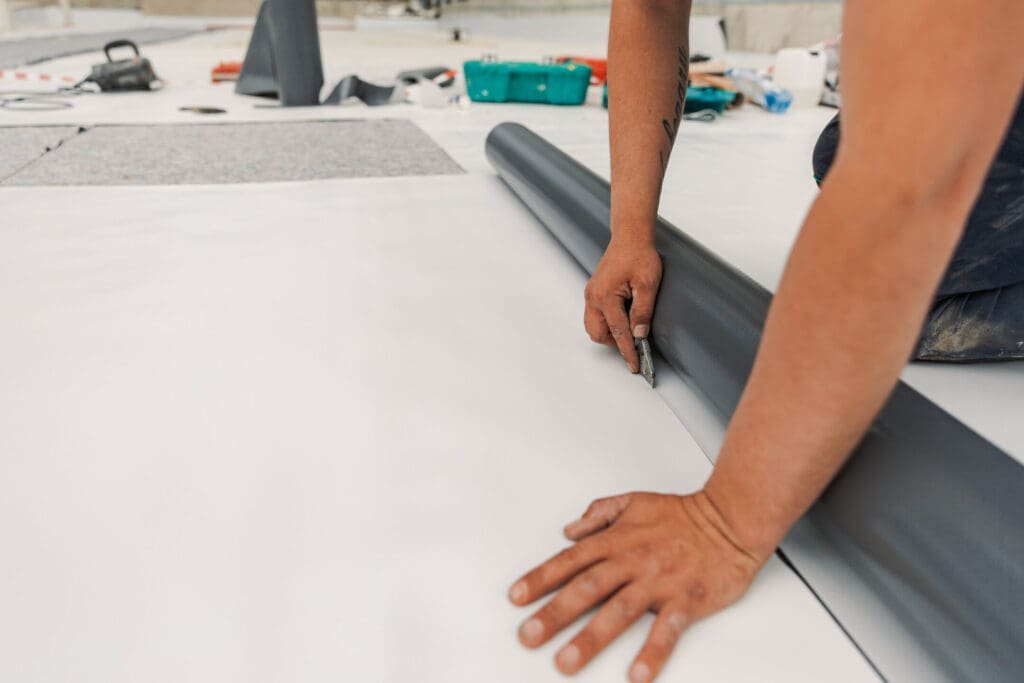
The membrane you choose only performs as well as the installation behind it. Both TPO and PVC rely on heat-welded seams that create a strong, continuous bond when done correctly, and both demand skilled crews and good conditions.
Side-by-Side Comparison
| Factor | TPO | PVC |
| Base material | Polyolefin blend | Polyvinyl chloride with plasticizers |
| Seam method | Heat-welded | Heat-welded |
| Typical installed cost | Lower | Higher |
| Chemical and grease resistance | Moderate | Excellent |
| Fire performance | Meets ratings with added retardants | Inherently fire resistant |
| Reflectivity | High in white | High in white |
| Best suited for | General commercial buildings | Restaurants, healthcare, industrial |
Maintenance and Repair
Both membranes benefit from twice-yearly inspections, clear drains, and prompt repair of punctures or seam issues. Heat welding makes repairs straightforward for trained crews, though aged membranes can be harder to weld than new material.
- Inspect seams, flashings, and penetrations after severe weather
- Keep drains and scuppers clear to prevent ponding water
- Use compatible patch materials and certified techniques for repairs
- Document inspections to support warranty claims
Warranty and Lifecycle Cost Planning
Warranties for both membranes are typically tied to thickness, installation by a certified contractor, and the use of approved system components. A longer warranty term is only valuable if the installation actually meets the manufacturer’s requirements, so confirm those details in writing. Planning for lifecycle cost means weighing installed price, expected maintenance, and the point at which replacement or restoration will make sense.
- Ask for the full warranty document before signing, not just a summary
- Budget for periodic inspections and minor repairs across the life of the roof
- Consider coating or restoration options near the end of the membrane’s service life
Questions to Ask Before You Decide
- Which membrane does the manufacturer recommend for how my building operates?
- What thickness is specified, and why?
- Is the installer certified by the manufacturer to offer a full warranty?
- How will seams and flashings be detailed and tested?
Choose the Right Membrane With Confidence
Neither membrane wins every comparison, and that is exactly the point. TPO delivers strong value and reflectivity for general commercial use, while PVC protects buildings that face grease, chemicals, and heavier demands. The best choice is the one that matches your building, your budget, and your long-term plans.
Weathertite Solutions helps commercial property owners across New Jersey and surrounding areas weigh single-ply options honestly, then install and maintain the system that fits. Whether you are replacing an aging roof or planning new construction, we will walk you through the tradeoffs and give you a straight recommendation. Contact us today to schedule an evaluation and find out which membrane makes sense for your property.