
Energy efficiency starts at the top of your property, and roof insulation plays a major role in how well your building retains heat and controls indoor temperatures. Whether you manage a commercial property or own a large residential structure, understanding insulation options is key to long-term savings and comfort. Many property owners exploring upgrades often review options like modern roofing system solutions to improve both performance and efficiency.
In this guide, you’ll learn:
- Why roof insulation is essential for energy efficiency
- The top materials used to improve insulation performance
- How insulation impacts comfort and utility costs
- Key factors to consider when choosing insulation
- How to maintain and maximize insulation effectiveness
Why Roof Insulation Matters for Long-Term Performance
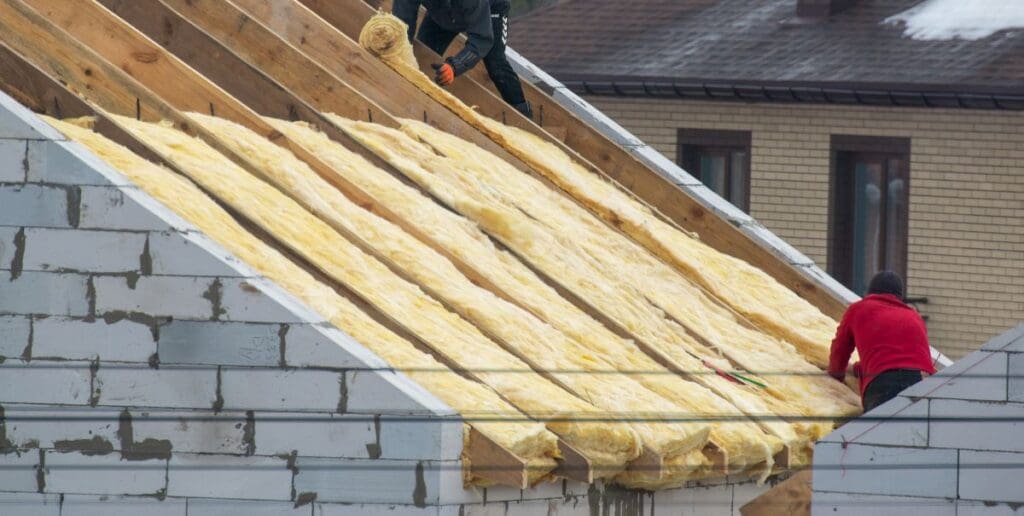
Roof insulation is more than just an added layer beneath your roofing system. It directly impacts energy efficiency, indoor comfort, and the lifespan of your entire structure. For property owners in Princeton and surrounding areas, where seasonal temperature shifts can be significant, proper insulation helps maintain consistent indoor conditions year-round.
Without effective insulation, heat escapes during colder months and enters during warmer months, forcing HVAC systems to work harder. This not only increases energy costs but also leads to unnecessary wear and tear on building systems.
Here are the key benefits of investing in quality roof insulation:
- Energy Savings: Proper insulation reduces heat transfer, lowering heating and cooling costs throughout the year.
- Improved Comfort: Maintains consistent indoor temperatures, eliminating hot and cold spots.
- Moisture Control: Helps prevent condensation buildup that can lead to mold or structural damage.
- Extended Roof Lifespan: Reduces thermal stress on roofing materials, minimizing expansion and contraction damage.
- Environmental Impact: Lower energy usage contributes to a smaller carbon footprint.
For many property owners in Princeton and surrounding areas, upgrading insulation is one of the most effective ways to improve building performance without a full roof replacement.
8 Roof Insulation Materials That Improve Efficiency
Choosing the right insulation material depends on your building type, climate, and budget. Each option offers unique advantages, and understanding these differences helps you make the best decision for your property.
1. Polyisocyanurate (Polyiso)
Polyiso is one of the most commonly used insulation materials in commercial roofing due to its high thermal resistance.
- High R-value per inch
- Lightweight and easy to install
- Often used in flat roofing systems
This material is ideal for maximizing insulation performance in limited space.
2. Expanded Polystyrene (EPS)
EPS is a versatile and cost-effective insulation option that works well in a variety of roofing systems.
- Affordable compared to other materials
- Resistant to moisture when properly installed
- Provides stable thermal performance
It is often used in both new construction and retrofit projects.
3. Extruded Polystyrene (XPS)
XPS offers improved moisture resistance compared to EPS, making it suitable for environments where water exposure is a concern.
- Strong compressive strength
- Consistent R-value over time
- Ideal for below-grade or exposed applications
This material is commonly selected for durability in challenging conditions.
4. Spray Polyurethane Foam (SPF)
SPF insulation is applied as a liquid that expands into a solid foam, creating a seamless barrier.
- Excellent air sealing properties
- Conforms to irregular surfaces
- Reduces energy loss through gaps
It is especially useful for retrofitting older buildings in Princeton and surrounding areas.
5. Fiberglass Insulation
Fiberglass remains a popular choice due to its affordability and availability.
- Non-combustible material
- Easy to install in various forms
- Provides good thermal resistance
While widely used, it requires proper installation to prevent gaps or compression.
6. Mineral Wool (Rock Wool)
Mineral wool offers both thermal and acoustic insulation benefits.
- Fire-resistant properties
- Excellent sound absorption
- Resistant to moisture and mold
This makes it a strong option for buildings requiring additional safety features.
7. Cellulose Insulation
Made from recycled materials, cellulose is an environmentally friendly option.
- Sustainable and eco-conscious
- Good thermal performance
- Effective at reducing air infiltration
It is commonly used in residential applications but can also be adapted for certain commercial uses.
8. Reflective Insulation
Reflective insulation uses radiant barriers to reduce heat gain, particularly in warmer climates.
- Reflects heat away from the building
- Works well when combined with other insulation types
- Helps reduce cooling costs
This material is often used as a supplemental layer rather than a standalone solution.
Factors to Consider When Choosing Roof Insulation
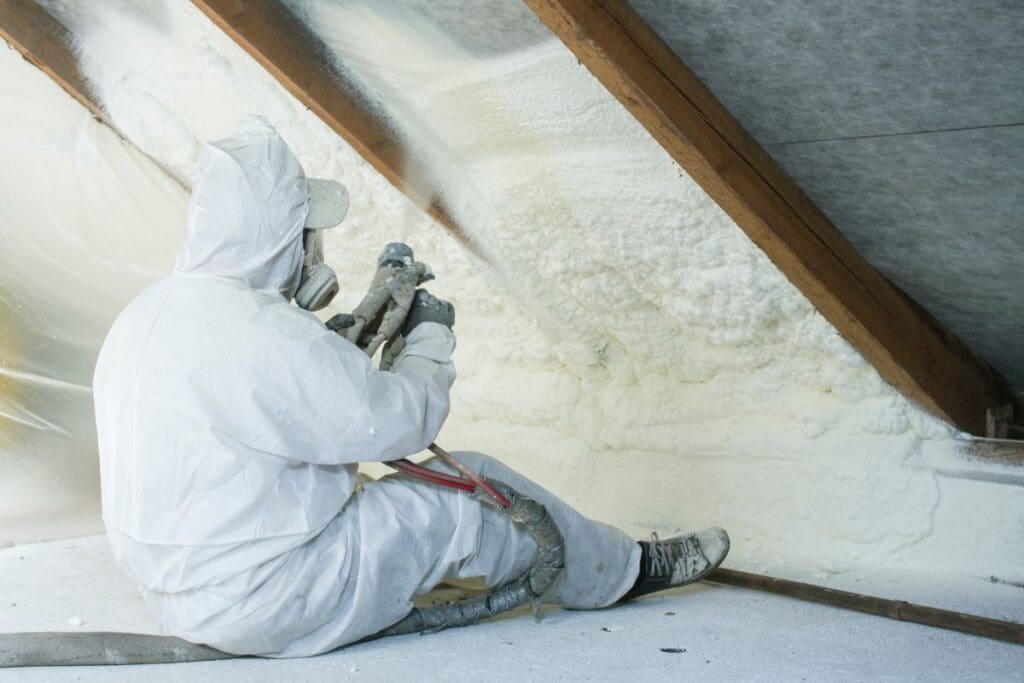
Selecting the right insulation material involves more than just comparing R-values. Each building has unique requirements, and understanding these factors ensures the best outcome.
- Climate Conditions: Buildings in Princeton and surrounding areas must handle both cold winters and warm summers, making balanced insulation performance essential.
- Roof Type: Flat and low-slope roofs may require different insulation materials than pitched roofs.
- Budget Constraints: While some materials have higher upfront costs, they may offer better long-term savings.
- Moisture Exposure: Areas prone to humidity or water infiltration require moisture-resistant insulation.
- Installation Method: Some materials require specialized installation techniques, which can impact overall cost and timeline.
Understanding R-Value
R-value measures how well insulation resists heat flow. Higher R-values indicate better insulation performance. However, the ideal R-value depends on your region and building type.
Compatibility with Roofing Systems
Not all insulation materials work with every roofing system. It is important to ensure compatibility to avoid performance issues or premature failure.
Long-Term Maintenance Needs
Some insulation materials require more upkeep than others. Choosing a low-maintenance option can reduce long-term costs and effort.
How Roof Insulation Impacts Energy Efficiency and Costs
Roof insulation directly affects how much energy your building consumes. Poor insulation leads to higher utility bills, while proper insulation creates a more efficient and cost-effective environment.
Reduced Heating and Cooling Costs
When insulation prevents heat transfer, HVAC systems do not need to work as hard. This results in:
- Lower monthly energy bills
- Reduced strain on heating and cooling equipment
- Longer lifespan for HVAC systems
Improved Indoor Air Quality
Proper insulation helps regulate humidity levels, which can improve indoor air quality and reduce allergens.
Consistent Temperature Control
Insulation eliminates temperature fluctuations, creating a more comfortable indoor environment for occupants.
Return on Investment Over Time
While insulation upgrades require an upfront investment, the long-term savings often outweigh the initial cost. Many property owners in Princeton and surrounding areas see noticeable reductions in energy expenses within the first few years.
Comparing Roof Insulation Materials
Understanding how different materials compare can help you make a more informed decision.
Performance Comparison Table
| Material | R-Value per Inch | Moisture Resistance | Cost Level | Best Use Case |
| Polyiso | High | Moderate | Medium | Commercial roofs |
| EPS | Moderate | Moderate | Low | Budget projects |
| XPS | High | High | Medium | Moist environments |
| SPF | Very High | High | High | Air sealing applications |
| Fiberglass | Moderate | Low | Low | General use |
| Mineral Wool | Moderate | High | Medium | Fire resistance |
| Cellulose | Moderate | Low | Low | Eco-friendly projects |
| Reflective Insulation | Variable | High | Low | Heat reduction |
Each material offers unique advantages, and the best choice depends on your specific needs.
Choosing the Right Combination
In many cases, combining materials provides the best results. For example:
- Polyiso paired with reflective insulation for maximum efficiency
- SPF combined with rigid boards for air sealing and structure
- Fiberglass supplemented with vapor barriers for moisture control
Working with experienced professionals ensures the right combination is selected for your building.
Maintenance Tips to Maximize Roof Insulation Performance
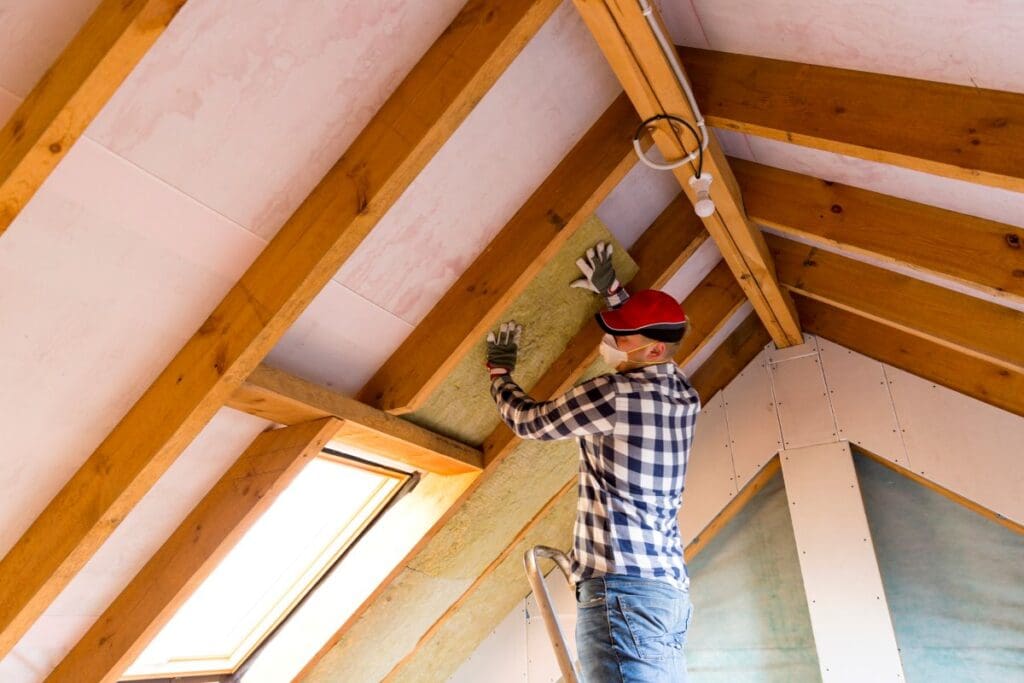
Even the best insulation materials require proper maintenance to perform effectively over time. Neglecting maintenance can reduce efficiency and lead to costly repairs.
- Inspect Regularly: Check for signs of damage, moisture, or compression.
- Address Leaks Quickly: Water intrusion can compromise insulation performance.
- Maintain Ventilation: Proper airflow prevents condensation buildup.
- Replace Damaged Sections: Prompt replacement prevents further issues.
- Schedule Professional Evaluations: Periodic assessments help identify hidden problems.
Signs Your Insulation Needs Attention
- Rising energy bills without explanation
- Uneven indoor temperatures
- Visible moisture or mold
- Drafts or air leaks
Addressing these issues early helps maintain efficiency and avoid larger problems.
Improve Efficiency with the Right Roof Insulation Strategy
Roof insulation is one of the most impactful upgrades you can make to improve energy efficiency, comfort, and long-term building performance. With the right materials and proper installation, property owners can significantly reduce energy costs while extending the life of their roofing system.
If you are ready to enhance your building’s efficiency, the experts at Weathertite Solutions are here to help. Reach out to contact us today to explore the best roof insulation options for your property and ensure lasting performance for years to come.