
Energy efficiency, moisture protection, and long-term durability are all major priorities for commercial property owners, especially when managing flat roofing systems. Spray foam roof insulation has become an increasingly popular solution because it combines insulation, waterproofing, and seamless protection into a single system. For building owners looking to improve roofing performance while reducing long-term operating costs, understanding how spray foam works can help guide smarter roofing decisions. Whether you own a warehouse, office building, or retail facility, exploring advanced roofing systems designed for flat commercial properties can help you better protect your investment.
In this guide, you’ll learn:
- How spray foam roof insulation works on flat roofs
- The biggest benefits spray foam systems provide
- How spray foam compares to traditional roofing insulation
- Common maintenance considerations for spray foam roofing
- Signs your commercial property may benefit from this roofing solution
Why Spray Foam Roof Insulation Is Gaining Popularity
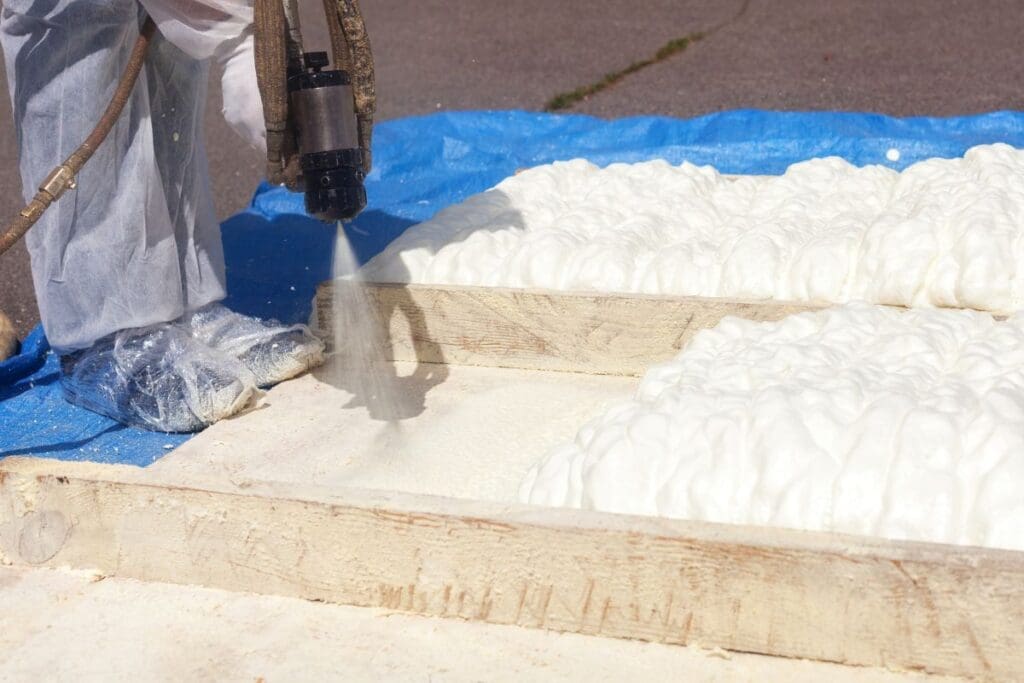
Flat roofs require reliable protection against water intrusion, heat loss, and long-term weather exposure. Traditional roofing systems often rely on multiple layers of materials and seams that can eventually weaken over time. Spray foam roof insulation offers a different approach by creating a seamless barrier directly over the roof surface.
Commercial property owners in Edison and surrounding areas are increasingly turning to spray foam systems because they provide strong thermal performance while helping extend the life of existing roofing structures.
Some of the most valuable advantages include:
- Energy Efficiency: Spray foam insulation helps reduce heating and cooling loss by creating a highly effective thermal barrier.
- Seamless Waterproofing: The continuous application minimizes gaps and weak points where leaks commonly develop.
- Lightweight Protection: Spray foam adds insulation and protection without placing excessive weight on the structure.
- Long-Term Savings: Lower utility costs and reduced maintenance needs often improve long-term return on investment.
- Extended Roof Life: Many flat roofing systems can last significantly longer with proper spray foam application and maintenance.
Because spray foam combines several roofing functions into one system, it has become an appealing option for many commercial property owners seeking durable, efficient roofing solutions.
6 Benefits of Spray Foam Roof Insulation for Flat Roofs
Flat roofing systems face unique challenges that require durable and efficient protection. Spray foam roof insulation helps address many of those concerns while improving overall building performance.
1. Superior Energy Efficiency
One of the biggest reasons property owners choose spray foam roof insulation is its exceptional insulating capability. Spray polyurethane foam creates a highly effective thermal barrier that reduces air leakage and minimizes energy transfer.
This helps buildings maintain more consistent indoor temperatures throughout the year.
Energy-saving benefits often include:
- Lower heating costs during winter
- Reduced cooling expenses during summer
- Improved HVAC efficiency
- More stable indoor comfort levels
In Edison and surrounding areas, where seasonal temperature changes can place added demand on HVAC systems, improved insulation performance can significantly lower operational costs over time.
2. Seamless Waterproof Protection
Traditional roofing systems often contain seams, joints, and fasteners that can eventually become vulnerable to leaks. Spray foam creates a seamless surface that helps reduce these weak points.
The foam expands and bonds directly to the existing roofing substrate, creating a continuous layer of protection.
This seamless design helps:
- Reduce water infiltration risk
- Prevent moisture penetration
- Improve resistance to standing water
- Minimize leak-related repairs
Because there are fewer exposed joints, spray foam systems are often easier to maintain than some conventional roofing systems.
3. Lightweight Roofing Solution
Some commercial properties cannot support the added weight of multiple roofing layers or heavy replacement materials. Spray foam roof insulation is lightweight while still providing strong insulation and weather protection.
This can be especially beneficial for:
- Older commercial buildings
- Large warehouse facilities
- Structures with weight limitations
- Roof restoration projects
The lightweight nature of spray foam may also reduce the need for costly structural reinforcement during roofing upgrades.
4. Improved Roof Longevity
Flat roofing systems are constantly exposed to UV rays, rain, snow, wind, and temperature fluctuations. Over time, these conditions contribute to material deterioration.
Spray foam roofing systems help protect the underlying roof from ongoing exposure by creating a durable protective layer.
Long-term durability benefits may include:
- Reduced membrane wear
- Lower risk of cracking
- Better resistance to thermal expansion
- Improved weather protection
With proper maintenance and periodic recoating, many spray foam roofing systems can perform effectively for decades.
5. Cost-Effective Roof Restoration Option
In some situations, spray foam can be applied over an existing roof rather than requiring a complete tear-off. This makes it an attractive restoration solution for certain commercial properties.
Potential cost-saving advantages include:
- Reduced labor expenses
- Lower disposal costs
- Faster project completion
- Less operational disruption
Restoration projects may also allow businesses to continue normal operations during installation with minimal interruption.
6. Better Environmental Performance
Many commercial property owners are placing greater focus on sustainability and energy conservation. Spray foam roof insulation can support those goals by improving energy efficiency and reducing waste.
Environmental advantages often include:
- Reduced energy consumption
- Fewer roofing materials sent to landfills
- Lower carbon footprint
- Longer roofing system lifespan
For businesses focused on sustainability initiatives, spray foam roofing can align well with long-term environmental planning.
How Spray Foam Roof Insulation Works
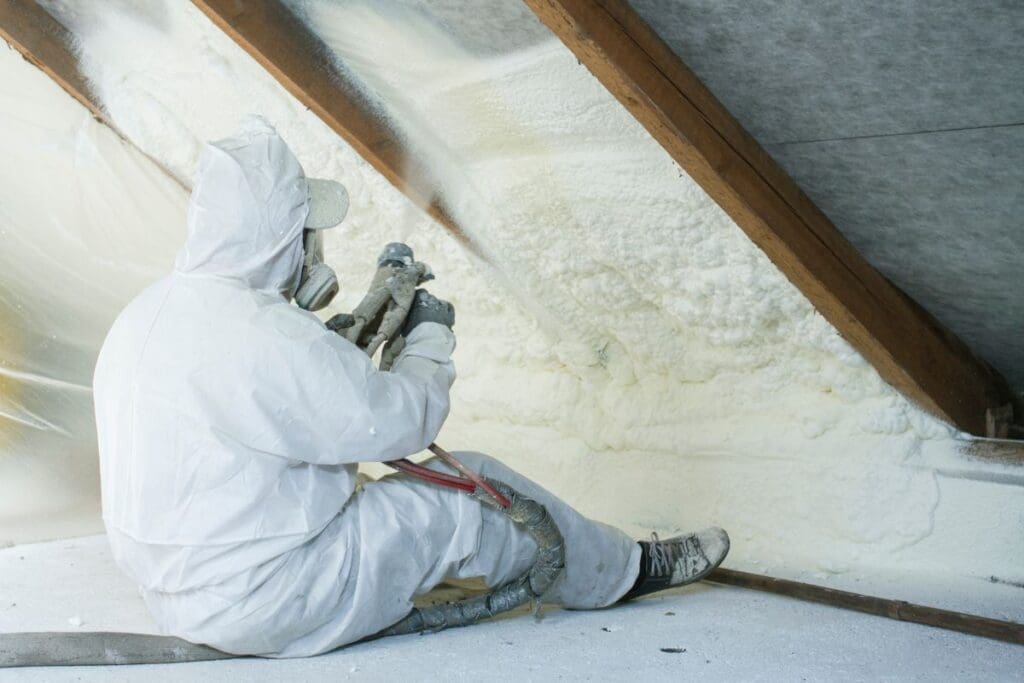
Understanding how spray foam roofing systems are installed and maintained can help property owners determine whether the system is right for their building.
Spray polyurethane foam roofing involves more than simply applying insulation. The process includes multiple components working together to create a durable roofing system.
Spray Foam Application Process
During installation, liquid spray polyurethane foam is applied directly to the roof surface. The material rapidly expands into a solid foam layer that adheres tightly to the substrate.
The foam conforms to the shape of the roof, helping seal:
- Cracks
- Gaps
- Penetrations
- Irregular surfaces
This creates a continuous insulating barrier across the roof.
Protective Coatings
After the foam is installed, contractors apply a protective coating over the surface. These coatings help shield the foam from UV exposure and weather damage.
Common coating materials include:
- Silicone coatings
- Acrylic coatings
- Polyurethane coatings
The protective layer is critical because exposed foam can deteriorate if left unprotected.
Drainage Improvement
Spray foam systems can sometimes improve roof drainage by helping eliminate low spots where water tends to collect.
Contractors may shape the foam to encourage better water flow toward drains and scuppers.
This may help reduce:
- Ponding water
- Drainage backups
- Moisture accumulation
- Structural stress
Proper drainage remains essential for long-term roofing performance regardless of roofing material.
Maintenance and Recoating
Like most roofing systems, spray foam requires periodic maintenance to remain effective.
Routine maintenance may include:
- Roof inspections
- Cleaning debris
- Repairing damaged coating areas
- Reapplying protective coatings when needed
Proper maintenance helps maximize roof lifespan and preserve insulation performance.
Comparing Spray Foam Roof Insulation to Other Flat Roofing Systems
Commercial property owners often compare spray foam roofing to other common flat roof systems before making a decision. Each roofing solution offers unique strengths depending on building needs, budget, and climate conditions.
Understanding these differences can help property owners choose the right fit for their facility.
Spray Foam vs. TPO Roofing
TPO roofing is a single-ply membrane system commonly used on commercial buildings.
| Feature | Spray Foam Roofing | TPO Roofing |
| Insulation Value | High built-in insulation | Requires separate insulation layers |
| Seam Count | Seamless | Contains welded seams |
| Waterproofing | Excellent | Strong when properly installed |
| Weight | Lightweight | Lightweight |
| Installation | Spray-applied | Sheet membrane installation |
Spray foam often provides stronger insulation performance, while TPO remains popular for its durability and reflective surface.
Spray Foam vs. EPDM Roofing
EPDM is a rubber-based roofing membrane frequently used on low-slope roofs.
Key differences include:
- Spray foam provides built-in insulation
- EPDM relies on separate insulation layers
- Spray foam creates a seamless surface
- EPDM systems contain seams and adhesives
Both systems can perform well when installed and maintained properly.
Spray Foam vs. Built-Up Roofing
Built-up roofing systems use multiple layers of asphalt and reinforcing materials.
Compared to built-up roofing, spray foam typically offers:
- Lighter overall weight
- Better insulation performance
- Faster installation
- Fewer seams
However, built-up roofing systems may provide strong durability in high-traffic roof environments.
Which System Is Best?
There is no single roofing system that works best for every commercial property.
The right solution depends on factors such as:
- Building size
- Structural condition
- Energy efficiency goals
- Climate exposure
- Budget considerations
- Existing roof condition
A professional roofing evaluation helps determine which system best supports long-term building performance.
Signs Your Building May Benefit From Spray Foam Roof Insulation
Not every commercial property requires a spray foam roofing system, but certain warning signs may indicate that it is worth considering.
Understanding these indicators can help property owners address roofing concerns before they become more expensive.
Rising Energy Bills
If heating and cooling costs continue increasing despite HVAC maintenance, inadequate roof insulation may be contributing to energy loss.
Spray foam insulation helps improve thermal performance by reducing air leakage and heat transfer.
Frequent Roof Leaks
Recurring leaks often indicate weaknesses in seams, flashing, or membrane systems.
Spray foam’s seamless design may help reduce recurring water intrusion issues by eliminating many common leak points.
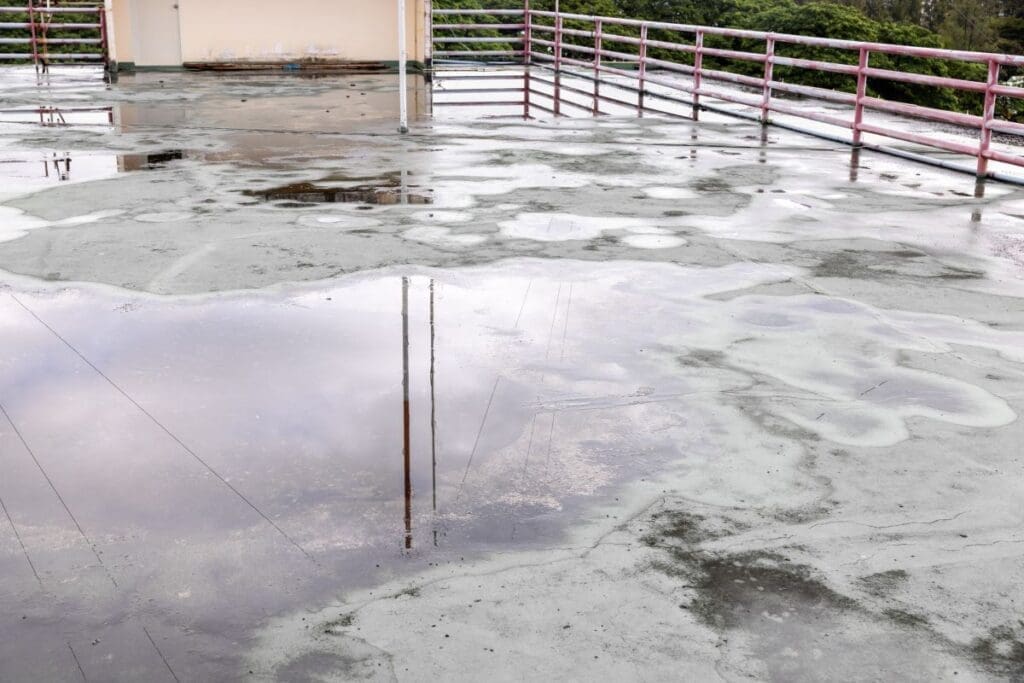
Ponding Water Issues
Flat roofs that experience standing water after storms may benefit from spray foam applications that improve drainage flow.
Persistent ponding can eventually lead to:
- Membrane damage
- Structural deterioration
- Mold growth
- Insulation saturation
Addressing drainage concerns early helps prevent larger roofing failures.
Aging Roofing Systems
Older roofing systems may still have structurally sound substrates beneath deteriorating surfaces.
In some cases, spray foam restoration can extend roof life without requiring complete replacement.
This may reduce:
- Tear-off expenses
- Project downtime
- Material waste
- Operational disruption
Commercial properties in Edison and surrounding areas often benefit from restoration strategies that improve energy efficiency while preserving existing roof structures.
High Maintenance Costs
If roofing repair expenses continue increasing year after year, it may be more cost-effective to invest in a more durable and energy-efficient roofing system.
Spray foam roofing can help reduce:
- Leak repair frequency
- Energy waste
- Ongoing maintenance demands
Long-term savings often become one of the biggest advantages for commercial property owners.
Invest in Long-Term Roof Performance With the Right Insulation Solution
Spray foam roof insulation offers commercial property owners a powerful combination of energy efficiency, waterproof protection, durability, and long-term value. For flat roofing systems, the seamless design and strong insulating performance can help reduce maintenance costs while improving overall building protection. Whether you are dealing with rising energy bills, recurring leaks, or an aging roofing system, understanding your roofing options is an important step toward protecting your property investment.
If you are considering spray foam roofing for your commercial building, Weathertite Solutions can help evaluate your roof and recommend the best approach for your property. Our team proudly serves Edison and surrounding areas with expert inspections, roof restoration services, and long-term roofing solutions designed to maximize performance and reliability. To learn more about improving your roofing system and reducing long-term operating costs, contact us today and schedule a consultation with Weathertite Solutions.