
The roof over your commercial building is one of its most important features—protecting valuable assets, employees, and daily operations. Choosing the best commercial flat roofing system can make all the difference in longevity, energy efficiency, and overall cost of ownership. For property owners in Jersey City and surrounding areas, understanding your choices is crucial when it’s time for a new roof or a major upgrade. If you want to dig deeper into how each system could impact your building’s future, you’ll find helpful insights about roofing options right here.
What you’ll learn in this guide:
- The main types of commercial flat roofing systems available today
- Key pros and cons of each roofing material
- How climate, budget, and building needs shape your decision
- Tips for maintenance and maximizing roof lifespan
- How to select the right contractor for your next project
Why Commercial Flat Roofing Choices Matter
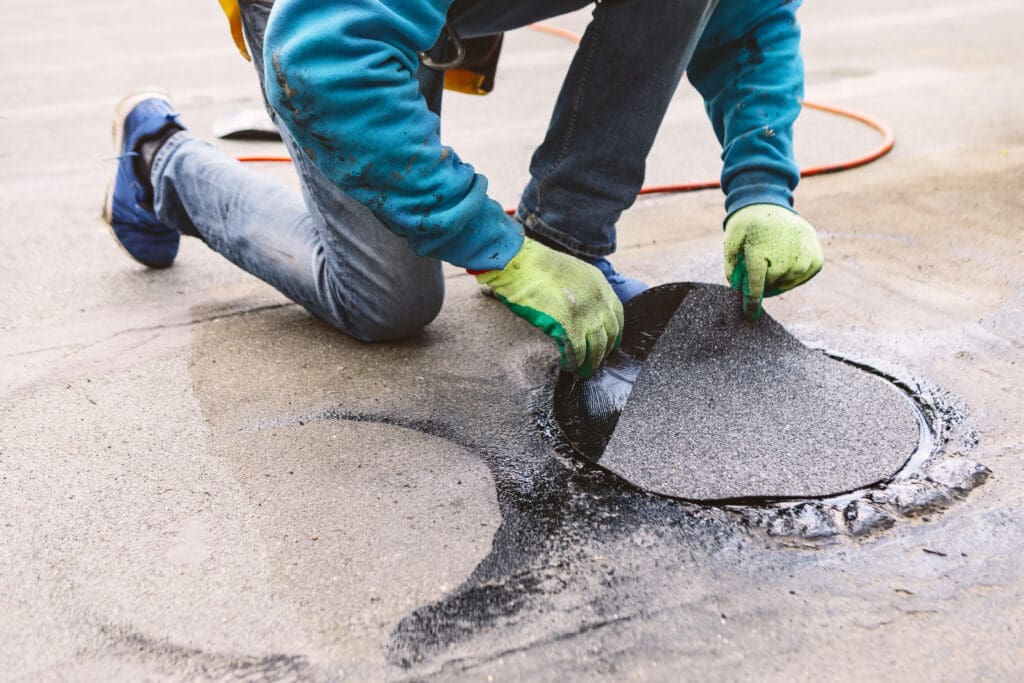
Your commercial roof is an investment that impacts not only your property’s protection, but also its energy performance and value. The decision you make now can have lasting effects for decades, especially in Jersey City and surrounding areas where weather, regulations, and building use can all play a role.
- Long-Term Protection: The right roofing system shields your business from leaks, weather extremes, and structural damage.
- Energy Efficiency: Certain flat roof types provide superior insulation or reflective properties that help control heating and cooling costs.
- Maintenance Needs: Different systems require varied levels of upkeep, impacting your ongoing costs and convenience.
- Project Budget: Upfront price, installation complexity, and lifespan all influence the total cost of ownership.
- Local Compliance: Your choice may affect insurance, code compliance, and even resale value in Jersey City and surrounding areas.
5 Commercial Flat Roofing Systems (Pros & Cons)
Flat roofs come in several proven systems, each with unique strengths and drawbacks. Here’s what property owners in Jersey City and surrounding areas need to know about the most popular options:
1. Built-Up Roofing (BUR)
Built-up roofing, often called “tar and gravel,” has been used for over a century. It consists of layers of bitumen alternated with reinforcing fabrics, finished with a top layer of gravel or mineral.
Pros:
- Excellent waterproofing and protection against foot traffic
- Multiple layers provide redundancy and durability
- Good fire resistance with gravel finish
Cons:
- Heavy—may require structural reinforcement for older buildings
- Messy and time-consuming installation process
- Can be harder to locate and repair leaks
2. Modified Bitumen Roofing
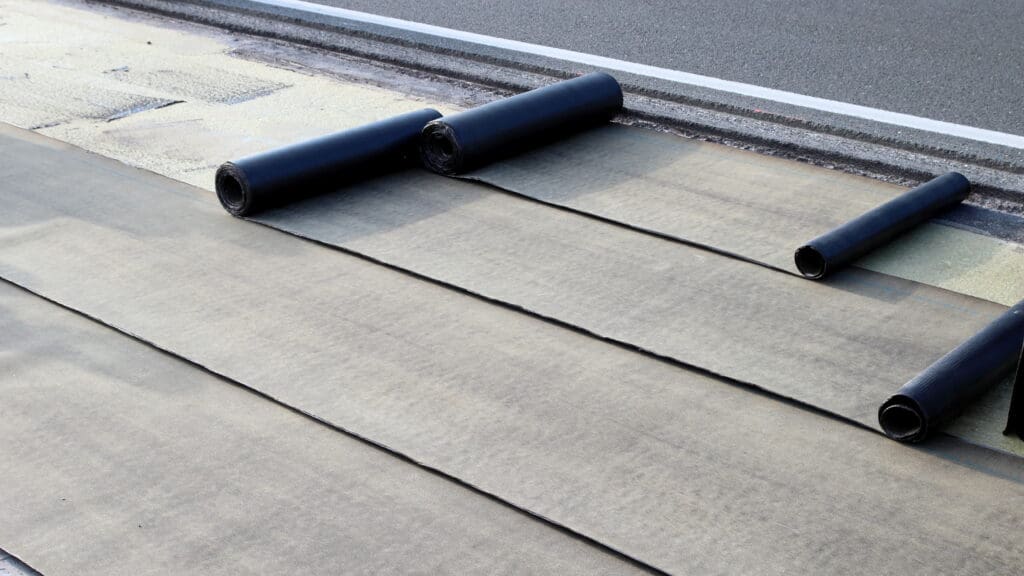
This system builds on BUR’s strengths with added flexibility. Modified bitumen is made from asphalt reinforced with polymers and applied in rolls, often using heat or adhesives.
Pros:
- Durable and flexible, performing well in freeze/thaw cycles
- Can be installed with heat-welded seams for added waterproofing
- Lighter than traditional BUR
Cons:
- Heat installation methods can be hazardous without trained crews
- Less reflective than some other flat roof materials (unless coated)
- Regular inspections needed to catch seam issues early
3. EPDM (Ethylene Propylene Diene Monomer) Rubber Roofing
EPDM is a synthetic rubber membrane available in large sheets, typically black, adhered or mechanically fastened to the roof deck.
Pros:
- Proven longevity (often 25+ years with proper care)
- Quick installation with fewer seams (especially for large roofs)
- Resistant to UV rays and ozone
Cons:
- Vulnerable to punctures from sharp debris or foot traffic
- Dark color absorbs heat, which can raise cooling costs (white options are available, but less common)
- Seams and edges may require periodic resealing
4. TPO (Thermoplastic Olefin) Roofing
TPO is a single-ply white membrane that has grown in popularity due to its balance of cost, performance, and energy savings.
Pros:
- Highly reflective, keeping buildings cooler and reducing AC loads
- Lightweight and flexible for easy installation
- Resistant to algae, mold, and chemical exposure
Cons:
- Quality can vary between manufacturers
- Newer material—long-term real-world data still emerging
- Vulnerable to punctures and may need careful handling during installation
5. PVC (Polyvinyl Chloride) Roofing
PVC is another single-ply option similar to TPO but with a longer track record and slightly different performance profile.
Pros:
- Superior chemical and fire resistance
- Hot-air welded seams create strong, watertight bonds
- Reflective surface reduces heat absorption
Cons:
- Typically more expensive than TPO or EPDM
- Can shrink or become brittle over time if not properly maintained
- Not always suitable for roofs with heavy equipment or frequent foot traffic
Comparing Flat Roofing Systems: At a Glance
Choosing between these options means weighing pros, cons, and your specific priorities. Here’s a quick reference table for Jersey City and surrounding areas property owners:
| System | Avg. Lifespan | Upfront Cost | Reflectivity | Durability | Maintenance |
| BUR | 20–30 years | Moderate | Low | High | Moderate |
| Mod. Bit. | 15–25 years | Moderate | Moderate | Moderate | Moderate |
| EPDM | 20–30 years | Low–Mod. | Low/High* | High | Low |
| TPO | 15–25 years | Low–Mod. | High | Moderate | Low |
| PVC | 20–30 years | Higher | High | High | Low |
*White EPDM options available for greater reflectivity.
How to Choose the Right Flat Roof for Your Property
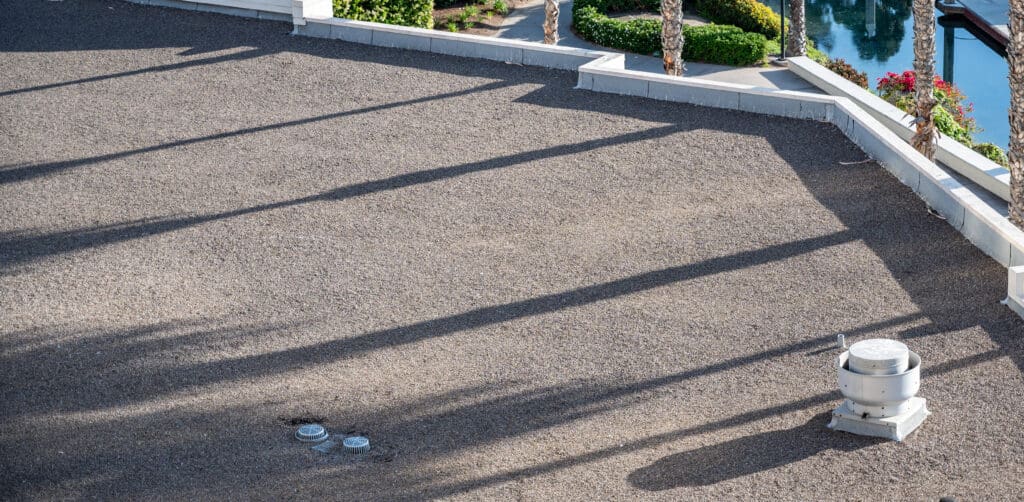
No single roofing system fits every building or budget. Consider these factors to help narrow your choices in Jersey City and surrounding areas:
Building Use and Traffic
- If your roof supports heavy equipment, frequent foot traffic, or requires walkways, choose a material with extra puncture resistance (such as BUR or PVC).
- For minimal-traffic roofs, lighter and less expensive membranes like TPO or EPDM may suffice.
Energy Efficiency Goals
- TPO and PVC offer excellent reflectivity for buildings aiming to reduce cooling loads.
- BUR and traditional EPDM (black) are less reflective but can sometimes be coated for improvement.
Weather and Environmental Conditions
- Jersey City and surrounding areas experience varied seasons, so choose a material that handles freeze/thaw cycles and heavy rains.
- EPDM and modified bitumen perform well in cold climates, while TPO and PVC excel in sun and heat.
Budget and Lifespan
- Consider both the initial investment and total cost of ownership, including maintenance and repairs.
- Less expensive options may have shorter lifespans or higher maintenance needs.
Local Codes and Insurance
- Always check with your local municipality and insurance provider about any material restrictions or incentives.
- Some systems may offer discounts for fire resistance or energy efficiency.
Maintenance Tips for Flat Roofing Longevity
Regardless of the system you choose, proactive maintenance will protect your investment and prevent premature failure. Here’s how to keep your flat roof in top condition:
- Schedule Regular Inspections: Have a professional inspect the roof at least twice per year and after severe storms.
- Clear Drains and Gutters: Standing water is a flat roof’s enemy. Keep drainage pathways clear to prevent leaks and structural damage.
- Repair Small Issues Early: Address punctures, seam splits, and flashing failures before they turn into costly problems.
- Limit Foot Traffic: Use walkways or pads for necessary maintenance visits to minimize wear and tear.
- Document Everything: Keep a record of all inspections, repairs, and warranty paperwork.
Common Flat Roof Problems and Solutions
- Ponding Water: Can lead to leaks and membrane breakdown; often resolved by improving drainage or correcting low spots.
- Blistering or Bubbling: Indicates trapped moisture or poor adhesion; may require patching or partial replacement.
- Flashing Failures: Where the roof meets walls or equipment, flashing can pull away or crack. Regular checks are crucial.
- Membrane Tears/Punctures: Caused by foot traffic or falling debris; can usually be repaired if caught early.
Hiring the Right Commercial Roofing Contractor
Selecting the right contractor is just as important as picking the best material. Here’s what Jersey City and surrounding areas property owners should prioritize:
Local Experience and Reputation
- Choose a contractor familiar with flat roofing projects and regional building codes.
- Check references and look for reviews from other business owners in Jersey City and surrounding areas.
Manufacturer Certifications
- Many top manufacturers certify roofers for their products. This can extend warranties and ensure proper installation.
Detailed Proposals
- Request written proposals with a full breakdown of costs, materials, and timelines.
- A reputable contractor will answer all questions and explain the benefits and trade-offs of each system.
Ongoing Support
- Ask about maintenance plans, emergency repair services, and how warranty issues are handled.
- Building a relationship with your roofer pays off over the lifetime of your roof.
Ready to Explore Your Commercial Flat Roofing Options?
Your roof is a vital part of your business’s protection, efficiency, and value. With the right information and trusted guidance, you can make the best choice for your property in Jersey City and surrounding areas. Weathertite Roofing Solutions has the expertise and proven track record to help you compare materials, weigh costs and benefits, and ensure your new roof is built to last.
If you’re ready to discuss your flat roofing project or want an expert assessment, contact us today for trusted advice and professional service from Weathertite Roofing Solutions.