
Flashing is the detail work that holds a commercial roofing system together. Without it, every penetration, edge, and transition point on your roof becomes a potential leak. Choosing the right metal roof flashing types for your building is not a cosmetic decision. It is a structural one with direct consequences for how long your roof system performs and what it costs to maintain. If flashing on your building has already begun to fail, getting the right professional attention on those vulnerable areas before moisture finds its way in is the smartest move you can make.
Here’s what you’ll learn in this guide:
- Why flashing selection matters as much as the roofing membrane itself
- The most important metal roof flashing types used in commercial construction
- How different flashing materials perform in Northeast climate conditions
- Common flashing failure points and what causes them
- How to evaluate flashing quality when reviewing contractor proposals
Why Flashing Is the Most Critical Detail on Any Commercial Roof
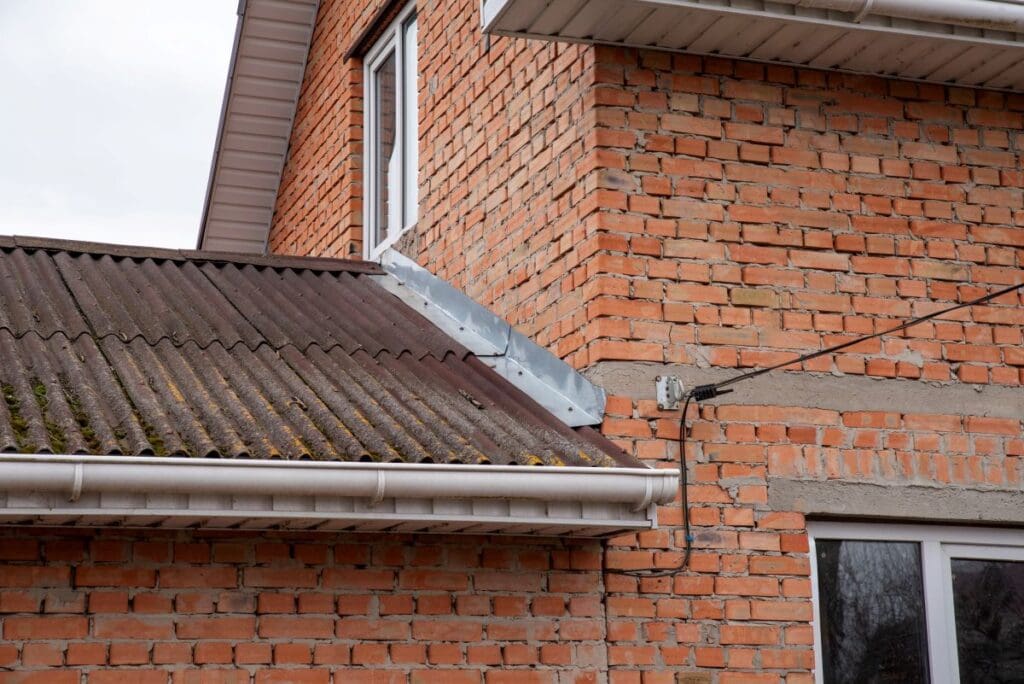
A commercial roof membrane, whether TPO, modified bitumen, metal panel, or EPDM, is only as watertight as its weakest transition point. Flashing covers every location where the roofing system changes plane, meets a vertical surface, or accommodates a penetration. Those are the exact locations where water concentrates and where thermal movement creates the most stress on the roofing assembly over time.
Across New York and surrounding areas, commercial buildings face weather conditions that put flashing under sustained pressure. Freeze-thaw cycling, high winds, and heavy rainfall all work against flashing integrity season after season. Getting the right flashing material in place from the start delivers benefits that compound over the life of the roof.
- Leak prevention at the highest-risk points: The majority of commercial roof leaks trace back to flashing failures rather than field membrane failures. Proper flashing selection eliminates the most common failure mode.
- Thermal movement tolerance: Metal flashing materials expand and contract with temperature changes. Choosing a material with appropriate flexibility for the climate prevents cracking, lifting, and separation at connection points.
- Long service life without frequent replacement: High-quality metal flashing installed correctly can outlast the roofing membrane it protects. Selecting the right material for the application avoids the cost of premature flashing replacement.
- Compatibility with the roofing system: Different flashing metals react differently when in contact with roofing membranes, fasteners, and adjacent metals. Correct material selection prevents galvanic corrosion that degrades both the flashing and the surrounding assembly.
- Code and warranty compliance: Many roofing manufacturer warranties specify acceptable flashing materials. Using the wrong product can void warranty coverage even when the membrane itself is properly installed.
7 Metal Roof Flashing Types For Long Term Use
Not all metal flashing materials perform equally across all applications and climates.Each type has specific strengths, appropriate use cases, and limitations that should factor into the selection process for any commercial roofing project. Here are the most widely used and most reliable metal roof flashing types in commercial construction today.
1. Galvanized Steel Flashing
Galvanized steel is one of the most widely used flashing materials in commercial roofing because of its strength, availability, and cost-effectiveness. It consists of steel coated with a zinc layer that provides corrosion resistance. For commercial buildings across New York and surrounding areas, galvanized steel performs reliably in most standard applications when properly installed and maintained.
- Best suited for areas with limited direct moisture exposure and good drainage away from the flashing surface
- Should not be used in direct contact with copper or aluminum, as galvanic corrosion will occur at the contact point
- Typically available in 26 and 24 gauge for commercial applications; heavier gauge provides longer service life at high-stress locations
2. Galvalume Steel Flashing
Galvalume is a steel substrate coated with an aluminum-zinc alloy rather than pure zinc. The aluminum content significantly improves corrosion resistance compared to standard galvanized steel, particularly in environments with high humidity or salt exposure. For commercial properties in coastal or industrial zones, Galvalume is often the more durable long-term choice over standard galvanized.
- Offers superior corrosion resistance in humid and coastal environments compared to galvanized steel
- Compatible with most commercial roofing membranes and fastener types when properly detailed
- Shares galvanized steel’s incompatibility with copper; avoid direct metal-to-metal contact between the two materials
3. Aluminum Flashing
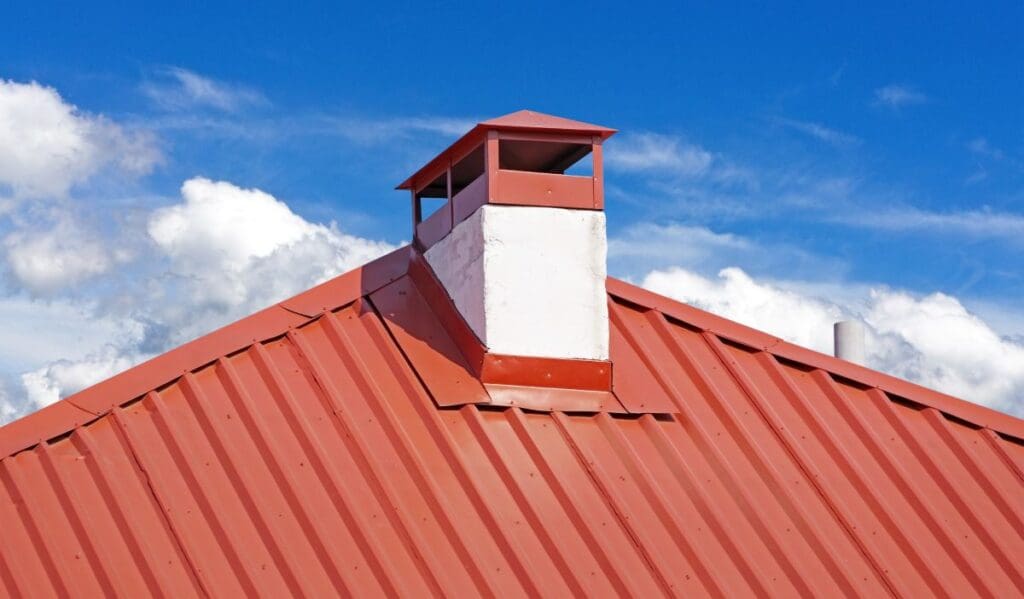
Aluminum is lightweight, naturally corrosion-resistant, and highly workable, which makes it a practical choice for complex flashing geometries around penetrations and irregular roof details. It does not rust, which gives it an advantage over uncoated steel in wet environments. However, aluminum is softer than steel and more susceptible to mechanical damage in high-traffic areas.
- Excellent choice for penetration flashings, pipe boots, and other detail work requiring custom fabrication
- Should not be used in direct contact with concrete, masonry, or pressure-treated lumber without a protective barrier, as alkaline and chemical exposure causes accelerated corrosion
- Not recommended for areas subject to heavy foot traffic or physical impact from rooftop equipment installation and service
4. Copper Flashing
Copper is one of the highest-performing and longest-lasting flashing materials available. Its natural patina forms a protective oxide layer that prevents further corrosion, and properly installed copper flashing can remain functional for 50 years or more. For commercial properties where longevity and minimal maintenance are the priority, copper represents a premium investment that pays off over the life of the building.
- Ideal for high-value buildings, historic structures, and any application where flashing replacement would be extremely disruptive or costly
- Must not be used in contact with galvanized steel, aluminum, or Galvalume without isolating materials, as copper ions accelerate corrosion in adjacent metals
- Requires skilled fabrication and installation; improper copper flashing work can introduce compatibility issues that undermine its longevity advantages
5. Lead Flashing
Lead has been used in commercial and institutional roofing for centuries because of its exceptional malleability and durability. It conforms easily to irregular surfaces and penetrations, making it particularly effective for complex chimney, skylight, and parapet wall details. Lead is also highly resistant to corrosion across a wide range of environmental conditions.
- Particularly well suited for step flashing, chimney flashing, and other applications requiring tight conformance to irregular masonry surfaces
- Heavy weight relative to other flashing metals; structural loading should be considered in the design phase
- Handling and disposal are subject to regulatory requirements in many jurisdictions; work with contractors familiar with local environmental compliance standards across New York and surrounding areas
6. Stainless Steel Flashing
Stainless steel offers the highest corrosion resistance of any steel-based flashing material. It performs exceptionally well in aggressive environments including coastal zones, industrial areas with chemical exposure, and buildings subject to persistent moisture. While it carries a higher material cost than galvanized or Galvalume steel, its longevity in demanding conditions makes it a cost-effective choice for critical flashing locations.
- The preferred choice for flashing at drain collars, overflow scuppers, and other locations subject to constant or frequent water contact
- Type 304 stainless is appropriate for most commercial applications; Type 316 provides additional chloride resistance for coastal environments
- Compatible with most commercial roofing systems and does not create galvanic corrosion issues with the same frequency as other dissimilar metal combinations
7. Zinc Flashing
Zinc is increasingly specified on commercial projects for its combination of longevity, sustainability, and self-healing properties. The zinc oxide patina that forms on the surface seals minor surface scratches over time, extending the effective life of the flashing without intervention. Zinc’s natural appearance also weathers to a refined gray that suits architectural applications where flashing visibility is a design consideration.
- Excellent long-term corrosion resistance with minimal maintenance requirements once the protective patina has fully developed
- Should be isolated from copper and steel in contact applications to prevent galvanic corrosion
- Requires proper ventilation on the underside in enclosed applications to prevent underside corrosion from condensation
Common Flashing Failure Points and What Causes Them
Knowing which metal roof flashing types perform best is only part of the equation. Understanding where and why flashing fails in practice helps property owners evaluate existing roof conditions and ask the right questions during contractor inspections.
- Material fatigue at movement joints: Flashing at expansion joints and transitions between roof sections absorbs significant thermal movement. Rigid materials without adequate expansion accommodation crack over time.
- Galvanic corrosion at dissimilar metal contact: When incompatible metals touch, an electrochemical reaction accelerates corrosion in the less noble material. This is one of the most preventable flashing failures and one of the most commonly overlooked during installation.
- Improper termination and sealant failure: Flashing that is not properly terminated into reglets, counterflashing, or sealant joints allows water to track behind the flashing face. Sealant-only terminations have a finite service life and require periodic inspection and maintenance.
- Fastener corrosion: The fasteners securing flashing to the substrate corrode independently of the flashing material itself, particularly when fastener material is not matched to the flashing metal. Corroded fasteners allow flashing to move and eventually detach.
- Inadequate lap and overlap dimensions: Flashing sections that are lapped with insufficient overlap allow wind-driven rain to enter at the joint. Manufacturer and code-specified lap dimensions exist for this reason and must be followed during installation.
How to Evaluate Flashing Quality in a Contractor Proposal
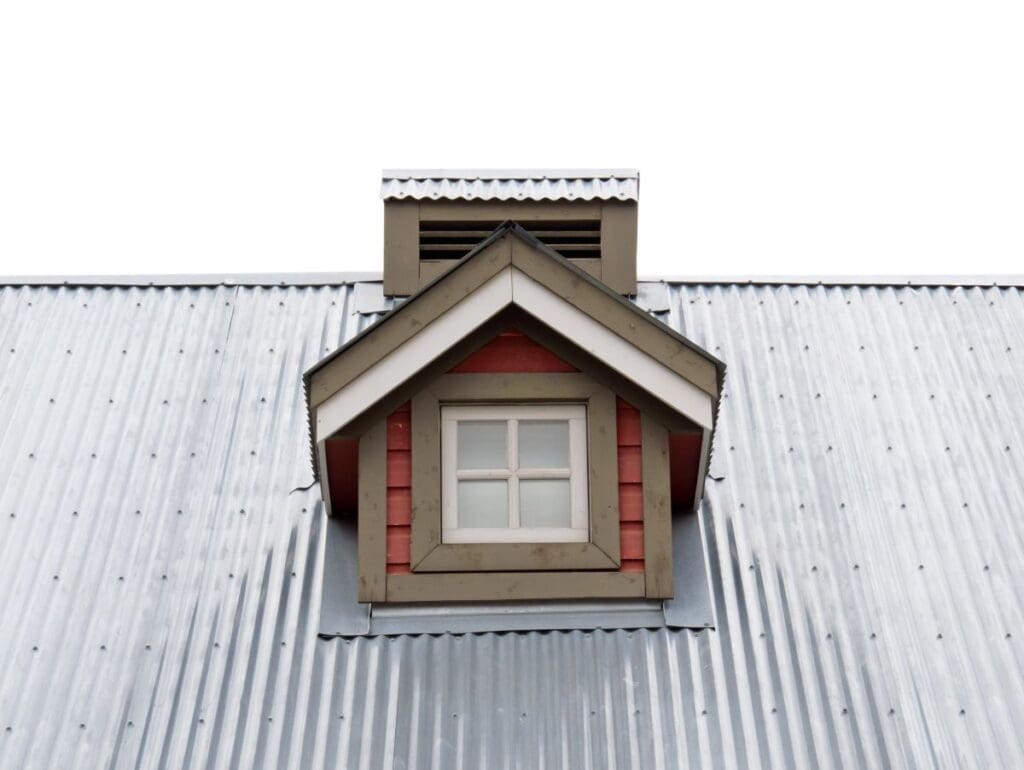
When reviewing proposals for commercial roof installation, replacement, or repair, the flashing specification is one of the most important details to scrutinize. Vague flashing specifications are a red flag that should prompt follow-up questions before any contract is signed.
What to Ask About Flashing Material Selection
A qualified contractor should be able to explain specifically which flashing material they are recommending for each detail location on your roof and why that material is appropriate for your system type, climate, and budget.
- Ask for the specific flashing metal type and gauge for each application: base flashing, counterflashing, drip edge, step flashing, and penetration details
- Confirm that the specified flashing metals are compatible with each other and with the roofing membrane material
- Verify that the contractor’s flashing specification meets the requirements of your roofing system’s manufacturer warranty
What to Look for in Flashing Installation Quality
Material selection and installation quality are equally important. The best flashing material installed incorrectly will fail just as quickly as an inferior material. Look for contractors who document their flashing installation with photos and who can describe their quality control process for detail work.
| Flashing Type | Best Material Options | Key Compatibility Note |
| Drip edge and perimeter | Galvalume, aluminum, copper | Match to membrane and fastener metal |
| Step and counter flashing | Lead, copper, stainless steel | Isolate from incompatible adjacent metals |
| Penetration and pipe boot | Aluminum, lead, stainless steel | Seal terminations with compatible sealant |
| Drain collar and scupper | Stainless steel, copper | Prioritize corrosion resistance at water contact |
| Expansion joint cover | Galvalume, stainless steel | Allow for thermal movement in the design |
For commercial buildings across New York and surrounding areas, insisting on a detailed flashing specification before signing any roofing contract is one of the highest-value steps a property owner or facility manager can take. Flashing accounts for a small percentage of roofing material costs but protects the entire investment.
Your Flashing Deserves the Same Attention as Your Membrane
A commercial roof with a premium membrane and poorly specified or installed flashing will leak. The transition points, edges, and penetrations are where weather gets in, and flashing is the only thing standing between those vulnerable locations and your building interior. Treating flashing as a secondary detail rather than a critical system component is one of the most expensive assumptions a property owner can make.
Weathertite Solutions serves commercial property owners across New York and surrounding areas with flashing specification, installation, and repair work that reflects the same standards we apply to every other part of the roofing system. Whether you are planning a new installation, evaluating an existing roof’s flashing condition, or dealing with an active leak at a transition point, we have the expertise to get it right. Contact us today to schedule an inspection and find out exactly what your roof’s flashing needs.