
Felt-based flat roofs are widely used across commercial properties, and when roof leaks appear, the instinct is often to patch it quickly and move on. But rushed or uninformed repairs frequently cause further damage. Knowing how to repair flat roof felt the right way means understanding not just the fix, but the mistakes that cause those fixes to fail within a season. Before you commit to any repair approach, getting expert assessment of the damage and its underlying cause is what separates a lasting solution from a temporary one.
Here’s what you’ll learn in this guide:
- Why flat roof felt repairs fail and what drives those failures
- The six most common mistakes made during felt roof repairs
- How professional roofers approach repair differently than DIY attempts
- What signs indicate roof felt damage has progressed beyond repair
- When emergency repairs are necessary and how to respond
What Makes Roof Felt Systems Worth Understanding
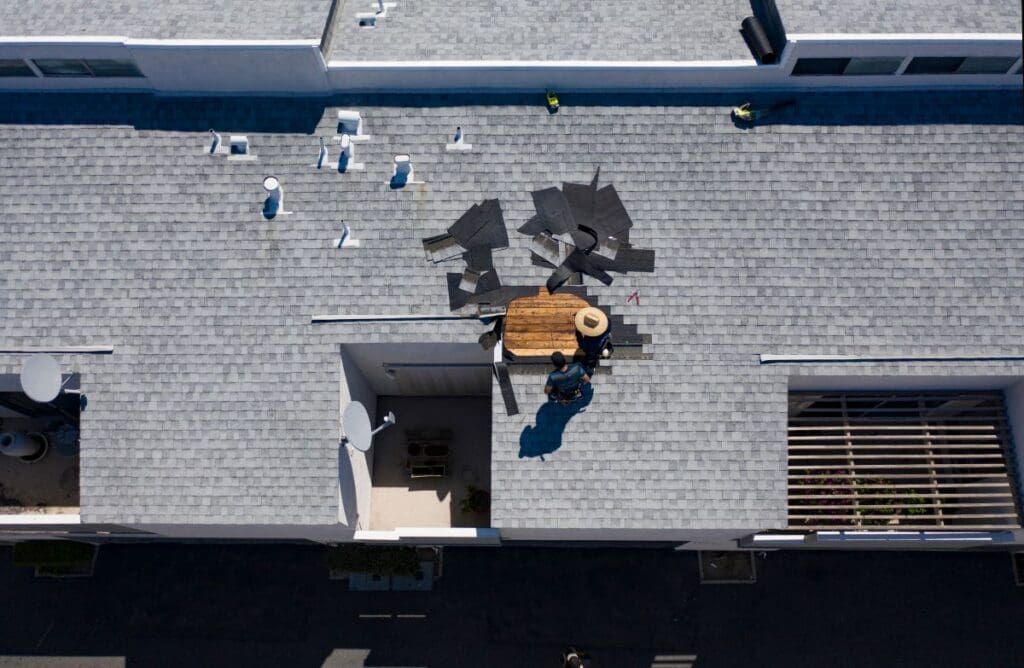
Built-up roofing and torch-on roof felt systems have been reliable workhorses for commercial flat roofs for decades. Across New Jersey and surrounding areas, they remain common on warehouses, retail buildings, and multi-unit properties where low-slope roofing is the standard. Their durability is genuine, but it comes with a condition: the system performs as designed only when roof repairs are done correctly and with compatible materials. A felt roof that has been improperly patched, coated over without proper prep, or left with unaddressed underlying damage will fail faster than one that received no repair at all.
Understanding the most frequent repair mistakes helps property owners make better decisions and ask better questions when evaluating contractors. Here is why getting felt roof repairs right the first time matters:
- Long-term cost control: A properly executed repair patch extends the life of the existing system. A failed repair accelerates the timeline to full replacement, often by years.
- Deck and structural protection: Roof felt layers that are improperly sealed allow moisture to reach the roof deck. Once decking is saturated, the repair scope expands significantly in both cost and complexity.
- Prevention of further damage: Every week a roof leak goes unresolved, moisture spreads further into insulation, decking, and interior materials. Fast, correct repairs stop that progression before it compounds.
- Insulation performance: Moisture that bypasses a failed repair saturates insulation boards beneath the membrane, reducing thermal performance and adding hidden replacement costs to the overall job.
- Interior damage prevention: A felt roof repair that holds through one season but fails in the next creates repeat water intrusion events that cause cumulative damage to ceilings, walls, inventory, and equipment.
6 Mistakes To Avoid When Repairing Flat Roof Felt
Flat roof felt repair is not a forgiving process. The margin for error is narrow, and the consequences of getting it wrong show up quickly. These are the six mistakes that cause the most felt roof repairs to fail, and that any experienced professional roofer will tell you to avoid.
1. Patching Over Wet or Damp Felt
Moisture trapped beneath a repair patch is one of the most reliable ways to guarantee that repair will fail. Roof felt that has absorbed water, whether from recent rainfall, ponding water, or an active leak, needs to be thoroughly dried before any patch material is applied. Adhesion between new felt, bitumen, or felt adhesive and a wet substrate is poor at best and nonexistent at worst. In cold weather across New Jersey and surrounding areas, trapped moisture also freezes and expands beneath the patch, causing it to lift and separate within a single winter cycle.
- Allow adequate drying time after any rain event before attempting roof repairs
- Use moisture meters to confirm substrate dryness before proceeding, especially in humid conditions
- If the roof felt has been wet repeatedly, assess whether the underlying insulation has also absorbed moisture before patching
2. Failing to Address the Root Cause of Roof Leaks
Patching the visible damage without identifying what caused the roof leak is the most common reason felt roof repairs fail prematurely. A crack or blister in the roof felt is a symptom. The cause might be inadequate drainage creating chronic ponding water, a flashing failure allowing water under the felt at a perimeter or penetration, or substrate movement creating ongoing stress on the membrane. Applying a repair patch to the symptom while the cause continues operating guarantees repeat failures and further damage across the surrounding felt field.
- Inspect the full flat roof surface and all drainage outlets before committing to a repair location
- Check flashings at every penetration, parapet, and edge detail when a field repair is needed
- If ponding water is present in the area of damage, drainage must be addressed as part of the repair scope, not as a separate future project
3. Using Incompatible Materials With the Existing Roof Felt
Felt roof systems are not all identical. Built-up roofing, torch-on modified bitumen, and cold-applied felt systems each have specific compatible repair products. Using a sealant, repair patch, or felt adhesive designed for a different system type results in poor adhesion, chemical incompatibility, or differential movement that breaks the repair bond quickly. This mistake is especially common when property owners or inexperienced contractors source repair materials without knowing the existing system specification.
- Identify the existing roof felt type before selecting any repair material or felt adhesive product
- Torch-on modified bitumen repairs require compatible cap sheet material applied with proper heat
- Cold-applied systems require cold-process felt adhesive products; mixing hot and cold application methods creates weak bonds that fail under thermal movement
4. Cutting the Repair Patch Too Small
Undersized repair patches are a consistent source of premature failure on flat roofs. A patch that only covers the visible damage point leaves insufficient overlap with the surrounding sound felt for adhesion to hold under thermal movement and weather exposure. The standard in professional flat roof felt repair is to extend the repair patch well beyond the damage perimeter on all sides, with the exact overlap distance depending on the system type and the severity of the underlying damage.
- Repair patches that are too small lift at the edges first, creating a new roof leak path around the original repair
- Larger repairs often require feathering the existing roof felt surface at the perimeter to allow the patch to sit flat
- A professional roofer will always err toward a larger, more secure repair patch rather than a minimal one that saves material at the expense of longevity
5. Skipping Surface Preparation Before Applying Felt Adhesive
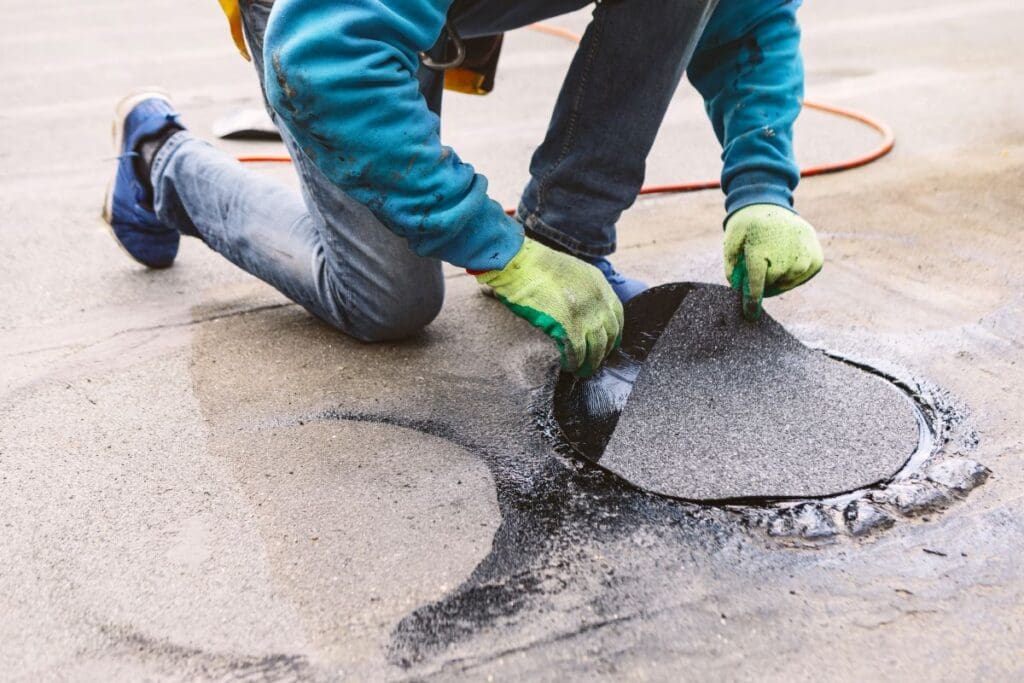
Proper surface preparation is what allows felt adhesive and repair materials to bond correctly to the existing roof felt. Surfaces that are dirty, chalky, oxidized, or contaminated with previous sealant applications do not accept new adhesive or coating materials properly. Skipping preparation steps is a time-saving shortcut that shortens the life of the repair significantly. This is one of the clearest areas where a professional roofer’s process outperforms rushed emergency repairs done without the right steps.
- The damaged area and surrounding roof felt must be cleaned of all debris, loose granules, and contaminants before felt adhesive or patch material is applied
- Oxidized or weathered felt surfaces benefit from priming before repair patch application to improve felt adhesive bond strength
- Any previous sealant or coating that is lifting, bubbling, or incompatible must be removed rather than coated over, since layering incompatible materials creates a weak point that fails under the first significant weather event
6. Patching a Felt Roof That Needs Full Restoration
Not every flat roof damage situation calls for individual roof repairs. When a felt system has widespread cracking, multiple roof leaks across different zones, saturated insulation, or has exceeded its service life, continued patching becomes an expensive holding pattern rather than a real solution. Each repair patch adds cost without addressing the cumulative deterioration of the overall system, and the interval between failures gets shorter as the roof ages. Recognizing this threshold is something an experienced professional roofer identifies during a proper assessment.
- If more than 20 to 25 percent of the flat roof surface shows damage or has been previously patched, restoration is likely the more economical long-term decision
- Repeated roof repairs in the same location within a short timeframe signal that the system beneath the patch is no longer sound
- A professional assessment that includes moisture scanning gives property owners the full picture rather than just addressing the most visible roof leak
Emergency Repairs vs. Planned Roof Repairs: Knowing the Difference
Not all flat roof situations carry the same urgency. Understanding the difference between a condition that requires emergency repairs and one that can be scheduled allows property managers to respond proportionately and avoid panic decisions that lead to poor contractor choices.
- Emergency repairs are warranted when an active roof leak is entering the building, water is pooling near electrical systems or in occupied spaces, or storm damage has opened a large section of roof felt to direct weather exposure.
- Planned roof repairs are appropriate when damage is identified during a routine inspection, a small area of roof felt has begun to blister or crack but is not yet admitting water, or flashing is lifting but still maintaining basic contact with the surface.
- Regular maintenance prevents both scenarios by catching developing problems before they become either a scheduled repair need or an after-hours emergency call.
For commercial properties across New Jersey and surrounding areas, having an established relationship with a professional roofer before an emergency occurs is one of the most practical risk management steps a facility manager can take. Emergency repairs completed under time pressure without proper surface preparation or compatible felt adhesive products are exactly the conditions that produce the mistakes described in this guide.
When Felt Roof Repairs Give Way to Full Restoration
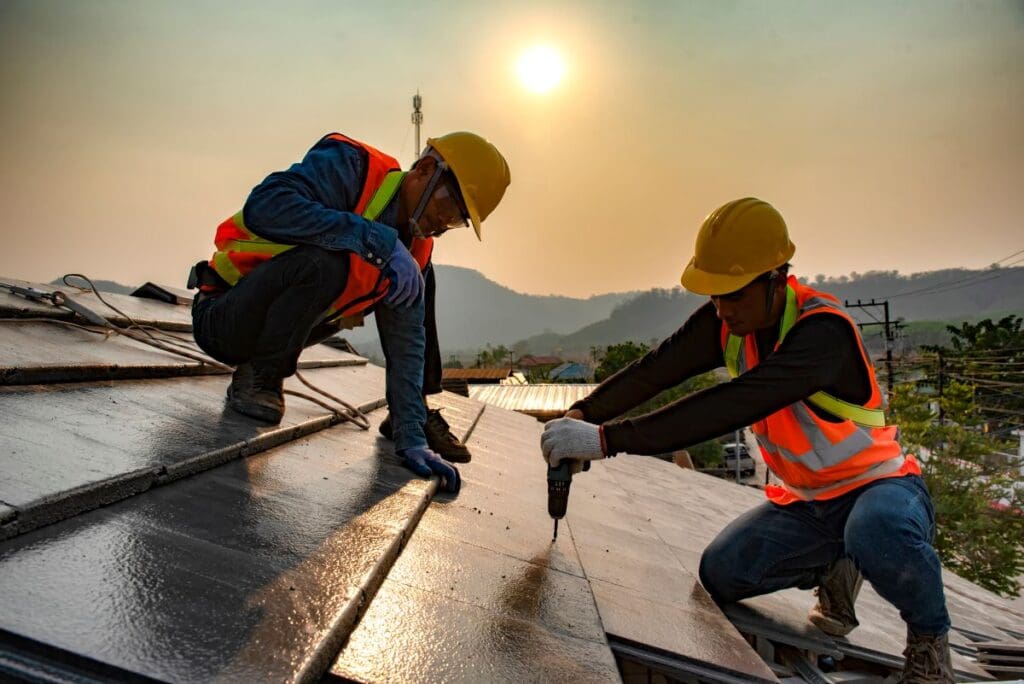
Property owners across New Jersey and surrounding areas often face a decision point where individual roof repairs are no longer the right answer. Understanding the threshold between repair and restoration is important for capital planning and for avoiding the trap of spending repair dollars on a flat roof that has already run its course.
Signs the Felt Roof Needs More Than a Repair Patch
| Condition | Repair Appropriate? | Restoration or Replacement? |
| Single isolated crack or blister on sound membrane | Yes | No |
| Multiple roof leaks across different zones | Unlikely | Likely |
| Ponding water causing widespread felt saturation | No | Yes |
| Repair patches failing within one to two seasons | No | Yes |
| Felt roof at or past expected service life | No | Yes |
| Widespread surface cracking across the field membrane | No | Yes |
Restoration as a Cost-Effective Middle Path
When a felt roof is structurally sound but showing widespread surface deterioration, a full coating restoration can be a more cost-effective option than replacement. Elastomeric or bituminous coatings applied over properly prepared roof felt can restore waterproofing performance and add years to the system’s service life without the disruption and cost of full tear-off. This option is only viable when the underlying felt and insulation are dry and structurally intact, which is another reason that a thorough professional roofer assessment before committing to any approach is essential.
Regular maintenance between restoration cycles keeps the coating performing and catches new roof leaks or damage before they penetrate the restored surface. A consistent inspection and maintenance schedule is what separates a flat roof that reaches its full service life from one that requires emergency repairs every season.
Get Your Flat Roof Felt Repair Done Right
A felt roof repair that fails is not just a wasted expense. It is a missed window to protect your building from the further damage that accumulates between the first roof repair and the next. Every season a flat roof goes without a properly executed fix is a season that expands the scope of what eventually needs to be done.
Weathertite Solutions works with commercial property owners and facility managers across New Jersey and surrounding areas to assess felt roof systems accurately, recommend the right repair or restoration approach, and execute the work with the compatible materials and proper surface preparation the system requires. Whether you are dealing with an active roof leak, a pattern of repeat repairs, or a flat roof that has not had regular maintenance in years, the right answer starts with an honest assessment from a professional roofer. Contact us today to schedule your inspection and find out exactly what your felt roof needs.