
Metal roofing is built to last, but it is not immune to damage. Corrosion, fastener failures, seam separations, and storm impacts can compromise a system that was otherwise performing well for decades. The key is knowing which warning signs demand immediate action and which issues turn into costly structural problems when ignored. Understanding how to repair metal roof damage correctly starts with recognizing the signs, and getting the right professional hands on your roof quickly is what keeps a manageable repair from becoming a full replacement.
Here’s what you’ll learn in this guide:
- The most urgent warning signs that your metal roof needs professional repair
- Why metal roof problems escalate faster than most property owners expect
- How different types of metal roof damage are assessed and addressed
- What repair methods are used for common metal roofing issues
- How to choose a contractor with the right experience for commercial metal roofing
Why Metal Roof Repairs Should Never Be Deferred
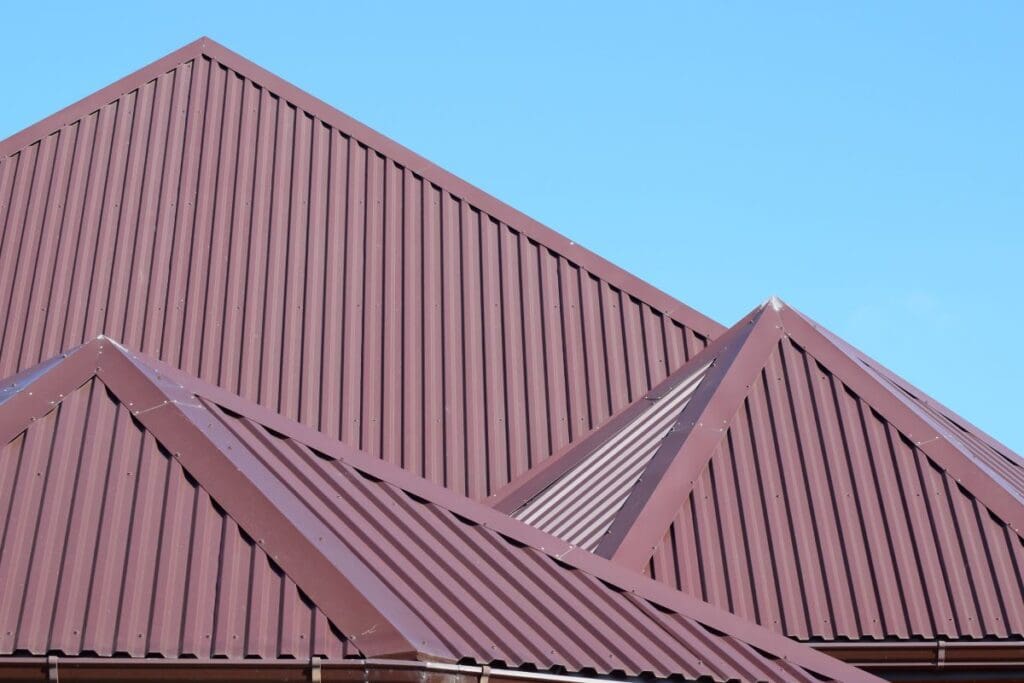
Metal roofing earns its reputation as one of the most durable commercial roofing systems available. Properly installed and maintained, a standing seam or exposed fastener metal roof can perform reliably for 40 years or more. But that longevity depends on addressing damage promptly when it occurs. Across Pennsylvania and surrounding areas, commercial buildings with metal roofs face a climate that accelerates deterioration when problems go unaddressed: freeze-thaw cycles expand small cracks, heavy rainfall exploits even minor seam separations, and humid summers drive corrosion in compromised areas.
Deferring metal roof repairs is one of the most financially damaging decisions a property owner or facility manager can make. Here is why acting quickly matters:
- Contained repair costs: A small seam separation or isolated rust patch costs a fraction of what a large-scale membrane failure or deck replacement runs. Early intervention keeps repair scopes narrow.
- Membrane and deck protection: Once water breaches the metal panel layer, insulation and roof deck materials absorb moisture rapidly. Wet insulation loses R-value and saturated decking can require full tear-out.
- Business continuity: Active leaks in a commercial facility create immediate operational disruption. Emergency repairs are more expensive, more disruptive, and harder to schedule than planned service visits.
- Corrosion control: Rust spreads. A small corrosion spot left untreated accelerates outward and can compromise adjacent panels, fasteners, and flashing assemblies in a single season.
- Warranty compliance: Many commercial metal roofing warranties require timely repairs to remain valid. Documented neglect of visible damage is frequently cited by manufacturers when denying claims.
8 Signs Showing How To Repair Metal Roof Urgently
The warning signs of a failing metal roof are usually visible if you know what you’re looking for. Each of the following conditions signals a specific type of damage with its own urgency level and repair approach. None of them should be deferred once identified.
1. Rust Staining or Active Corrosion on Panel Surfaces
Surface rust on a metal roof is not merely cosmetic. It indicates that the protective coating on the panel has been compromised, and active oxidation is working through the metal beneath. Left alone, rust patches perforate panels and create open water entry points. On buildings across Pennsylvania and surrounding areas, corrosion frequently accelerates during freeze-thaw cycles when water repeatedly enters and expands microscopic surface damage.
- Small, isolated rust spots can often be treated with rust-inhibiting primer and elastomeric coating
- Panels with through-corrosion or large rust fields typically require full panel replacement
- Rust at fastener locations is especially urgent because fasteners are already a leak-prone point in the system
2. Loose, Missing, or Backing-Out Fasteners
Exposed fastener metal roofing systems rely on screws driven through the panel and into the structural substrate beneath. Over time, thermal expansion and contraction cycles cause fasteners to back out, and the rubber washers beneath the fastener head deteriorate and lose their seal. A single backed-out fastener creates a direct water entry point, and the problem rarely appears in isolation: if one fastener is backing out, others in the same thermal zone are likely following.
- Back-out fasteners are identifiable as raised screw heads with visible gap beneath the washer
- Deteriorated washer material often appears cracked, compressed flat, or missing entirely
- Repair involves driving new fasteners of appropriate size into solid substrate and sealing properly
3. Open or Separated Panel Seams
Standing seam metal roofing connects panels through mechanical locks at the seam rather than through exposed fasteners. When those seams separate due to thermal movement, improper installation, or age, they create long, linear water entry paths that are difficult to detect from inside the building until significant moisture damage has already occurred.
- Seam separations are often visible as lifted panel edges or gaps along the seam profile
- Wind uplift events frequently cause seam separations, making post-storm inspection critical
- Repair methods vary by seam type; some allow re-engagement of the mechanical lock while others require seam sealing or panel replacement
4. Flashing Failures at Penetrations, Ridges, and Valleys
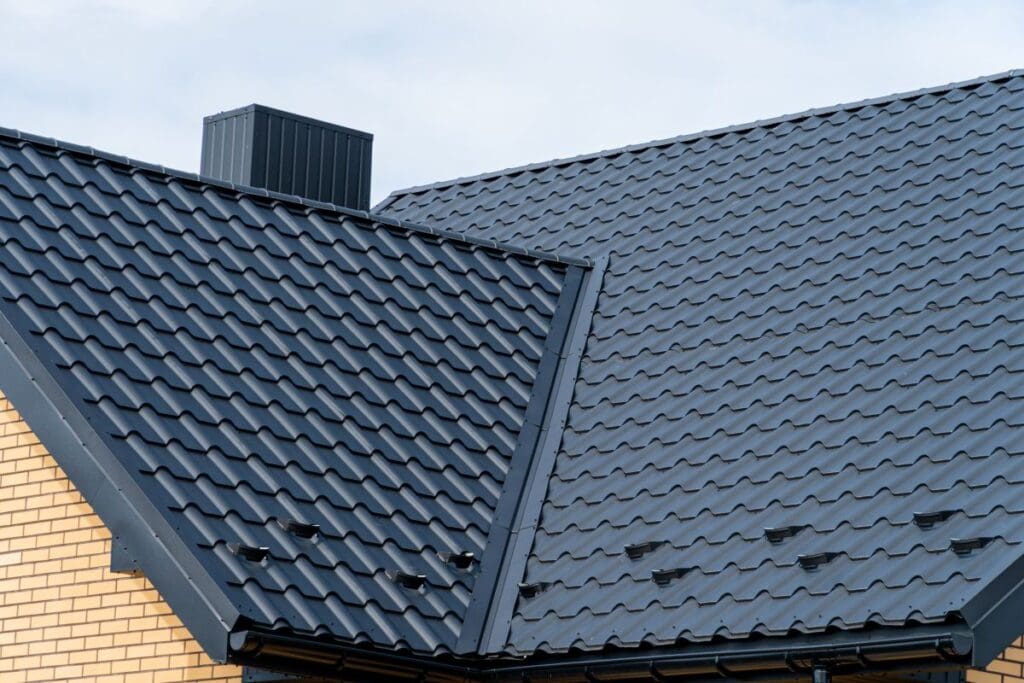
Flashing is the transition material that seals the metal roofing system at every point where panels meet a wall, penetration, ridge cap, or change in plane. It is the most leak-prone area on any metal roof because it is subject to the greatest movement and the most complex geometry. Failed flashing is among the most common reasons commercial metal roofs leak even when the panels themselves are in good condition.
- Ridge cap flashing lifting or separating from the panel surface is a frequent post-wind-event finding
- Pipe boot flashings around penetrations crack and shrink with age, creating gaps around fastener entry points
- Valley flashing that has shifted or separated allows concentrated water flow to enter the roof assembly
5. Panel Dents, Punctures, or Impact Damage
Hail, falling debris, and rooftop equipment work can physically damage metal panels. Dents that deform the panel profile create low points where water pools rather than drains. Punctures are obvious water entry points. Impact damage also compromises protective coatings in ways that accelerate corrosion even when a perforation has not occurred.
- Minor dents without coating damage may be monitored with regular inspection
- Any puncture or crack in a panel surface requires immediate repair or panel replacement
- Coating damage from impact should be treated with compatible primer and coating promptly to prevent rust initiation
6. Interior Water Stains, Rust Streaks, or Ceiling Damage
By the time water shows up on interior ceilings or walls, the metal roof has been compromised for some time. Metal panels and flashings don’t fail suddenly in most cases. Water typically enters at a small breach and travels along the panel or through insulation before appearing at the interior surface, often a significant distance from the actual entry point.
- Interior staining is a lagging indicator, meaning the roof problem is older and potentially larger than the stain suggests
- Rust streaks on interior steel decking indicate prolonged moisture exposure that has already affected structural components
- An interior leak should trigger an immediate full-roof inspection, not just a targeted patch at the point above the stain
7. Buckling, Oil Canning, or Visible Panel Distortion
Oil canning refers to the visible waviness or rippling of flat metal panel areas under stress. While some minor oil canning is inherent to the material and not a performance concern, significant buckling or panel distortion can indicate substrate movement, improper installation, or thermal stress that has exceeded design tolerances. Panel distortion that has progressed to buckling creates seam stress and drainage problems that accelerate system failure.
- Moderate oil canning without seam stress is generally a cosmetic concern rather than an urgent structural one
- Buckling that affects seam engagement or creates standing water zones requires professional assessment
- Distortion near penetrations or at panel ends often points to fastener or substrate issues beneath the panel
8. Ponding Water on Low-Slope Metal Roof Sections
Many commercial metal roofing systems include low-slope sections or transitions where drainage is more dependent on proper panel pitch and outlet placement than on slope alone. When those areas begin holding water after rainfall, it signals either a drainage problem, panel deflection, or substrate settlement that is changing the roof geometry. Standing water on a metal roof accelerates corrosion, adds structural load, and works its way into any small breach with far more persistence than water that sheds freely.
- Ponding that appears in new locations after a storm may indicate panel deflection or substrate movement beneath
- Water sitting against flashing edges at walls, curbs, or parapets is a particularly high-risk condition
- Algae or dark staining in consistent locations is a reliable indicator of chronic ponding even when the roof is dry during your inspection
How Metal Roof Repairs Are Assessed and Completed
Understanding what a professional repair process looks like helps property owners evaluate contractor proposals and set accurate expectations before work begins. Metal roof repair is not a one-size-fits-all task. The approach depends on the system type, the damage category, and the extent of the affected area.
Professional Assessment Process
A qualified contractor begins with a full-roof inspection rather than addressing only the reported problem area. Metal roof failures are frequently systemic, meaning the visible damage point is one of several locations where the system is compromised.
- Infrared scanning can be used to locate moisture trapped beneath panels or within insulation that is not visible at the surface
- Fastener condition is evaluated across the entire roof, not just at reported problem areas
- Flashing and penetration details are examined independently because they fail on different timelines than panel fields
Common Repair Methods for Commercial Metal Roofing
- Panel replacement: Damaged or corroded panels are removed and replaced with matching material, including restoration of underlayment and fastener patterns beneath
- Seam sealing: Separated or compromised seams are cleaned, primed, and sealed with compatible sealant or covered with metal seam tape designed for the panel profile
- Flashing replacement: Failed flashing assemblies are removed entirely and reinstalled with properly fitted material, correctly lapped and fastened
- Roof coating application: Where panels have sound structural integrity but compromised protective coatings, a full-system elastomeric or silicone coating can restore waterproofing performance and extend service life significantly
Choosing the Right Contractor for Commercial Metal Roof Repairs
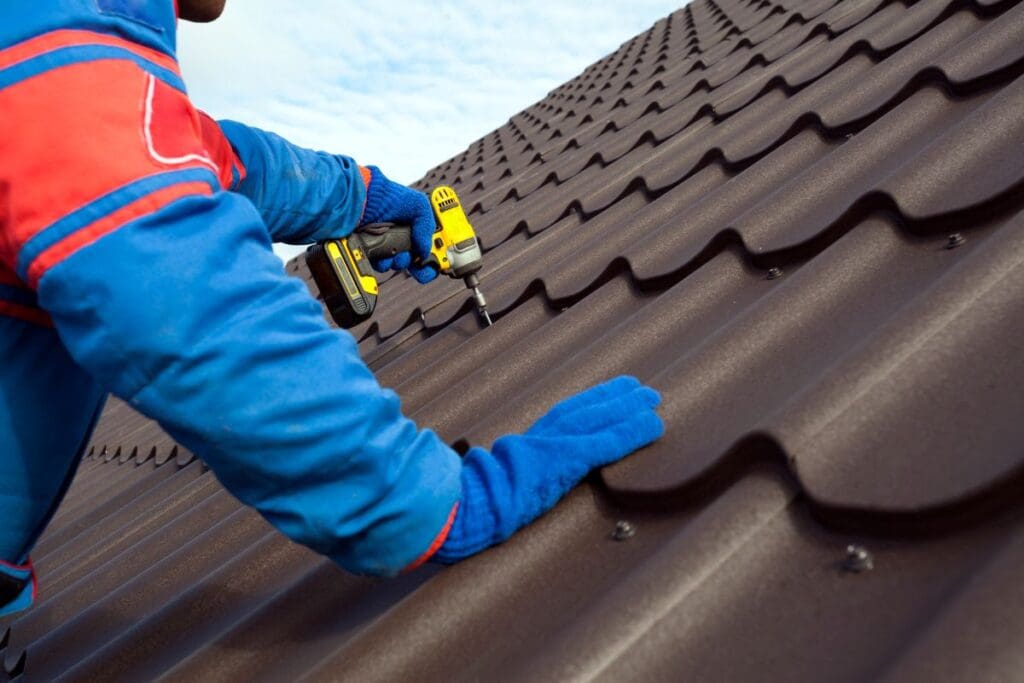
Metal roofing repair requires specific knowledge of system types, panel profiles, and compatible materials. Hiring a contractor without verified metal roofing experience risks improper repairs that fail quickly or void manufacturer warranties.
| What to Verify | Why It Matters |
| Commercial metal roofing experience | Residential metal roofing and commercial systems differ significantly in panel type, fastening, and repair approach |
| Manufacturer certifications | Approved contractors have access to warranty-backed materials and repair specifications |
| Familiarity with your panel system | Standing seam, exposed fastener, and metal retrofit systems each require different repair protocols |
| Written repair scope and documentation | Professional contractors provide detailed assessments, not verbal estimates |
| Regional experience | Contractors serving Pennsylvania and surrounding areas understand how local freeze-thaw and humidity conditions affect metal roofing systems |
Ask any prospective contractor to walk you through their inspection process and explain how they determined the repair scope. A contractor who can articulate exactly what they found, why it matters, and what the repair will accomplish is the right person for the job. One who leads with a price before completing a thorough inspection is not.
Your Metal Roof Needs Attention Now, Not Later
Every season that passes without addressing a known metal roof problem is a season that expands the damage and the repair bill. The signs covered in this guide are not theoretical. They appear on commercial metal roofs across Pennsylvania and surrounding areas regularly, and in nearly every case, the property owners who acted quickly spent significantly less than those who waited.
Weathertite Solutions brings commercial roofing expertise to metal roof repair and assessment across Pennsylvania and surrounding areas, with the documentation, manufacturer relationships, and technical knowledge to get repairs done right the first time. If you’ve seen any of these warning signs on your building, don’t let another weather event make the decision for you. Contact us today to schedule a professional inspection and find out exactly what your metal roof needs.