
A green roof is a long-term investment that delivers real returns, from improved insulation and stormwater management to extended membrane life and reduced urban heat impact. But those returns only materialize when the system is properly cared for. Green roof maintenance is more involved than standard roofing upkeep, and without a consistent plan, even a well-installed system can decline faster than expected. If you want your green roof to perform the way it was designed to, staying current on professional care is where that commitment starts.
Here’s what you’ll learn in this guide:
- Why consistent maintenance is essential to green roof performance and longevity
- The most important maintenance tasks and when to perform them
- How seasonal conditions affect green roof care in the Northeast
- What to watch for when self-inspecting between professional visits
- How to choose the right roofing partner for ongoing green roof care
What Makes Green Roofs Worth Protecting
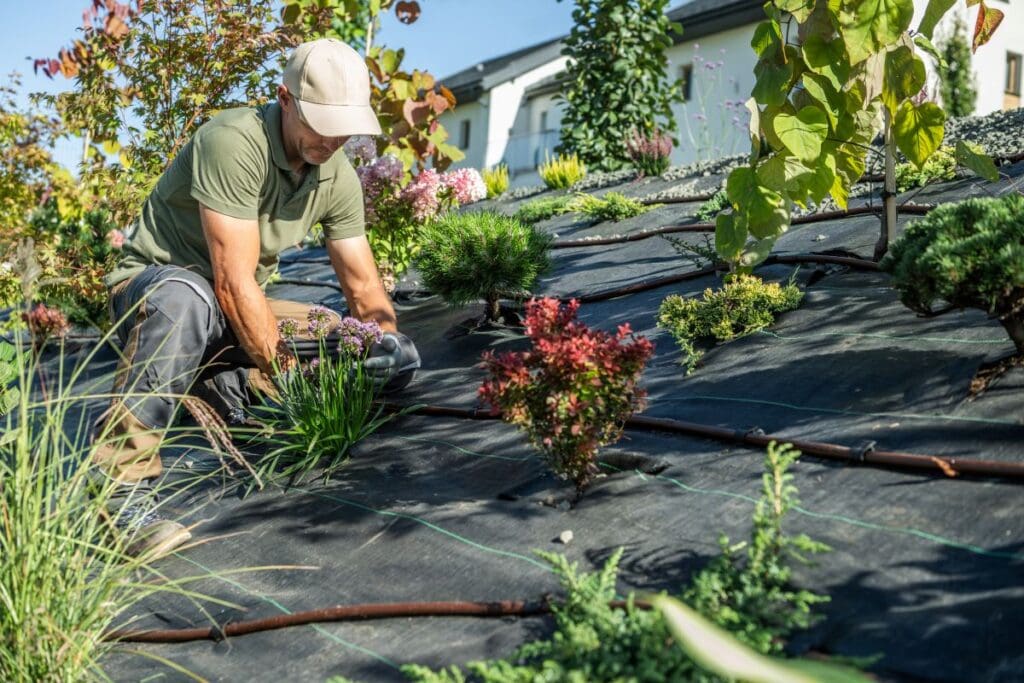
Green roofs represent a significant upfront investment, and that investment only pays off over time if the system remains healthy. Property owners across New York and surrounding areas have increasingly turned to green roofing as both a sustainability strategy and a practical building improvement. The benefits are well documented, but they depend entirely on the roof being maintained correctly.
Here’s why protecting your green roof with consistent upkeep makes financial and practical sense:
- Extended waterproofing membrane life: The growing medium and vegetation layer shield the underlying membrane from UV radiation, temperature extremes, and physical wear. A maintained green roof routinely extends membrane life by 20 to 40 years beyond what a bare membrane would achieve.
- Stormwater management performance: Green roofs are often installed specifically to reduce stormwater runoff and meet municipal requirements. A neglected system with dead vegetation, compacted growing medium, or clogged drainage loses that capacity quickly.
- Energy efficiency gains: Healthy vegetation and a properly performing growing medium provide meaningful insulation value. Deterioration of the plant layer reduces that thermal benefit and increases building energy costs.
- Structural load management: Green roofs are engineered to specific weight tolerances. Unmanaged plant growth, waterlogged growing medium, or debris accumulation can push load beyond those tolerances and create structural risk.
- Property value and compliance: For commercial properties in New York and surrounding areas subject to green infrastructure requirements, a well-maintained green roof supports compliance and preserves the asset value associated with sustainable building certification.
5 Must-Know Green Roof Maintenance Tips
Green roof care is not complicated, but it is specific. Each task has a purpose, and skipping steps creates compounding problems over time. Here are the essential maintenance practices every green roof owner should understand and implement.
1. Inspect and Clear Drainage Components Regularly
Drainage is the most critical functional element of any green roof system. When drains, scuppers, and filter fabric become blocked with root intrusion, sediment, or debris, water backs up into the growing medium. Saturated growing medium becomes significantly heavier than design specifications account for and creates conditions that accelerate root damage to the waterproofing membrane beneath.
- Inspect all drains and outlet points a minimum of twice per year
- Remove any root intrusion from drain assemblies promptly, as roots follow moisture and target outlets
- Check filter fabric layers for sediment buildup that restricts water movement through the profile
2. Manage Vegetation Aggressively and Intentionally
The plant layer on a green roof is not self-managing. Sedum and other specified plants can be overtaken by weeds, self-seeded trees, and aggressive volunteer species that were never part of the design. Woody plants are a particular concern because their root systems are powerful enough to penetrate waterproofing membranes over time.
- Remove all woody volunteer plants, including seedlings, as soon as they appear
- Pull weeds before they establish root systems deep in the growing medium
- Replant bare or failed areas promptly to prevent erosion and growing medium loss
- Avoid introducing plants not specified in the original design without consulting a green roof professional
3. Fertilize According to System Type and Plant Needs
Extensive green roofs with sedum and other low-nutrient plants typically require only light fertilization once or twice per year. Intensive systems with a wider plant palette may have more complex nutritional needs. Over-fertilizing is as problematic as under-fertilizing: excess nutrients accelerate weed growth and can alter the intended plant community.
- Use slow-release, low-phosphorus fertilizers appropriate for rooftop growing conditions
- Apply fertilizer in spring to support growing season establishment and again in early fall if needed
- Avoid fertilizing ahead of heavy rain events, which can wash nutrients into drainage systems
4. Irrigate During Establishment and Drought Periods
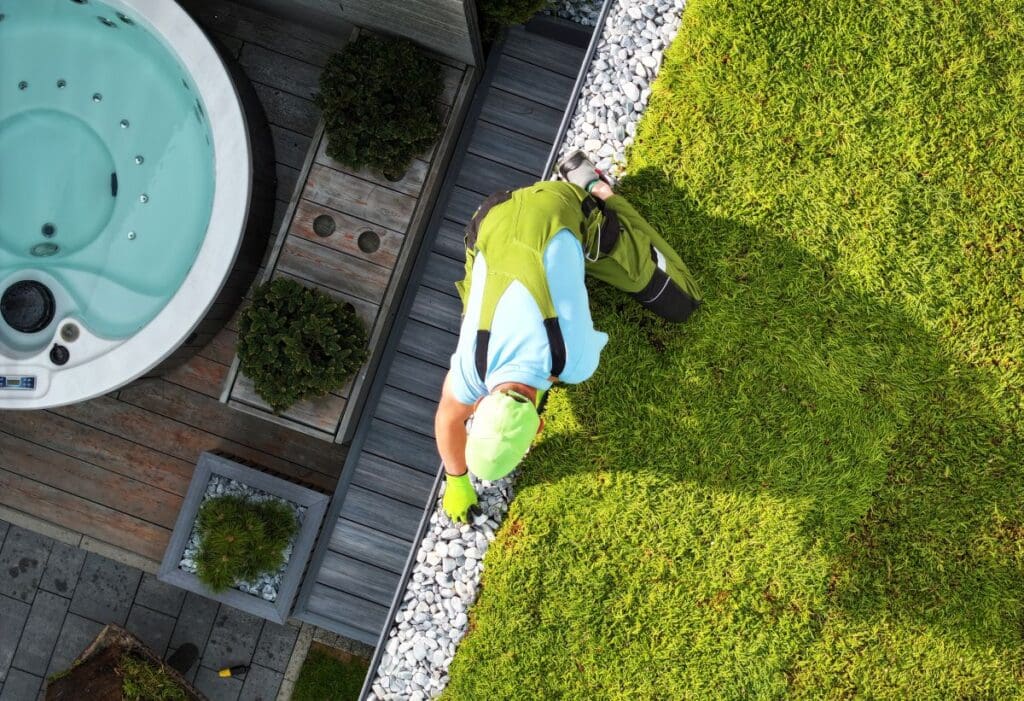
Most extensive green roofs are designed to be self-sustaining under normal rainfall conditions once vegetation is fully established. However, newly installed systems typically require supplemental irrigation during their first one to two growing seasons. Established roofs may also need temporary irrigation during extended drought periods, particularly in summer months.
- Monitor soil moisture during establishment and during any period of two or more weeks without meaningful rainfall
- Avoid overwatering, which encourages weed growth and can oversaturate the growing medium
- For intensive systems with permanent irrigation, inspect emitters and timers as part of routine maintenance
5. Inspect the Waterproofing Membrane at Access Points
The waterproofing membrane is the most important component of any green roof system. While it is largely protected by the growing layers above it, any accessible areas, including around drains, at roof edges, around penetrations, and at expansion joints, should be visually inspected during maintenance visits.
- Look for evidence of membrane displacement, lifting at terminations, or deterioration at exposed edges
- Check root barrier integrity where visible, especially around drain assemblies
- Any suspected membrane damage should be escalated to a professional roofing contractor immediately, not monitored and deferred
Seasonal Green Roof Care in the Northeast
Climate plays a direct role in green roof maintenance timing and priorities. Property owners in New York and surrounding areas are working with a climate that delivers genuine seasonal extremes, and each season brings a different set of maintenance priorities.
Spring
Spring is the highest-priority maintenance window of the year. After months of freeze-thaw cycling, snow load, and winter dormancy, the roof needs a thorough assessment before the growing season begins.
- Clear all drains and outlets of any debris or sediment that accumulated over winter
- Assess plant coverage and identify areas that need replanting after winter loss
- Apply spring fertilizer to support new growth establishment
- Inspect membrane at accessible points for any movement or damage from freeze-thaw stress
Summer
Summer maintenance is primarily about monitoring. Established extensive roofs generally need minimal intervention, but drought conditions can stress vegetation and create bare spots that invite weed establishment.
- Monitor moisture levels during extended dry periods and irrigate if necessary
- Pull any weeds before they set seed and spread across the growing medium
- Check that drainage components are clear after heavy summer rain events
Fall
Fall maintenance prepares the system for winter and is the second most important service window of the year. For commercial green roofs across New York and surrounding areas, this visit is especially important given the snow and ice loads the system will carry in coming months.
- Complete a thorough drain clearing before leaf drop peaks
- Remove any woody volunteer plants before winter makes access more difficult
- Apply fall fertilizer if the plant community benefits from it
- Document overall system condition with photos before the growing season ends
Winter
Active maintenance during winter is generally limited for most green roofs, but winter is not entirely maintenance-free. Snow removal may be necessary if accumulation exceeds the structural design load, and ice damming at drainage outlets should be addressed if it occurs.
How to Evaluate a Green Roof Maintenance Contractor
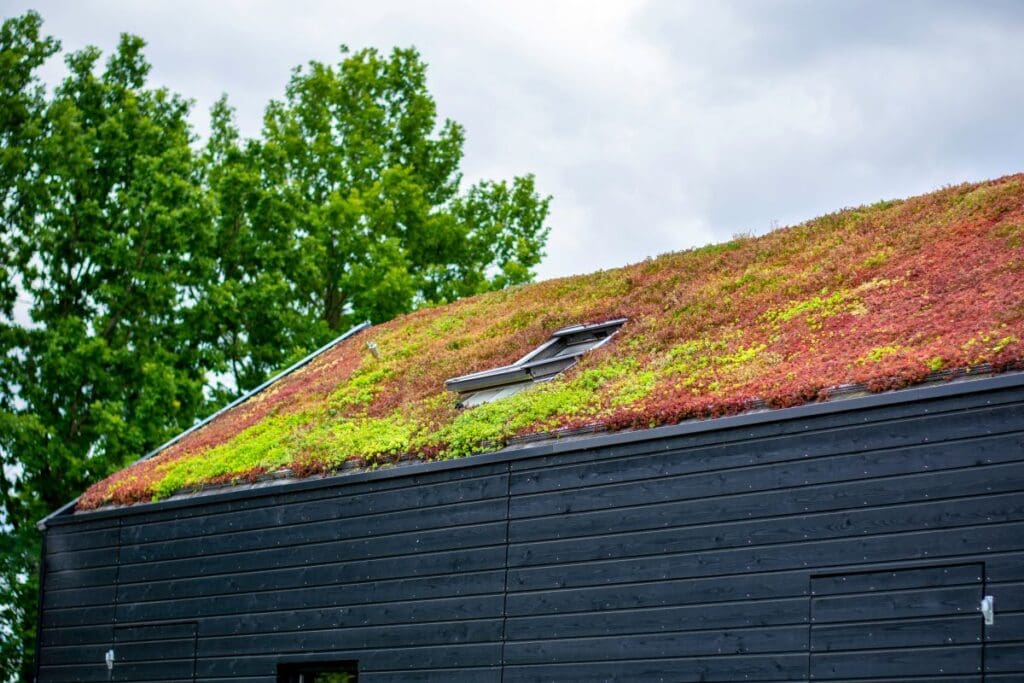
Not every commercial roofing contractor has the experience to maintain a green roof system correctly. Green roofs combine horticultural knowledge with waterproofing expertise, and the contractor you choose needs competence in both areas.
| What to Evaluate | Why It Matters |
| Green roof-specific experience | Standard roofing maintenance protocols do not transfer directly to green roof systems |
| Knowledge of your system type | Extensive and intensive systems have different maintenance requirements |
| Waterproofing expertise | Membrane inspection and protection require roofing credentials, not just horticultural skills |
| Documented maintenance reporting | You need written records for warranty compliance and long-term system management |
| Familiarity with local climate | Contractors working in New York and surrounding areas understand freeze-thaw stress, regional plant performance, and seasonal timing |
When interviewing potential contractors, ask specifically about their experience with your system’s waterproofing membrane brand and their protocol for membrane inspection during vegetation maintenance visits. A contractor who treats green roof maintenance as purely a landscaping task is not the right partner for a system where the roofing layer is what ultimately protects your building.
Start Your Green Roof Care Plan Today
A green roof that is well maintained is one of the most durable and high-performing building systems available. One that is neglected becomes a liability faster than most property owners expect. The difference between those two outcomes is consistent, professional care applied at the right times and with the right expertise.
Weathertite Solutions serves commercial property owners across New York and surrounding areas with the roofing knowledge and hands-on experience that green roof systems require. Whether your system is newly installed or has been in place for years without a formal care plan, the right time to get ahead of maintenance is now. Contact us today to discuss your green roof and build a maintenance approach that keeps it performing for decades to come.