
Most commercial roof failures don’t happen overnight. They build slowly through missed inspections, ignored minor damage, and deferred upkeep, until what could have been a simple fix turns into a five-figure emergency. Investing in commercial roof preventative maintenance is one of the most cost-effective decisions a property owner or facility manager can make, and keeping your roof on a regular care schedule pays dividends that go well beyond avoiding leaks.
Here’s what you’ll learn in this guide:
- Why a proactive maintenance approach consistently outperforms reactive repairs financially
- The specific ways a maintenance plan puts money back in your budget
- What a professional maintenance visit actually covers
- How to build a maintenance schedule that fits your building and climate
- What to look for when selecting a commercial roofing contractor for ongoing care
The Real Cost of Skipping Roof Maintenance
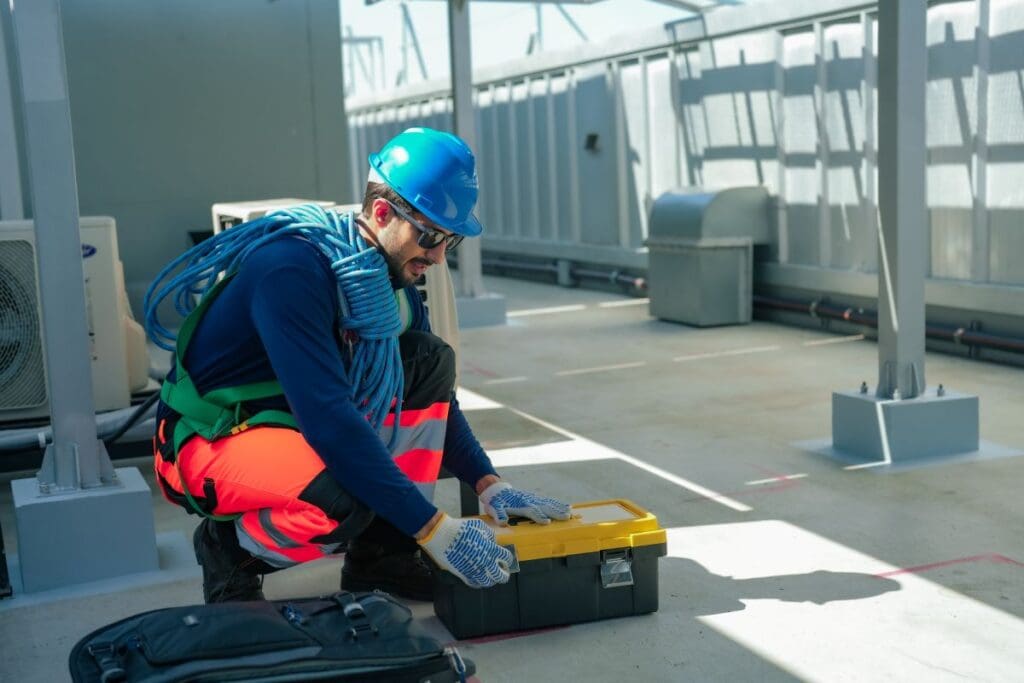
A commercial roof is one of the largest capital investments in any building. For property owners across Pennsylvania and surrounding areas, that investment can range from tens of thousands to hundreds of thousands of dollars depending on building size and system type. Skipping maintenance doesn’t save money in any real sense. It simply shifts costs forward while adding interest in the form of more extensive damage.
Studies across the commercial roofing industry consistently show that proactive maintenance programs cost significantly less over a roof’s lifetime than reactive repair strategies. Here’s why that math works in your favor:
- Avoided emergency repair premiums: Emergency roofing calls typically carry higher labor costs and faster material procurement markups. Scheduled maintenance eliminates most of those situations entirely.
- Extended roof lifespan: A properly maintained commercial roof often outlasts its projected service life, which pushes full replacement costs further into the future.
- Preserved warranty coverage: Most manufacturer warranties require documented maintenance at specified intervals. Failing to maintain the roof can void coverage, leaving you fully exposed to repair and replacement costs.
- Lower energy expenses: A deteriorating roof membrane and compromised insulation cause heating and cooling inefficiencies. Maintenance keeps building envelope performance where it should be.
- Reduced liability exposure: A roof in poor condition creates risk. Water intrusion can damage inventory, equipment, and interior finishes while creating slip hazards that generate liability claims.
7 Ways Preventative Maintenance Saves Money
The financial case for commercial roof preventative maintenance is clearest when you look at specific, concrete savings categories. Each one adds up, and together they represent a compelling reason to prioritize your roof program this year.
1. Early Detection Prevents Minor Issues from Becoming Major Repairs
A small membrane crack, a slightly lifted flashing edge, or a partially clogged drain are each inexpensive to address during a routine maintenance visit. Left unattended through a full wet season or a harsh winter, each of those issues can compromise the surrounding roof system and lead to repairs that cost ten to twenty times more than the original problem.
- Routine inspection catches surface blistering before moisture enters the membrane
- Loose flashing is resealed before wind lifts it and opens the roof edge
- Drain clearing prevents ponding water and the structural stress it creates
2. Maintenance Logs Support Insurance Claims and Warranty Disputes
When a significant roofing event occurs, your documentation matters. Property insurers and roofing material manufacturers both look at maintenance history when evaluating claims. A roof with a clean, consistent maintenance record is far easier to advocate for than one with no service history at all.
- Dated inspection reports establish a clear baseline of roof condition over time
- Records of repairs completed demonstrate good-faith stewardship of the building asset
- Warranty claims are more likely to be honored when maintenance requirements have been met
3. Drainage System Upkeep Protects the Entire Roof Assembly
Flat and low-slope commercial roofs depend entirely on proper drainage. When drains, scuppers, and gutters become clogged with debris, water backs up and sits. Ponding water is one of the leading contributors to premature commercial roof failure because it accelerates membrane breakdown, adds structural load, and creates freeze-thaw damage during winter.
- Drain clearing is a standard component of every professional maintenance visit
- Secondary drainage systems are checked to ensure they function as backup if primary drains fail
- Proper drainage preserves insulation R-value by keeping moisture out of the roof assembly
4. Seam and Flashing Maintenance Stops the Most Common Leak Sources
The field membrane on a commercial roof is generally the most durable part of the system. Seams and flashings, where the membrane transitions around penetrations, parapet walls, curbs, and drains, are where most leaks originate. Keeping those areas in good condition through regular maintenance directly targets the highest-risk zones on the roof.
- Seam inspections identify areas where adhesion is weakening before separation occurs
- Flashing around HVAC units, skylights, and vent pipes is resealed as needed
- Edge terminations are checked to ensure the system perimeter is tight and secure
5. Seasonal Preparation Reduces Weather-Related Emergency Calls
Commercial buildings across Pennsylvania and surrounding areas face weather extremes that put consistent stress on roofing systems. Late fall maintenance prepares the roof for snow load, ice, and freeze-thaw cycling. Spring maintenance addresses whatever the winter left behind. This seasonal rhythm keeps the roof ready for what’s coming rather than recovering from what just happened.
- Pre-winter maintenance includes clearing drains, reinforcing seams, and checking insulation integrity
- Post-winter inspections identify any membrane cracking or flashing movement caused by thermal stress
- Proactive preparation cuts emergency call volume dramatically for well-maintained buildings
6. Roof Coatings and Surface Treatments Extend System Life Without Full Replacement
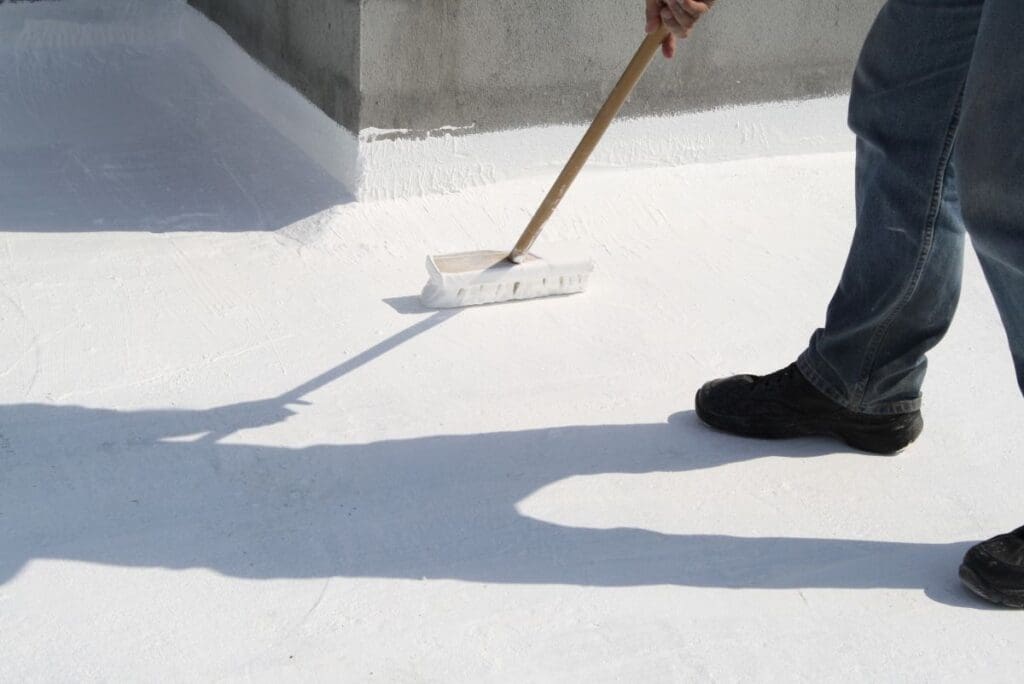
One of the highest-value tools in a commercial roof preventative maintenance program is the strategic use of roof coatings. Applied to a membrane that is structurally sound but showing surface wear, a reflective or elastomeric coating can add years to the system’s service life at a fraction of full replacement cost.
- Reflective coatings reduce UV degradation and cut cooling loads in summer months
- Elastomeric coatings seal minor surface cracking and restore waterproofing performance
- Coating application is far less disruptive to building operations than tear-off and replacement
7. Budgeting Becomes More Predictable With a Maintenance Plan
One of the less discussed financial benefits of commercial roof preventative maintenance is what it does to your capital planning. Emergency repairs are, by definition, unplanned expenses. A structured maintenance program converts unpredictable emergency costs into a known, scheduled line item that can be budgeted accurately year over year.
- Facility managers can forecast maintenance costs with confidence rather than scrambling for emergency funds
- Planned replacement timelines become clearer as maintenance records document aging patterns
- Board-level and ownership-level reporting is easier when roof expenditures are consistent and documented
What a Professional Maintenance Visit Covers
Understanding what actually happens during a professional commercial roof maintenance visit helps facility managers set expectations and evaluate service providers accurately. A thorough visit is not a quick visual walk-around. It is a systematic evaluation and service call that addresses both current conditions and potential vulnerabilities.
Surface Inspection
The technician examines the entire roof membrane for signs of blistering, cracking, alligatoring, granule loss, or punctures. Problem areas are documented with photos and mapped to a roof diagram for future reference.
Flashing and Penetration Review
Every penetration point is checked individually. This includes HVAC curbs, pipe boots, drain collars, skylights, parapet caps, and any other location where the membrane terminates or transitions. Loose, cracked, or separated flashing is resealed during the visit where conditions allow.
Drainage Clearing and Testing
All primary and secondary drains, scuppers, and gutters are cleared of debris and tested to confirm they flow freely. Standing water from recent rainfall is noted and the cause is investigated.
Minor Repairs on the Spot
Most professional maintenance programs include a defined scope of minor repairs that are completed during the visit rather than scheduled as a separate service call. This typically covers small seam repairs, minor flashing resealing, and surface patching of isolated damage.
Condition Report and Recommendations
At the close of the visit, you receive a documented condition report. This report outlines current roof health, any areas of concern, recommended follow-up work, and a general assessment of remaining service life. It becomes part of your maintenance record going forward.
Building a Maintenance Schedule That Works for Your Property
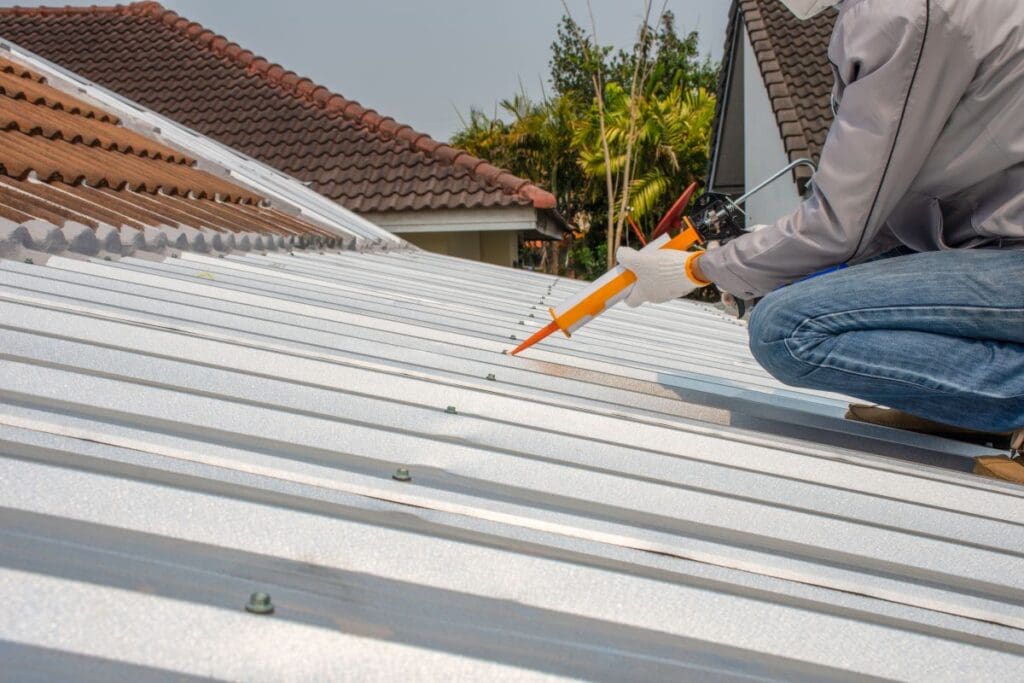
Not every commercial property has identical maintenance needs. The right schedule depends on roof type, building age, occupant sensitivity, and local climate conditions. That said, there are baseline recommendations that apply across most commercial buildings.
- Twice-Annual Inspections as a Foundation: Most commercial roofing professionals recommend a minimum of two scheduled maintenance visits per year. One in the spring to assess winter damage and prepare for summer heat, and one in the fall to clear drains and reinforce vulnerable areas before cold weather arrives. For buildings in New York and surrounding areas with significant seasonal weather variation, this cadence is a practical minimum rather than an aggressive one.
- Post-Storm Follow-Up Visits: High-wind events, hail, and major rain storms can cause damage that is not immediately obvious from inside the building. Scheduling a roof check after any significant weather event catches storm damage while it’s fresh and before it’s compounded by the next round of weather.
- Higher Frequency for Aging Systems: A commercial roof in its final years of service life warrants more attention, not less. Quarterly inspections for a roof approaching replacement age help you manage the transition strategically, catching failures before they become emergencies and building a documented case for the capital expenditure when replacement becomes necessary.
- Rooftop Traffic Awareness: Buildings with rooftop mechanical equipment see more foot traffic than those without. HVAC technicians, communications installers, and other trades access the roof regularly, and every visit creates wear risk. Coordinating maintenance visits to check for trade-related damage, and installing walk pads in high-traffic zones, reduces the cumulative impact on the membrane over time. This is a straightforward and often overlooked element of a complete maintenance strategy for commercial properties across Pennsylvania and surrounding areas.
Protecting Your Roof Starts With a Phone Call
A deteriorating commercial roof doesn’t announce itself with urgency until it’s already causing expensive problems. The good news is that the solution is genuinely straightforward: put your roof on a professional maintenance schedule and stay ahead of the problems that drain budgets and disrupt operations.
Weathertite Solutions works with commercial property owners and facility managers across Pennsylvania and surrounding areas to build maintenance programs that match each building’s specific needs, roof type, and service history. The investment is modest. The return is a roof that performs reliably, lasts longer, and never catches you off guard. Contact us today to schedule your first maintenance visit and find out exactly where your roof stands.