
Two asphalt-based products often get lumped together, yet they serve very different purposes. One is a multi-layer commercial system built to protect large buildings for decades, while the other is a lightweight, budget-friendly covering meant for simpler jobs. Understanding modified bitumen vs roll roofing helps property owners avoid choosing a material that cannot handle the demands placed on it. If you are planning work on a flat or low-slope building, exploring the commercial roofing options available is a practical place to start.
Here’s what you’ll learn in this guide:
- How modified bitumen and roll roofing differ in construction and materials
- Six major differences in durability, application, cost, and performance
- Which type of building and roof suits each product
- How maintenance, repairs, and warranties compare
- What to ask a contractor before committing to either system
Why This Comparison Matters for Your Building
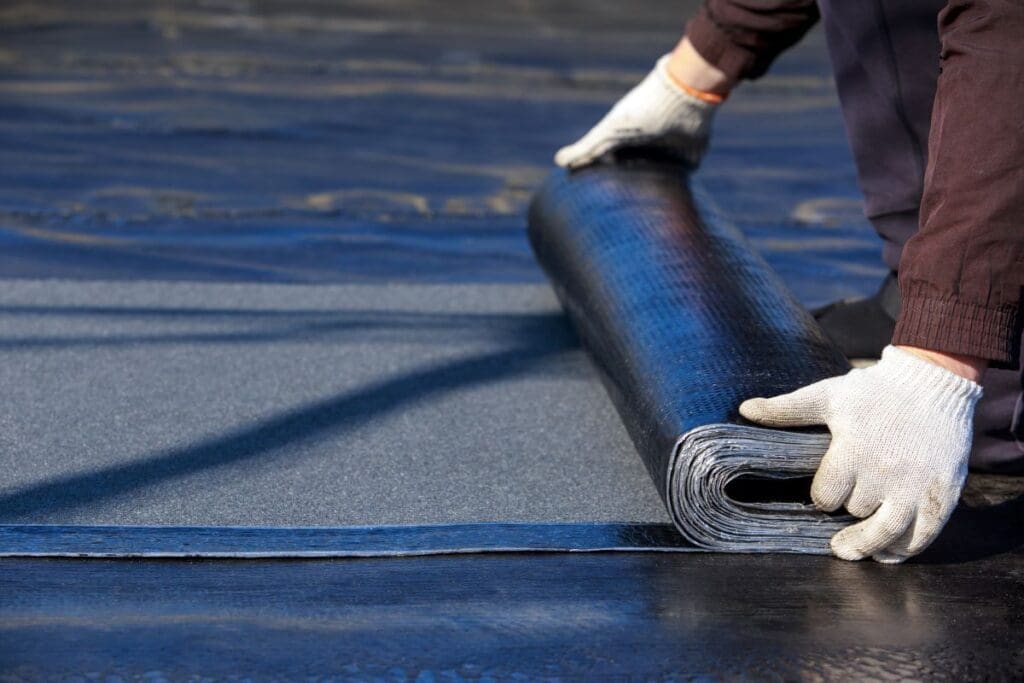
Both products start with asphalt and both arrive in rolls, so it is easy to assume they perform alike. They do not. The differences in reinforcement, thickness, and installation method lead to very different lifespans and levels of protection. Across New York and surrounding areas, commercial roofs face heavy snow, freeze-thaw cycling, and humid summers, and the wrong material can fail years ahead of schedule.
Making the right call early protects your budget and your building. A roof that is under-specified for its use tends to leak sooner, cost more to repair, and require replacement long before the owner expected, which erases any savings from the lower purchase price.
- Longer service life: Matching the material to the building’s demands is the single biggest factor in how many years a roof delivers before replacement.
- Fewer leaks and repairs: Heavier, multi-layer systems provide redundancy that single-layer coverings cannot offer.
- Lower lifecycle cost: A higher upfront investment often costs less per year of service than a cheaper material that wears out quickly.
- Better weather protection: Commercial buildings need membranes engineered for wind, ponding water, and thermal movement.
- Warranty and code alignment: Using a product designed for the application helps maintain coverage and meet local requirements.
6 Major Differences Between Modified Bitumen and Roll Roofing
The comparison comes down to six factors. Looking at each one in the context of your own building will make the right choice much clearer.
1. Composition and Construction
Modified bitumen is asphalt blended with polymers, typically APP (atactic polypropylene) or SBS (styrene-butadiene-styrene), and reinforced with fiberglass or polyester. It is commonly installed in two or more plies, with a cap sheet on top for added protection. Roll roofing is a single layer of asphalt-saturated mat topped with mineral granules, and it is far thinner and lighter.
- Polymer modification gives modified bitumen flexibility and resilience to temperature swings
- Multi-ply construction creates built-in redundancy against leaks
- Roll roofing relies on one layer, so any breach is a direct path for water
2. Application Methods
Modified bitumen can be installed by torch application, cold adhesive, hot asphalt, or self-adhering sheets, depending on the product and site conditions. Each method creates a strong, continuous bond across seams. Roll roofing is usually nailed down or attached with roofing cement, which leaves exposed fasteners or thinner adhesive bonds at the laps.
- Fully adhered or welded seams on modified bitumen resist water and wind uplift
- Exposed nails on roll roofing create many small penetrations that can leak over time
- Installation of modified bitumen requires trained crews, especially for torch-applied systems
3. Durability and Lifespan
This is where the gap is widest. A properly installed modified bitumen system on a commercial building commonly lasts 15 to 25 years, and sometimes longer with good maintenance. Roll roofing is often expected to last roughly five to ten years, depending on slope, exposure, and installation quality.
- Thicker, reinforced membranes handle foot traffic and impact better
- Roll roofing granules wear away faster, exposing the asphalt to sun
- Regular maintenance can extend the life of either product, but cannot close the gap entirely
4. Slope and Drainage Suitability
Modified bitumen is designed for low-slope and flat commercial roofs and handles occasional ponding better than thin coverings, provided drainage is addressed. Roll roofing generally needs at least a modest slope to shed water effectively, and manufacturers specify minimum pitches that vary by product. Always confirm requirements with the manufacturer before installation.
- Flat roofs with limited drainage need a robust membrane and good slope design
- Roll roofing laps can allow water to back up under them on very low slopes
- Tapered insulation can improve drainage on modified bitumen systems
5. Weather and Thermal Resistance
Seasonal swings put constant stress on roofing. Modified bitumen is formulated to stay flexible in cold weather and resist cracking in heat, and cap sheets with granules or reflective coatings shield the layers below from UV exposure. Thin roll roofing is more prone to curling, cracking, and granule loss after repeated temperature cycles.
- Freeze-thaw cycles in New York and surrounding areas are especially hard on thin materials
- Reflective coatings can be added to modified bitumen to reduce rooftop heat
- Wind can lift or tear roll roofing at edges and laps if fastening fails
6. Cost and Long-Term Value
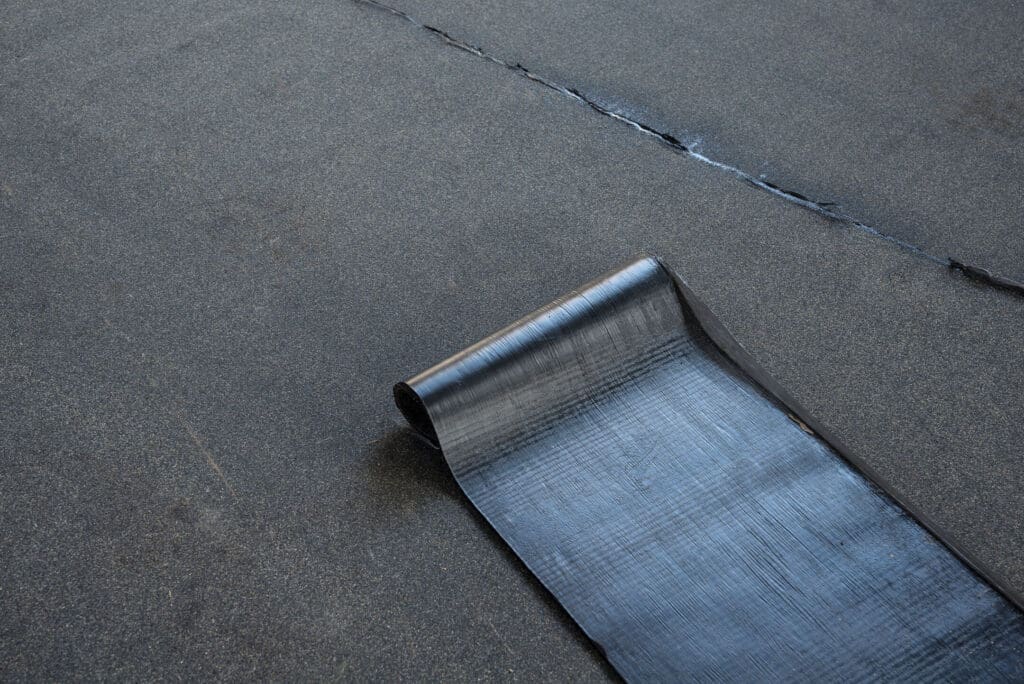
Roll roofing wins on upfront price. It is inexpensive and quick to install, which is why it appears on sheds, outbuildings, and temporary structures. Modified bitumen costs more to install, but its longer lifespan and lower repair frequency generally make it the better value for a commercial property.
- Compare cost per year of expected service life, not just the installed price
- Frequent repairs and early replacement can erase the savings from cheaper material
- For occupied commercial buildings, leak damage inside costs far more than the roof itself
Choosing the Right Product for Your Property
The best material depends on what the building does and how long you need the roof to last. A simple, honest look at your property usually makes the answer obvious.
When Modified Bitumen Is the Right Choice
Modified bitumen suits any commercial or institutional building where reliability matters. It performs well on warehouses, retail centers, offices, schools, and multi-unit properties with flat or low-slope roofs, especially where rooftop equipment brings regular foot traffic.
- Occupied buildings where a leak would disrupt operations or damage contents
- Roofs with HVAC units, vents, and penetrations that need strong flashing details
- Owners who want a documented warranty and a predictable maintenance plan
When Roll Roofing Might Be Acceptable
Roll roofing has a limited place in commercial work. It can make sense for storage sheds, detached garages, temporary structures, or low-value outbuildings where a short service life is acceptable and the budget is tight.
- Non-occupied structures with low consequences if the roof leaks
- Short-term solutions while a larger project is being planned
- Secondary buildings where appearance and longevity are not priorities
Climate Considerations in the Northeast
Weather influences every roofing decision. Buildings in New York and surrounding areas deal with snow loads, ice dams, driving rain, and wide temperature swings, all of which reward a flexible, multi-layer membrane. Choosing a system built for those conditions reduces emergency repairs and extends the time between replacements.
Maintenance, Repairs, and Warranties
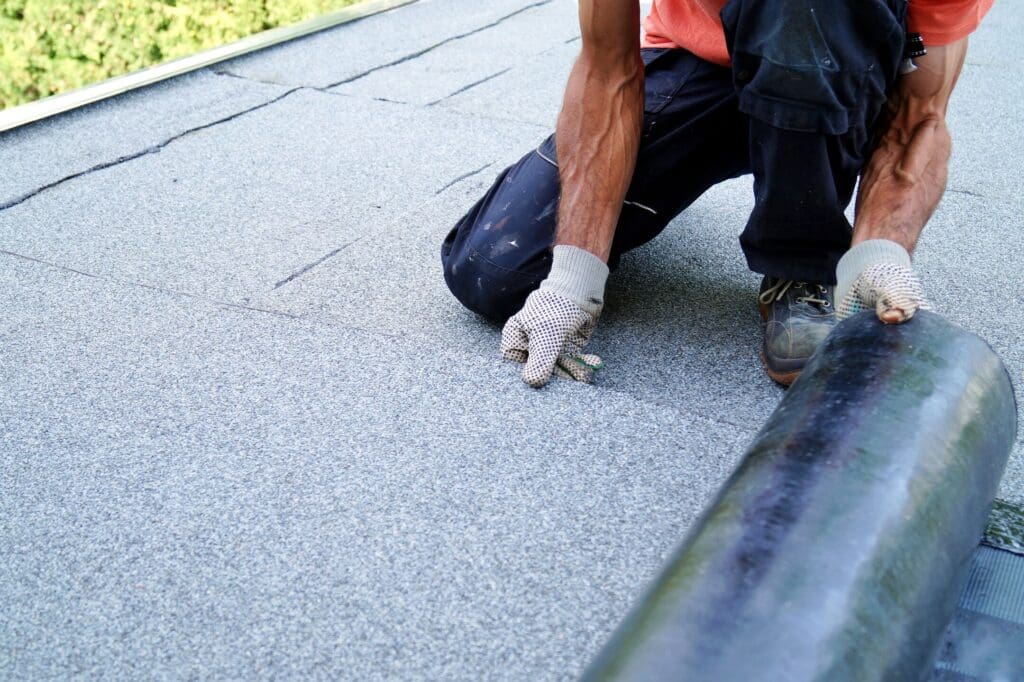
How a roof ages depends heavily on how it is cared for. Both materials need attention, but their repair needs and warranty options look very different.
Side-by-Side Comparison
| Factor | Modified Bitumen | Roll Roofing |
| Construction | Polymer-modified asphalt, reinforced, often multi-ply | Single-layer asphalt-saturated mat with granules |
| Typical lifespan | Roughly 15 to 25 years | Roughly 5 to 10 years |
| Installation | Torch, cold adhesive, hot asphalt, or self-adhering | Nailed or cemented |
| Best for | Commercial and institutional low-slope roofs | Sheds, outbuildings, temporary use |
| Seam reliability | Strong, continuous seams | Laps and nails can be weak points |
| Upfront cost | Moderate to higher | Low |
| Commercial warranty options | Widely available through certified installers | Limited |
Routine Maintenance
Inspect any roof at least twice a year and after major storms. Keep drains clear, check flashings, and look for blisters, cracks, and lifted seams. On modified bitumen, small problems are usually simple to patch with compatible materials.
- Clear debris from drains, gutters, and scuppers
- Look for granule loss, surface cracking, and ponding water
- Photograph and record every inspection for warranty purposes
Repair Realities
Modified bitumen repairs bond well to the existing membrane when done by trained technicians using compatible materials. Roll roofing repairs often involve re-nailing, patching, and re-cementing, which can leave the surface patchy and prone to repeated problems.
Questions Worth Asking a Contractor
- Which system do you recommend for my building and why?
- What application method will be used and how will seams be tested?
- Is the installation backed by a manufacturer warranty?
- How will flashings and penetrations be detailed?
Make the Right Roofing Decision for Your Building
Modified bitumen and roll roofing may look similar on a supply shelf, but they are built for very different jobs. For commercial properties that need durability, weather resistance, and dependable protection, modified bitumen is usually the stronger investment. Roll roofing belongs on simpler structures where a short lifespan is an acceptable tradeoff.
Weathertite Solutions helps commercial property owners across New York and surrounding areas evaluate their roofs honestly and choose systems that fit their building and budget. Whether you are planning a replacement or want a second opinion on a proposal, we will give you a straight answer based on what your roof needs. Contact us today to schedule an inspection and take the guesswork out of your next roofing decision.